

The Second-Generation 911 Dakar Spied in Sweden — How Will the T-Hybrid Transform the “Best Early 992”?
公開日:

コンテンツ
992.2-Based Dakar Spotted in Northern Europe
The 911 Dakar is making a comeback.
In March 2026, a prototype of the new 911 Dakar, believed to be based on the 992.2 generation, was spotted in northern Sweden. It featured a lifted ride height, wide fenders, and off-road tires—visually staying true to the design language of the original Dakar. The front indicators have been integrated into the headlights, marking the key exterior change that confirms it as a 992.2 model. The rear wing was not fixed as in the original but appeared to be a movable type like on regular models, possibly indicating development is still underway.
The biggest question is the powertrain. The new Dakar is expected to adopt the T-Hybrid system found in the late 992 Carrera GTS. It combines a 3.6-liter single turbo with electric assist, producing around 541 horsepower—a roughly 60 hp increase over the original Dakar’s 480 hp. The all-wheel-drive system and PDK transmission are likely to remain unchanged. The interior should feature the digital gauges and updated infotainment system common to the 992.2 generation. It’s expected to go on sale in late 2026 as a 2027 model year.
Riding the “Best Early 992” Dakar: A Personal Experience
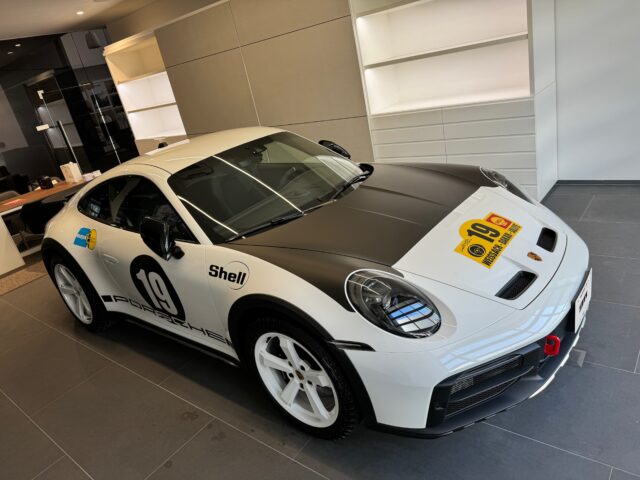
I have a special connection with the first-generation 911 Dakar.
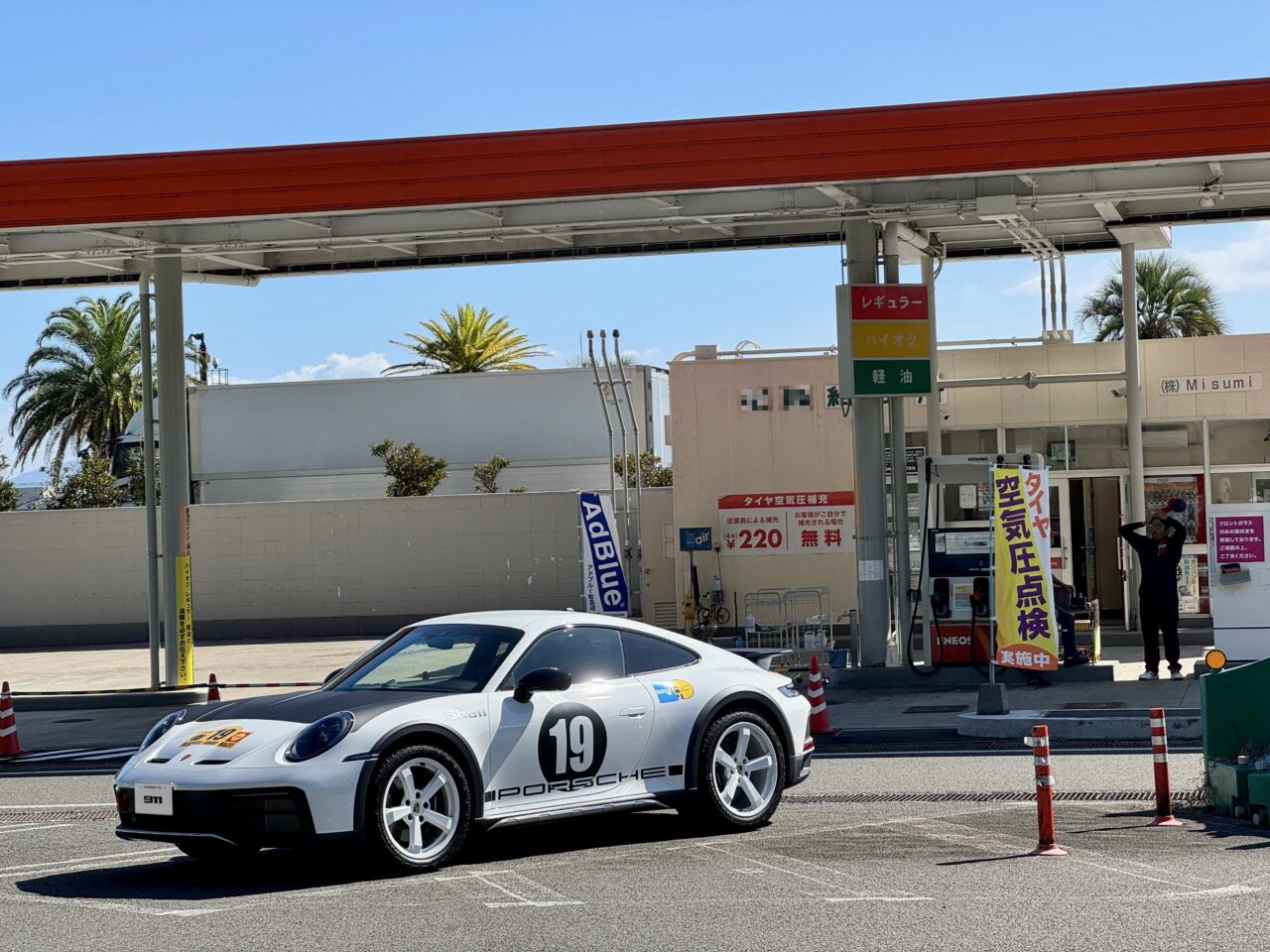
My younger brother owns one, giving me the chance to spend some quality time behind its wheel. Though based on the early 992 Carrera GTS, it’s far easier to drive and offers a more comfortable ride than the GTS. The elevated seating provides excellent visibility, making city driving surprisingly simple. Very few 911s can honestly claim to have a comfortable ride, and one might expect the lift to negatively affect handling, but in daily driving, the car felt composed and relaxed.
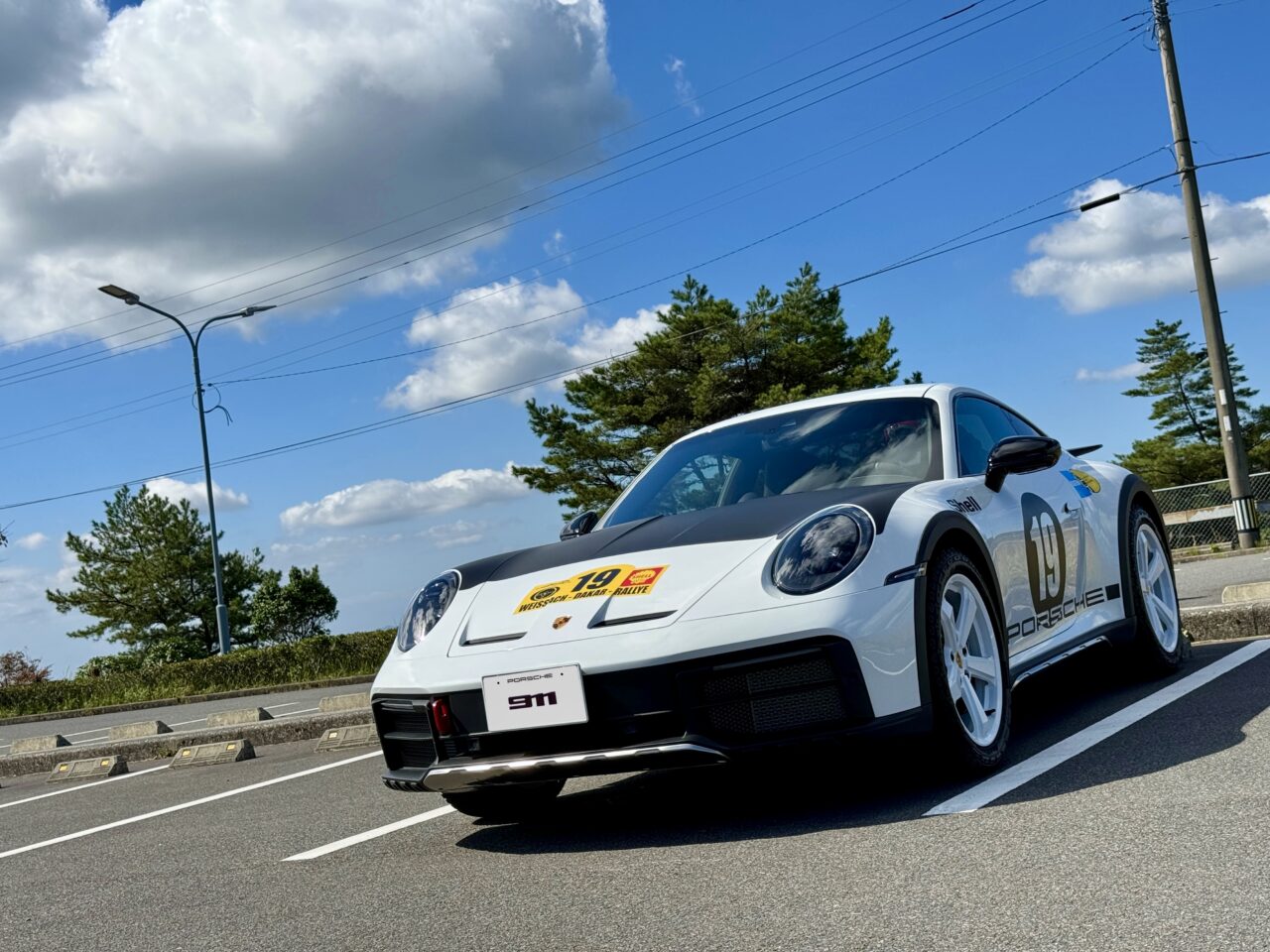
What stood out most was the sound. The exhaust note felt very close to that of the early Carrera T, delivering the exhilarating flat-six soundtrack that rewards you the more you push it. Among early 992 models, I consider the Carrera T and Dakar the “two most fun cars”. The Carrera T offers the joy of mastering a 7-speed manual; the Dakar creates a unique world with surprising daily usability. Both highlight different sides of the early 992’s appeal—distinct from the GTS or Turbo models.
Anticipation and Concerns About the T-Hybrid Dakar
I’m genuinely excited for the second-generation, yet also cautious.
Owners of the late 992 GTS T-Hybrid have shared interesting feedback: “It’s definitely fast, but not as engaging as the early 992,” and “I don’t find the sound appealing.” Indeed, the T-Hybrid uses a single turbo and eliminates the wastegate, while adding particulate filters—resulting in a more subdued exhaust tone compared to the earlier twin-turbo era. Porsche even augments the interior sound with speakers, underscoring how significant the sound deficit is.
Upcoming Euro 7 regulations also loom large, and future emissions standards will likely further muffle exhaust noise. It may be difficult to expect the raw, thrilling exhaust roar reminiscent of that first-generation Carrera T in the second-generation Dakar. On the plus side, the T-Hybrid’s electric turbo reduces lag, boosting throttle response—vital for off-road traction and low-speed control. For a model like the Dakar, this may indeed be a welcome upgrade. However, if the “fun to rev” sensation fades, I’ll find that a bit sad.
Is the “Most Flipped 911” Claim Accurate?
The international media reporting this scoop dubbed the original Dakar “the most flipped 911 Porsche,” prompting me to dig a little.
There are certainly multiple resale cases. In Japan, four examples are currently listed on Car Sensor, all with less than 1,000 km and priced between roughly 45 and 50 million yen. Previously, higher-mileage units (over 30,000 km) appeared for about 30 million yen, indicating strong resale value. Overseas, some have made 6-figure profits selling Dakar units with just 500 miles (800 km) or 909 miles (1,460 km) on the clock. Auction records show a mean sale price around $319,000, well above the original $220,000 to $240,000 price. There are even records of a $550,000 sale early in 2026.
Still, the phrase “most flipped” seems a bit exaggerated. Of the roughly 2,500 units produced, exact numbers of cars traded publicly are unknown. Most owners appear to simply enjoy their cars rather than flipping them. Yes, the potential for profit exists, but that’s not the essence of this special 911.
Limited Editions You Can Actually Drive: Why the Dakar Matters
Lately, Porsche’s limited editions have felt a bit overdone and somewhat exhausting.
Peppita-pattern seats, brown interiors, Heritage Design packages—I appreciate their historical significance and collectible appeal, but what I really seek in a car is one that’s “fun to drive daily.” Not a garage trophy. In that regard, the 911 Dakar remains one of the rare limited edition 911s you can truly use every day.
My memories of riding the original Dakar are vivid: a rare harmony of comfort and excitement that hasn’t faded. I’m curious to see how the T-Hybrid impacts the second generation, and how Porsche plans to address the sound issues. While I have my worries, I’m equally eager. If there’s a limited run again, I’d want to raise my hand this time—not to flip it after a few hundred kilometers but to genuinely drive it on gravel roads and mountain passes. That’s what Dakar means to me.
このブログが気に入ったらフォローしてね!
Comment ( 0 )
Trackbacks are closed.
No comments yet.