

Porsche Q1 2026 Sales: The 911 Surges 22% as Other Models Slide—Do Buyers Still Want Combustion Engines?
Published:

コンテンツ
The 911 Shines in a Difficult First Quarter
Porsche has released its delivery figures for the first quarter of 2026.
The overall picture is challenging. The company delivered 60,991 vehicles worldwide, a 15% drop year over year (Porsche Newsroom). A slump in China, the end of EV tax incentives in the United States, and the 718 lineup’s production shutdown all contributed to the headwinds. But amid the decline, one model stood out: the 911. Porsche delivered 13,889 units, up 22% year over year. In the United States, deliveries reached 3,826—a remarkable 83% increase.
In the end, everyone wants a 911. And they want a car with an engine. I think these Q1 figures make that unmistakably clear.

Porsche Sales by Model: Winners and Losers
The figures are strikingly clear.
Here’s a closer look at Porsche’s Q1 2026 deliveries by model:
- Cayenne: 19,183 units (down 4% year over year)—Porsche’s best-selling model, despite a slight decline
- Macan: 18,209 units (down 23% year over year)—10,130 ICE versions / 8,079 EVs
- 911: 13,889 units (up 22% year over year)—the only model to post an increase
- Panamera: 4,498 units (down 42% year over year)—in a lull ahead of new editions for China
- Taycan: 3,420 units (down 19% year over year)—the electric sedan is also struggling
- 718 Boxster/Cayman: 1,792 units (down 60% year over year)—production ended last October
By region, China recorded 7,519 deliveries, down 21%. North America was down 11% to 18,344 units, while Germany was the only market in positive territory, up 4% to 7,778. The 718’s 60% decline reflects the end of production, but it also means Porsche’s former entry-level sports cars have all but disappeared. The Panamera’s 42% drop is also a painful result, even if it comes during a transition to the next model.
ICE Macan vs. Electric Macan: Combustion Outsells EV by 1.25 to 1
One of the most revealing details in the latest figures is the sales split between the ICE and electric Macan.
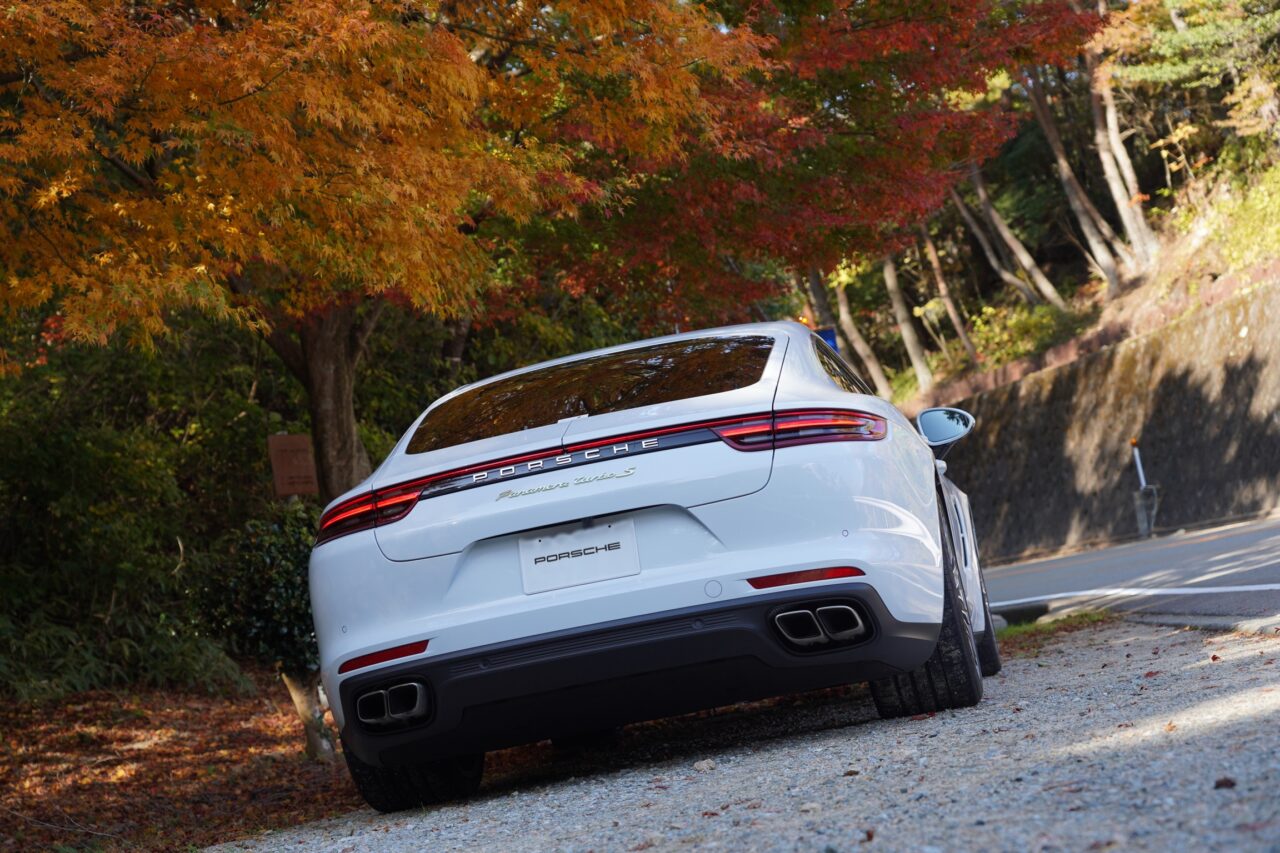
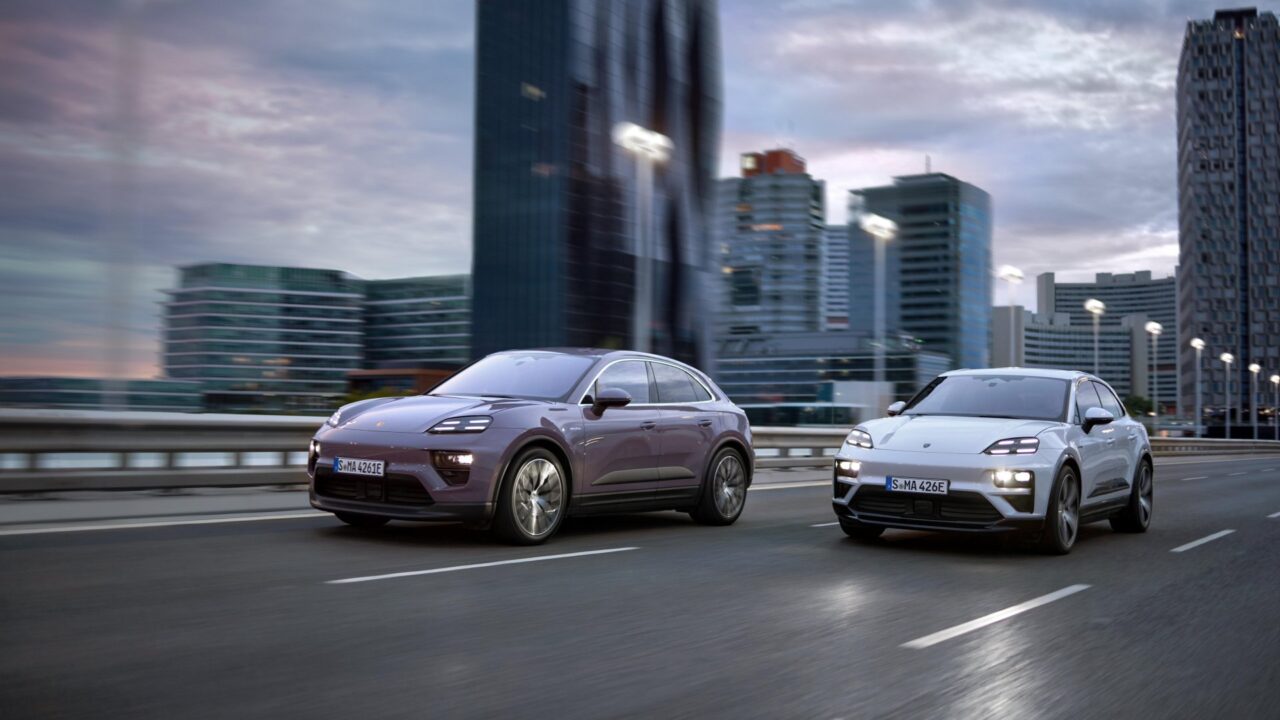
Of the 18,209 Macans delivered, 10,130 were ICE (internal combustion engine) models and 8,079 were EVs. That means the combustion-powered Macan appears to be outselling the EV by about 1.25 to 1. What’s more, Porsche plans to end sales of the ICE Macan this summer, making it a model on its way out. And it’s still outselling the EV. That’s significant.
As someone who drives a Taycan Turbo GT every day, I think Porsche makes excellent EVs. When it comes to chassis performance, the Taycan’s agility with Active Ride suspension can make even the 911 feel like a product of an earlier era. The problem isn’t how EVs drive. It lies elsewhere: disastrous resale values, and a sales approach that left some customers feeling they had to buy an EV to build a purchase history and qualify for limited-edition or special models. That has done serious damage to the image of EVs. A car’s quality and the way a brand sells it are two different things.
Do Buyers Still Want Combustion Engines? And What Lies Beyond Euro 7
There’s no denying the appeal of a Porsche engine’s sound.
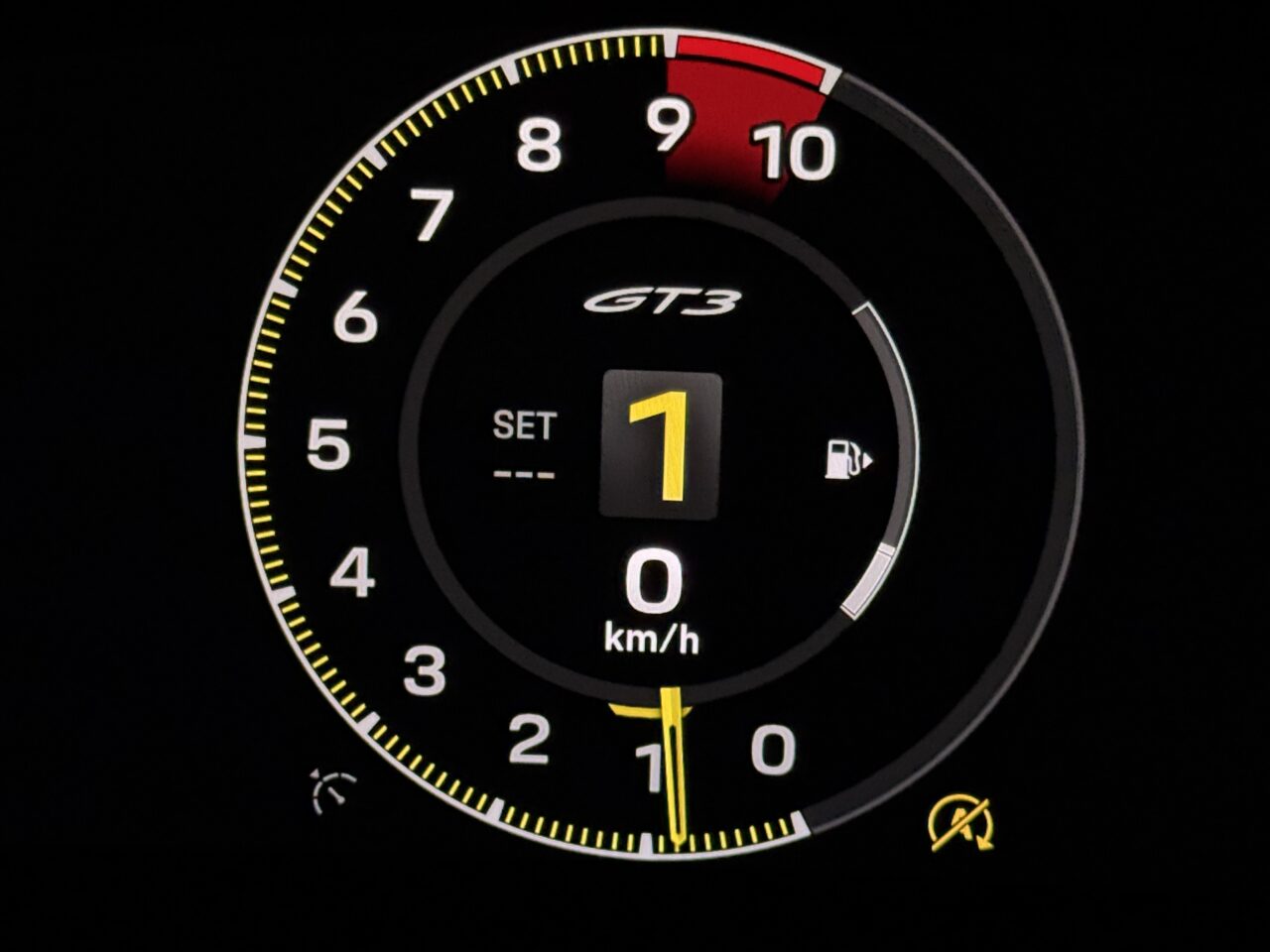
The moment I fire up our 718 Spyder RS, its 4.0-liter naturally aspirated flat-six roars into life just behind me. Hearing that sound makes me realize that the desire for a combustion-engine car is instinctive, not something you arrive at through reason. Porsche itself has reported that the 911’s 22% increase came alongside a higher share of high-performance trims, including GTS, Turbo, and GT models. Buyers want a 911 that’s fast, loud, and thrilling.
But I think the bigger question lies ahead.
As Euro 7 regulations come fully into effect, even the 911’s combustion engine will have to become significantly quieter. In addition to tighter exhaust rules, requirements for OPFs (gasoline particulate filters) will also become more stringent. Today’s raw, raucous exhaust notes are likely to become a thing of the past. When that happens, will buyers who say they want an engine—and a 911—still be satisfied? When the choice is between a quieter combustion car and an EV that’s quiet from the outset but blisteringly fast, what will people choose? That’s what I’ll be watching.
Porsche is caught between combustion engines and EVs. But sales figures don’t lie: at least in Q1 2026, customers overwhelmingly backed the combustion-powered 911. How long will that trend last—and could Euro 7 change the direction of travel? These figures offer a fascinating glimpse into the future of Porsche and sports cars.

If you enjoy this blog, follow along.
Comment ( 0 )
Trackbacks are closed.
No comments yet.