

Porsche 911 GT3 S/C Debuts: The First GT3 Cabriolet, Specs, Price and Features Explained
Published:

コンテンツ
The First GT3 Cabriolet: Meet the 911 GT3 S/C
It’s finally here.
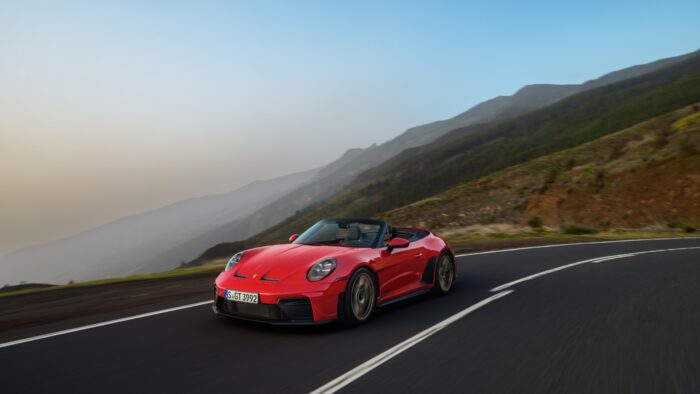
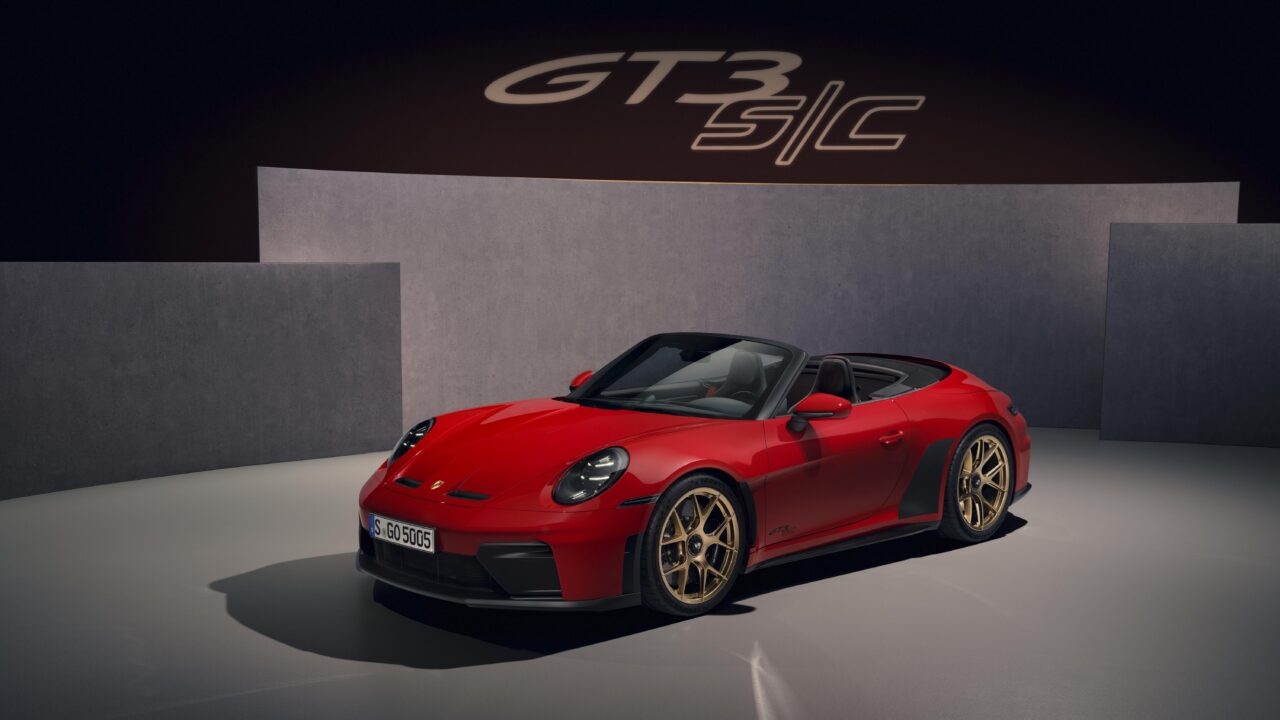
At exactly 11 p.m. Japan time on April 14, 2026, Porsche unveiled the 911 GT3 S/C (Sport Cabriolet) at a digital world premiere. It’s the first Cabriolet in GT3 history. The 991-generation Speedster was offered as a limited edition, but it was a Speedster—not an open-top model bearing the GT3 name. The new GT3 S/C is the first Cabriolet to do just that.
I actually predicted the car’s arrival and its name in my March 1 article, “Could a GT3-Engined 911 Cabriolet Be on the Way? Its Official Name Might Be ‘911 S/C’.” I speculated that S/C might nod to the historic 911 SC, produced from 1978 to 1983—and that’s exactly the name Porsche chose. I’m delighted my prediction came true.
A 4.0-Liter Naturally Aspirated Flat-Six That Revs to 9,000 rpm
At its heart is the same 4.0-liter naturally aspirated flat-six found in the GT3.
But this isn’t just any GT3 engine. It features aggressive camshafts borrowed from the GT3 RS and flow-optimized individual throttle bodies. Maximum output is 375 kW—or 510 horsepower at 9,000 rpm—with peak torque of 450 Nm. Its 9,000-rpm redline is around 1,500 rpm higher than that of turbocharged rivals. The sensation of a naturally aspirated engine pulling smoothly all the way to those revs is something a turbo simply can’t replicate.
I enjoy a closely related 4.0-liter naturally aspirated engine every day in my 718 Spyder RS, so imagining it spinning to 9,000 rpm in the open air is almost too much to bear. Andreas Preuninger, head of GT vehicle development, says the combination of a naturally aspirated engine, dynamic chassis and lightweight construction delivers “driving pleasure like never before.”
Six-Speed Manual Only, with Close Ratios
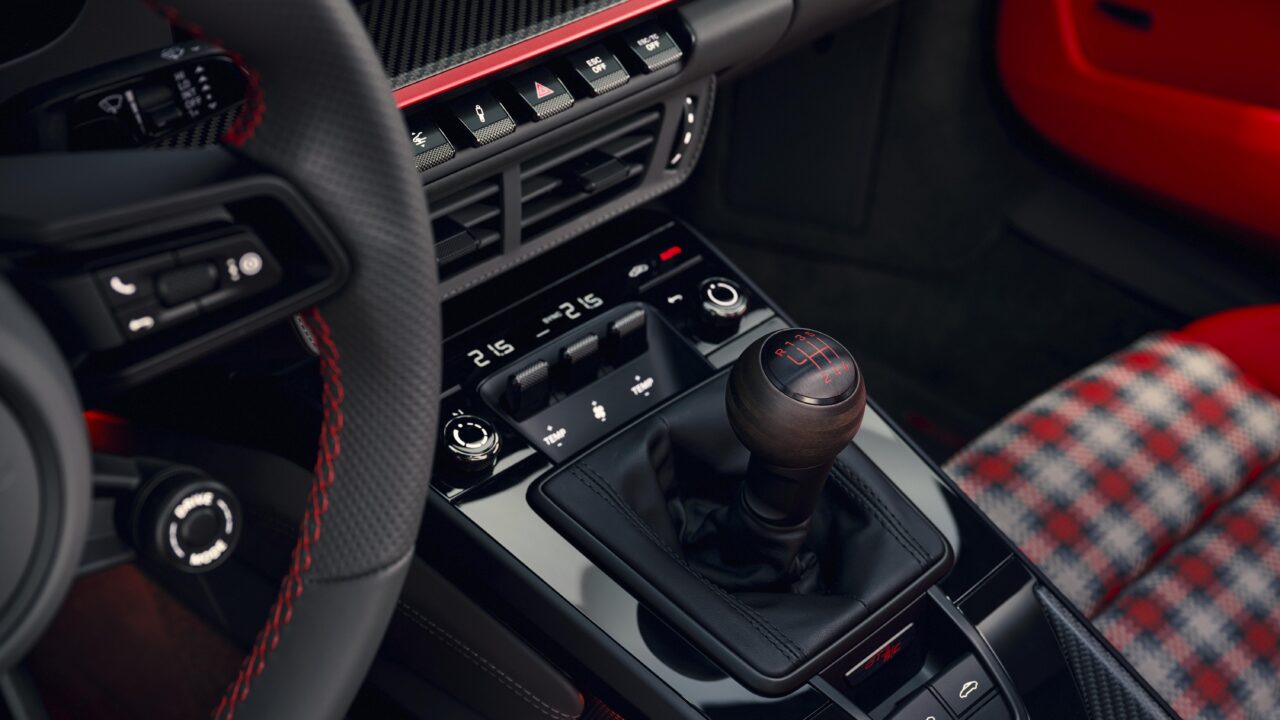
One of the biggest talking points is that the car is available exclusively with a manual transmission.
It gets a six-speed manual sports transmission with close ratios, tuned to deliver a direct, engaging feel on winding roads. There’s no PDK option. A 510-horsepower open-top car, offered exclusively with a six-speed manual in 2026—that alone says a lot about Porsche’s vision for this car.
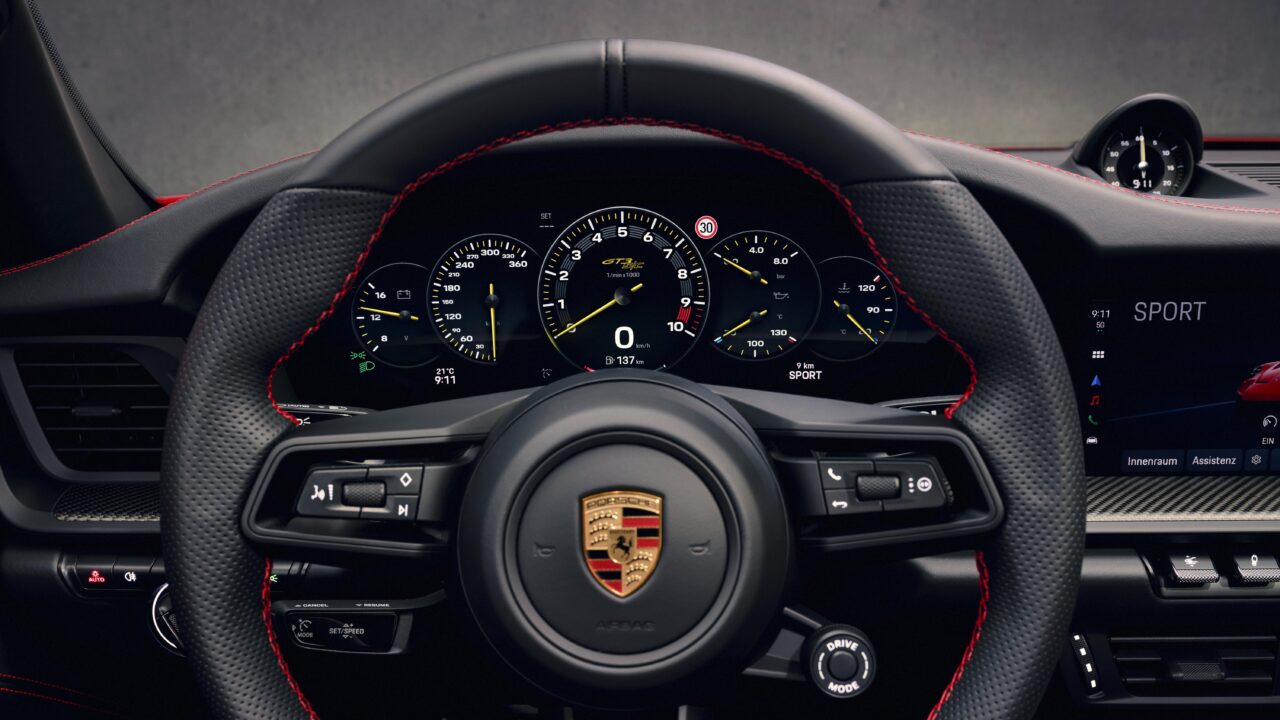
The Japan-spec car accelerates from 0 to 100 km/h in 3.9 seconds. That’s plenty quick for a car offered only with a manual. Top speed is 313 km/h. Few owners will ever use all of that performance in everyday driving, but working the naturally aspirated engine up through the rev range and shifting gears yourself is the whole point.
Carbon Fiber and Magnesium Keep Weight Down to 1,497 kg
Cabriolets are heavy. That’s a fact of life.
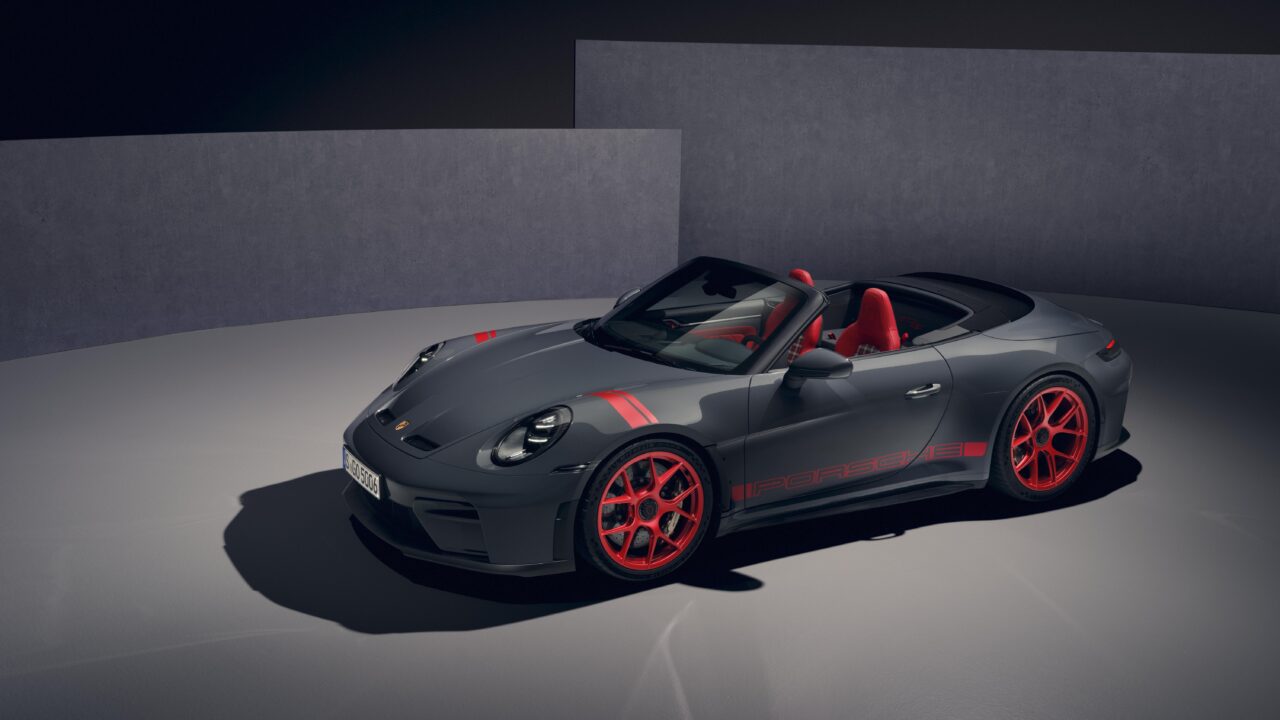
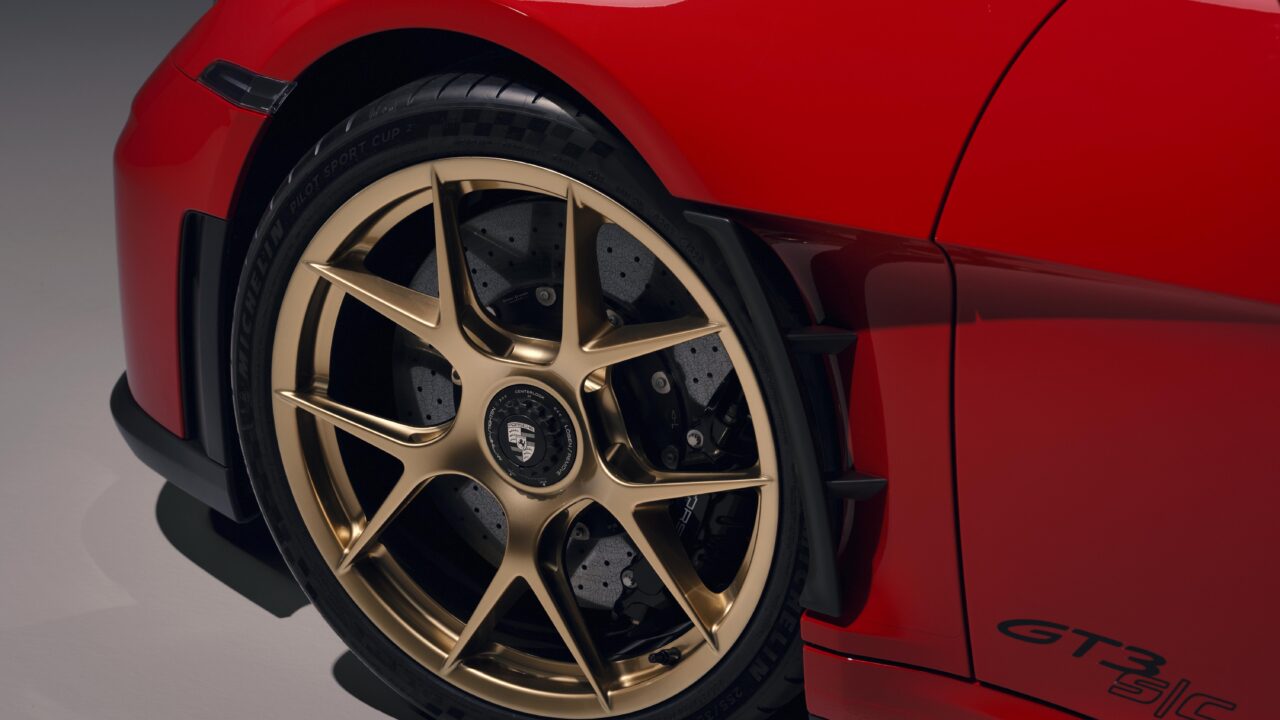
The roof mechanism and additional structural bracing inevitably add weight compared with a coupe. Porsche’s answer is an extensive lightweighting program. Carbon fiber is used for the hood, fenders, doors, anti-roll bars and shear plate. Magnesium features in the center-lock wheels (20 inches up front and 21 inches at the rear), roof ribs, front roof frame and rear window frame.
The battery has also been replaced with a lightweight 40-Ah lithium-ion unit, saving around 4 kg compared with a conventional battery. Porsche Ceramic Composite Brakes (PCCB) are standard and save more than 20 kg compared with cast-iron brakes. My 718 Spyder RS is also equipped with PCCB, and reducing unsprung weight makes a noticeable difference to the way a car drives—especially its agility on winding roads.
The result is a curb weight of 1,497 kg, just 30 kg more than the previous-generation 991 Speedster. That’s an astonishing achievement for a Cabriolet.
GT3 Touring Suspension and a Retractable Rear Spoiler
The chassis is based on the 911 GT3 Touring Package.
Up front, it uses a double-wishbone suspension, tuned with winding-road driving in mind. Its setup takes a different approach from the track-focused GT3 RS, prioritizing the quality of the driving experience on public roads. The tires measure 255/35 ZR20 at the front and 315/30 ZR21 at the rear.
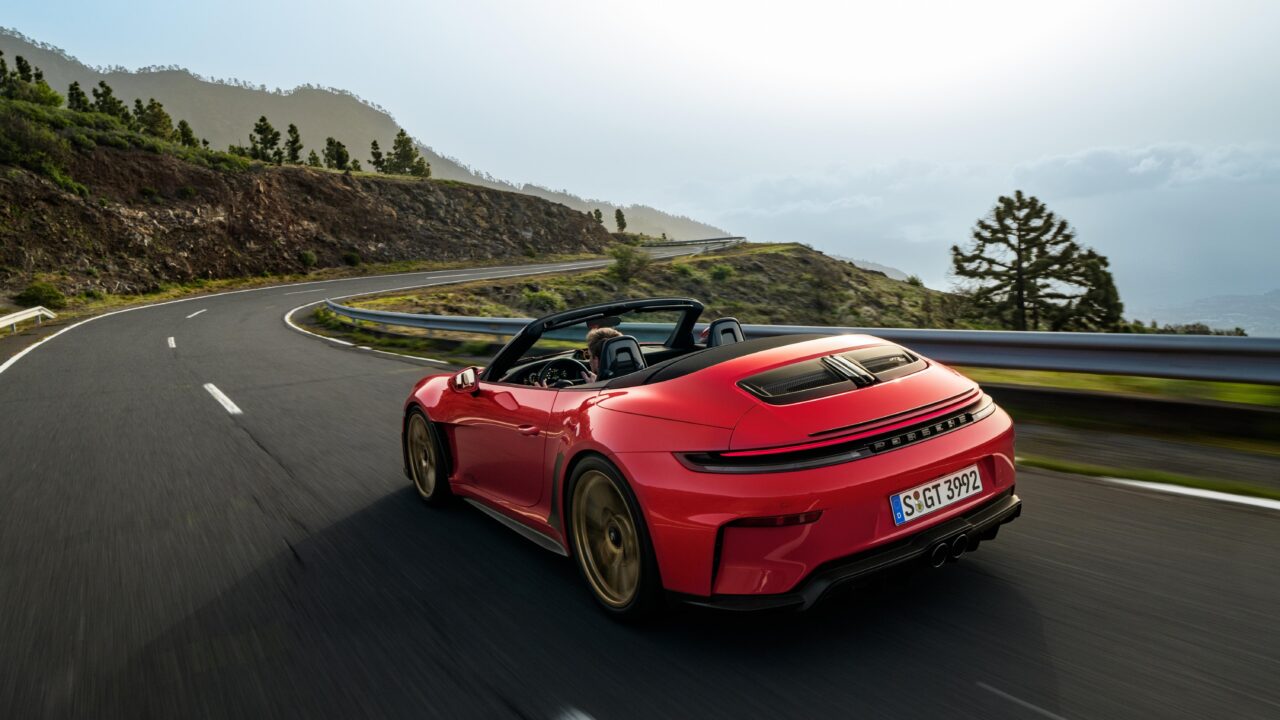
There’s plenty to note about the aerodynamics, too. For the first time on a 911 Cabriolet, a retractable rear spoiler is fitted with a Gurney flap. This aerodynamic feature isn’t found on regular Cabriolets. It’s a practical solution that helps provide high-speed stability while retracting when it isn’t needed. The car also gets Matrix LED headlights. Its power-operated roof opens or closes in around 12 seconds and can be used while driving at speeds of up to 50 km/h. The wind deflector is effective at speeds of up to 120 km/h.
Not a Limited Edition: A Regular Production Model Priced at ¥38.43 Million in Japan
For me, the biggest news is that this is not a limited-edition model.
The 991-generation Speedster was limited to 1,948 units. The GT3 S/C, by contrast, will be a regular production model in Porsche’s lineup. In other words, it won’t come with the kind of restrictions that can make a limited-edition car available only to specially selected customers. That said, I imagine it’ll still be difficult for a first-time buyer to get one.
The price in Japan is ¥38.43 million. That’s about ¥10 million more than the GT3 coupe, which starts at around ¥28.14 million. But given the extensive use of carbon fiber, standard PCCB and the lithium-ion battery, the price seems reasonable.
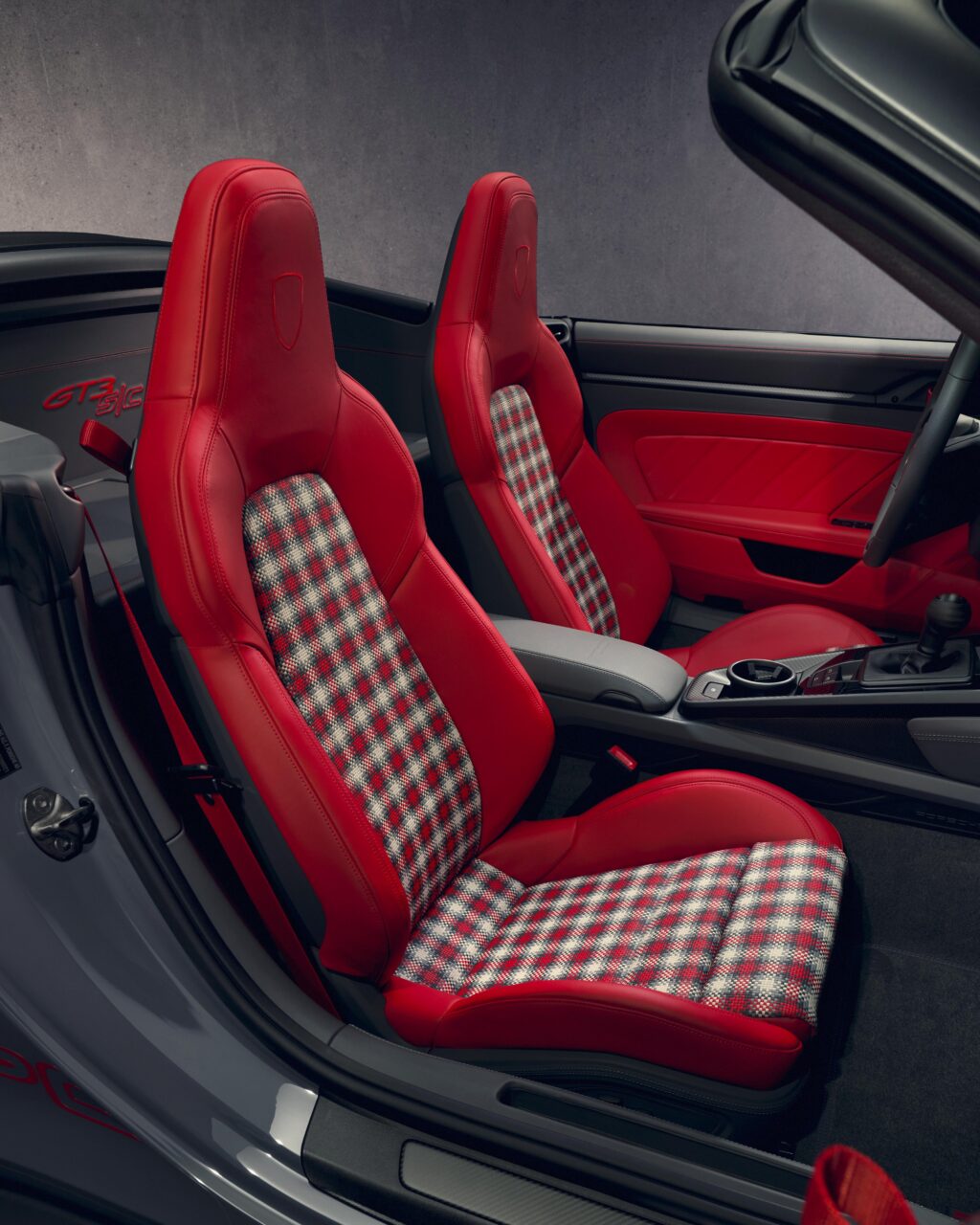
On paper, this car almost feels like a GT3 RS with the roof removed. It has 510 horsepower, a 9,000-rpm redline, a carbon-fiber body and standard PCCB. The key differences from the GT3 RS are a chassis focused on winding roads rather than track work—and the open sky overhead.
With a manual transmission as the only option, the number of people able to buy and fully enjoy this car may be limited. Some buyers, of course, will likely purchase it with resale in mind. They may not keep it for long, so cars could begin appearing on the used market relatively early. For drivers who genuinely understand what makes this car special and want to enjoy the roar of a naturally aspirated engine on winding roads, waiting for a used example might be a worthwhile option.
The GT3 S/C brings together a naturally aspirated engine, a manual transmission and open-air driving—a combination that feels almost impossibly indulgent in today’s world. With emissions regulations tightening, it’s hard to know how much longer cars like this will remain in the lineup. That’s exactly why the arrival of the GT3 S/C is something to celebrate.
Porsche 911 GT3 S/C: Key Specifications
Here’s a summary of the GT3 S/C’s key specifications.
| Engine | 4.0-liter naturally aspirated flat-six |
|---|---|
| Maximum output | 375 kW (510 PS) |
| Maximum torque | 450 Nm |
| Maximum engine speed | 9,000 rpm |
| Transmission | Six-speed manual (close ratios) |
| 0–100 km/h | 3.9 seconds (Japan specification) |
| Top speed | 313 km/h |
| Vehicle weight | 1,497 kg |
| Brakes | PCCB (standard) |
| Front suspension | Double wishbone |
| Front tires | 255/35 ZR 20 |
| Rear tires | 315/30 ZR 21 |
| Wheels | Magnesium center-lock |
| Carbon-fiber components | Hood, fenders, doors, anti-roll bars, shear plate |
| Magnesium components | Wheels, roof ribs, front roof frame, rear window frame |
| Battery | 40-Ah lithium-ion |
| Roof opening/closing time | About 12 seconds (operable at speeds up to 50 km/h) |
| Wind deflector | Effective at speeds up to 120 km/h |
| Headlights | Matrix LED |
| Seating capacity | 2 |
| Fuel consumption (WLTP) | 13.7–13.8 L/100 km |
| CO₂ emissions | 310–312 g/km |
| Price in Japan | ¥38,430,000 |
| Production status | Regular production model (not limited) |

If you enjoy this blog, follow along.
Comment ( 0 )
Trackbacks are closed.
No comments yet.