

A Passenger Ride in the 1,948-Unit Limited-Edition 911 Speedster (991)
Published: 2020.06.01
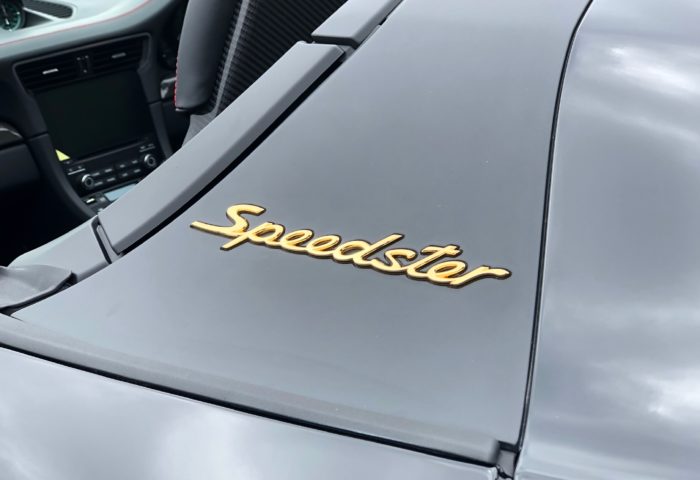

Well, would you believe it? The other day, my husband got to ride in an acquaintance’s 911 Speedster and wrote about the experience. I have to admit, I’m incredibly jealous! Read on for his impressions.
The 911 Speedster: Limited to 1,948 Units
A little while ago, an acquaintance told us that their 911 Speedster had been delivered. But time passed, and we still hadn’t had a chance to see the car in person.
This special Speedster is limited to 1,948 units worldwide. Its lineage stretches back to the Porsche 356 Speedster. Speedsters were later produced during the 930, 964, and 997 generations, each time as a special model launched near the end of its generation—a fitting culmination of that era’s 911.
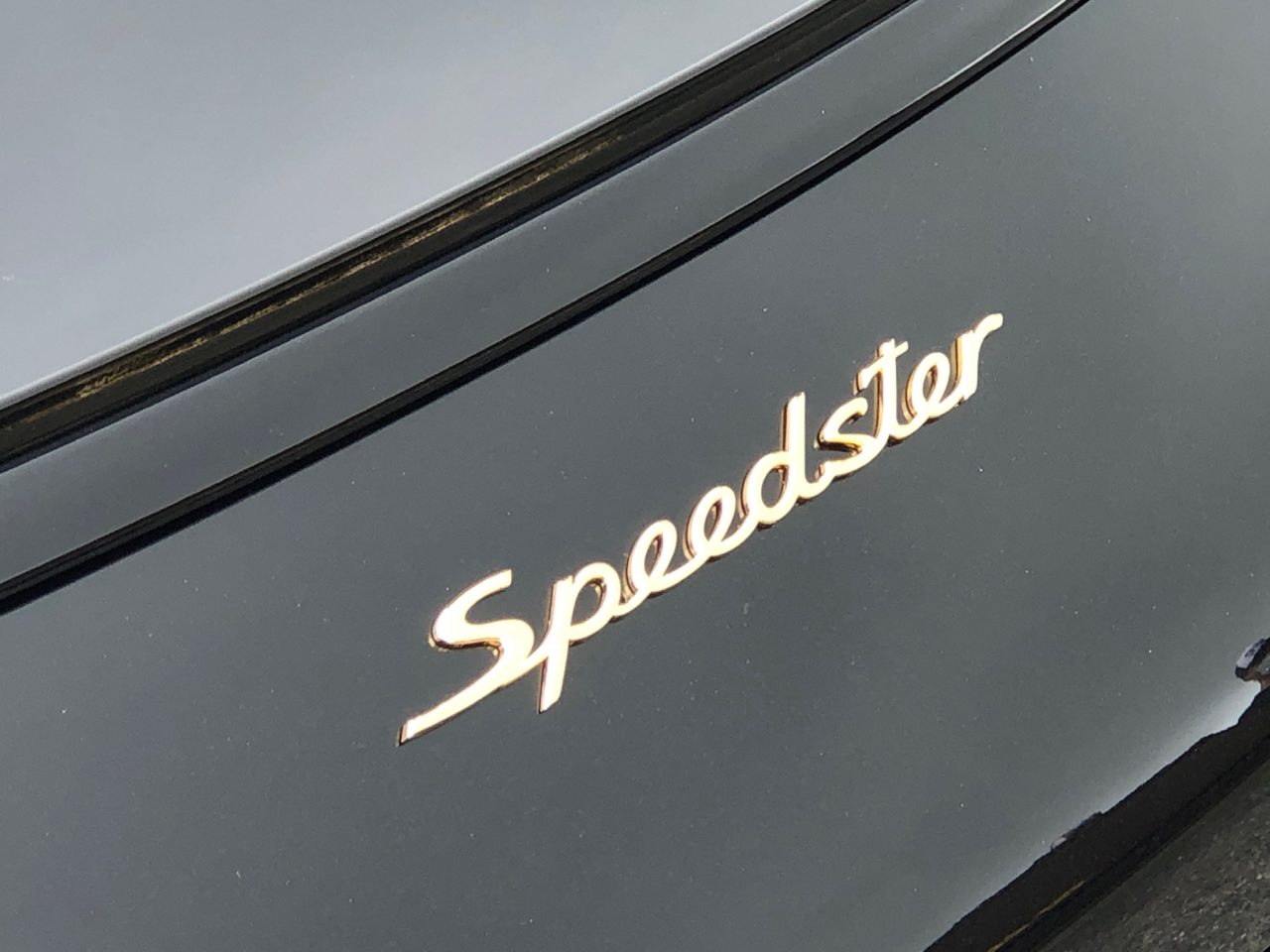
About a decade after the 997 Speedster debuted, this latest Speedster arrived as a send-off for the 991-generation 911.
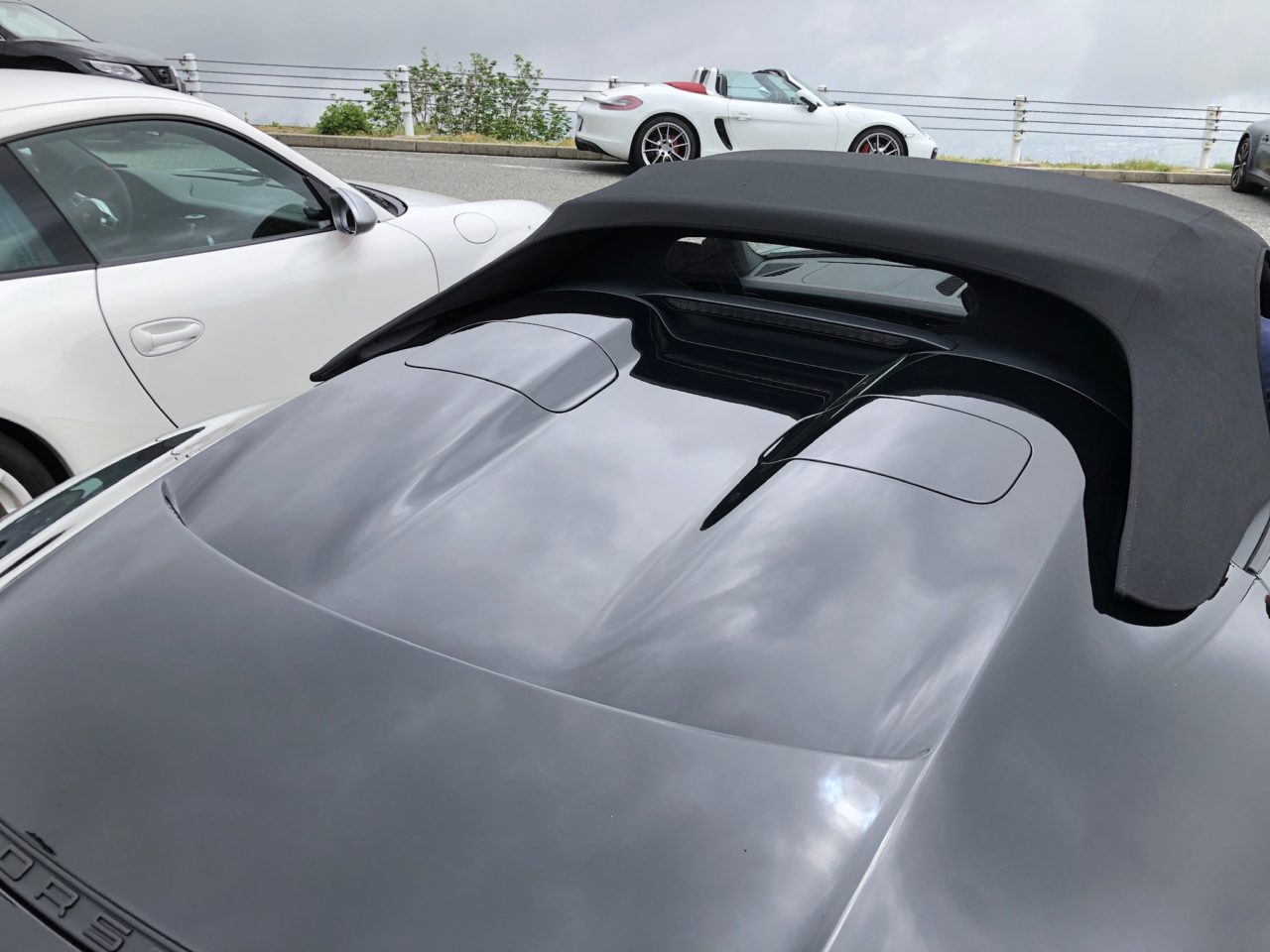
Its defining features include a lower, more steeply raked windshield than the standard 911, a lightweight, semi-automatic convertible-top system, and a carbon-fiber rear cover with a distinctive “double-bubble” design. From behind, the two humps give the car its unmistakable profile.
The Speedster shares its core components with the GT3. Its naturally aspirated 4.0-liter flat-six produces 510 PS at 8,400 rpm and 47.9 kg-m of torque at 6,250 rpm. That’s about 10 PS more than the GT3, and power is delivered through a manual transmission.
Lightweight carbon-fiber composite is used for the front fenders, hood, and rear cover, while the exhaust system is made of titanium. In other words, this car takes the GT3’s already impressive specification a step further.
We were lucky enough to be invited along for a passenger ride. Here’s what we thought, including the owner’s impressions and how the Speedster compares with the GT3.
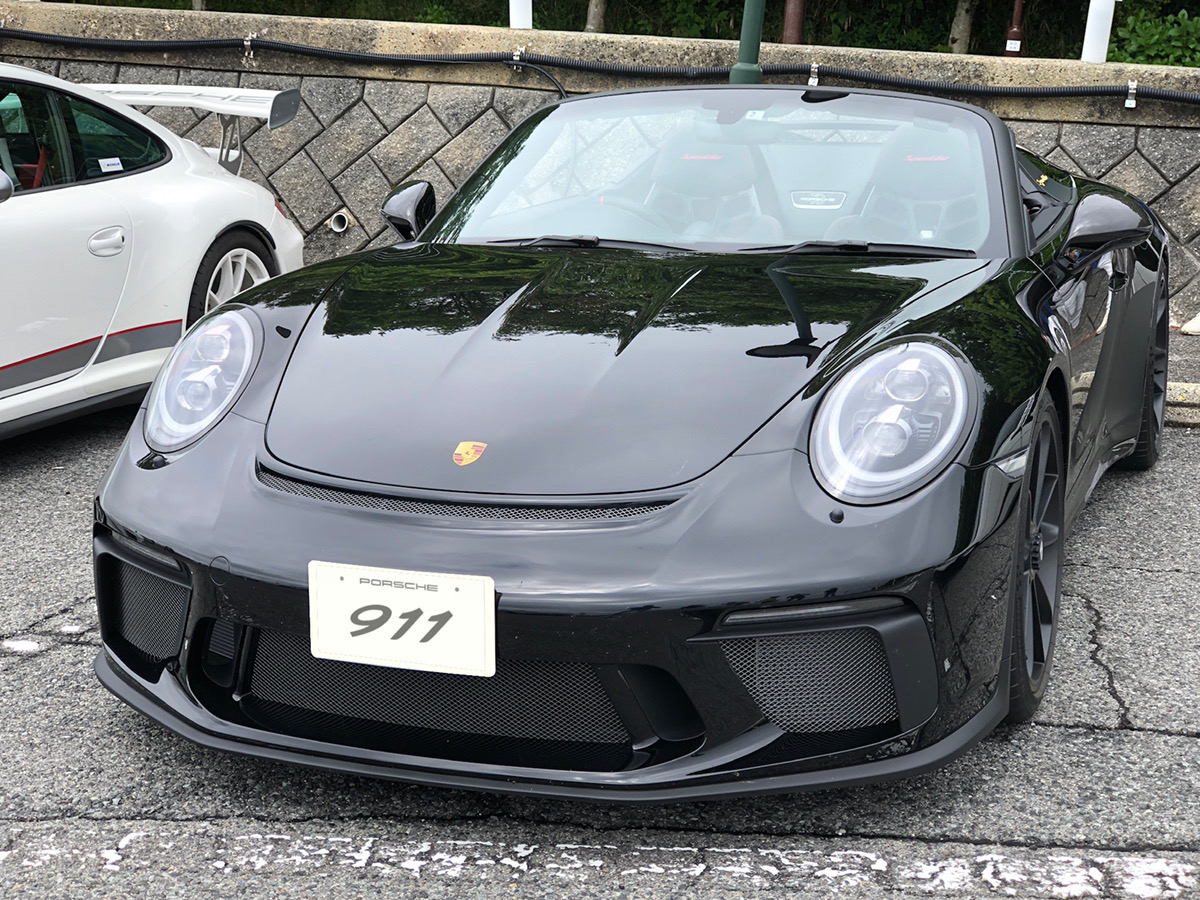
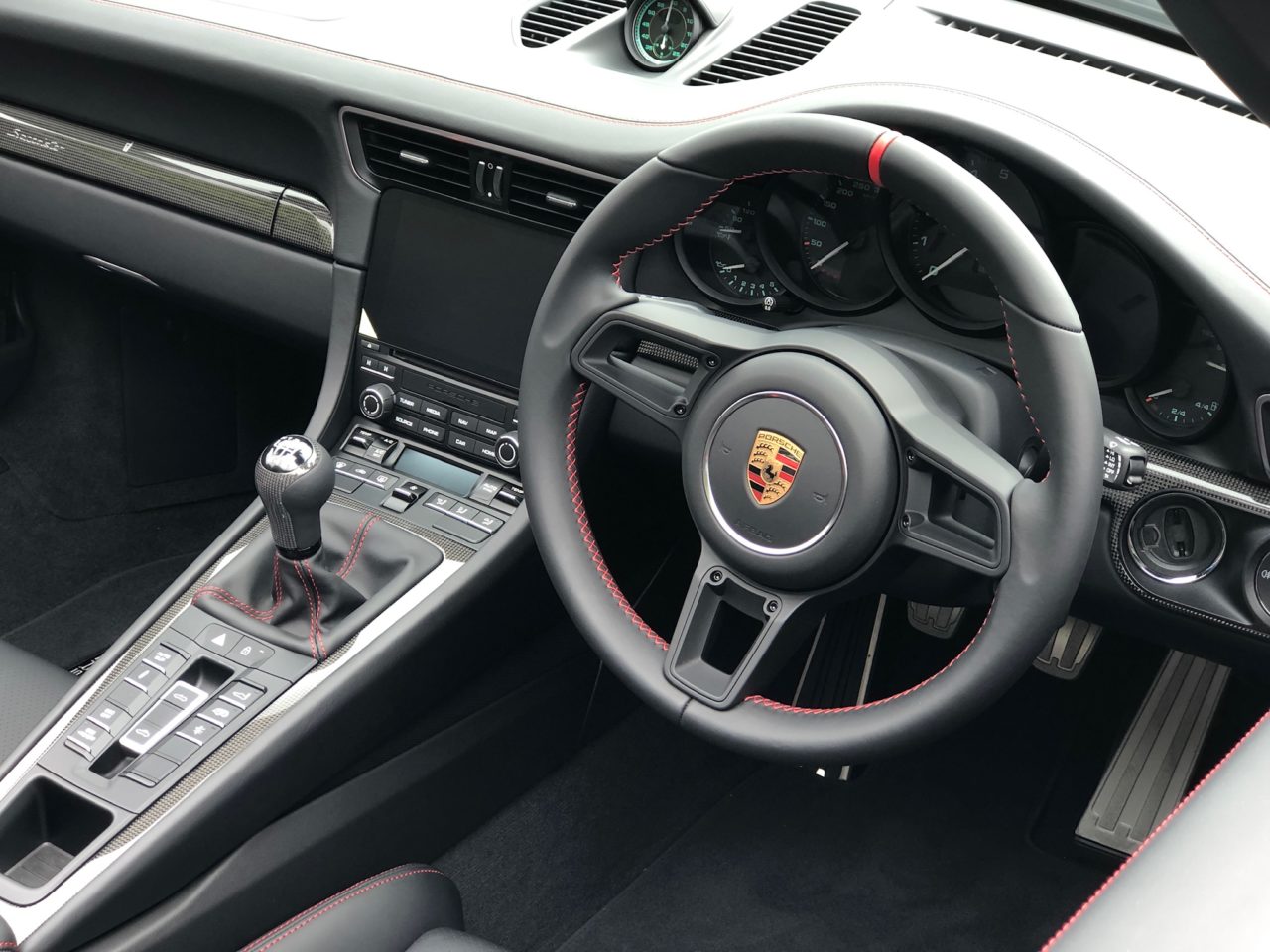
Riding Along in the 911 Speedster
When the engine fires up, it produces a refined exhaust note that sounds wonderfully free-flowing. It may be a little quieter than the GT3—more “fwoom, fwoom” than a full-throated roar—but the sound is remarkably clean and clear.
The exhaust is made of a different material, and a closer look revealed that its shape is slightly different, too. The Speedster seems to have a completely different exhaust system from the GT3.
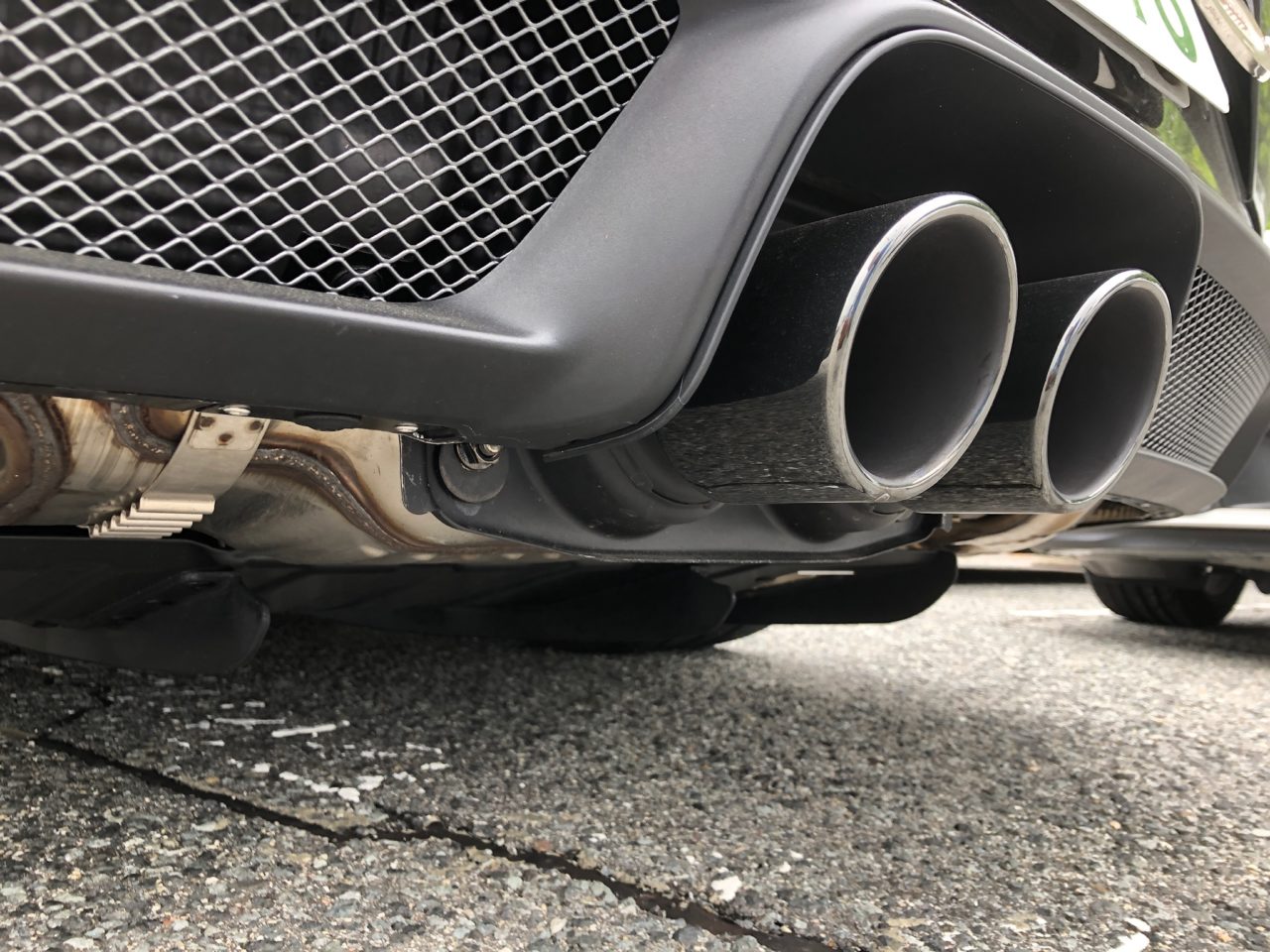
The engine’s response when revved is exceptional, as you’d expect, but the sound becomes even more enjoyable once you’re on the move. One thing that stands out is how little gear and mechanical noise there is compared with the GT3. Instead, the exhaust note takes center stage.
Perhaps the amount or placement of sound insulation around the engine and transmission is different. Whatever the reason, the sound clearly prioritizes the exhaust. It’s a pleasure to listen to, and even at low and moderate speeds, the car gives you a sound worth savoring. It feels like a car you can enjoy just as much around town.
The ride is also quite different from the GT3. It’s comfortable even at low speeds. The ride feels closer to that of a regular 911 than a GT model, making it clear that the setup has been tuned with road use in mind.
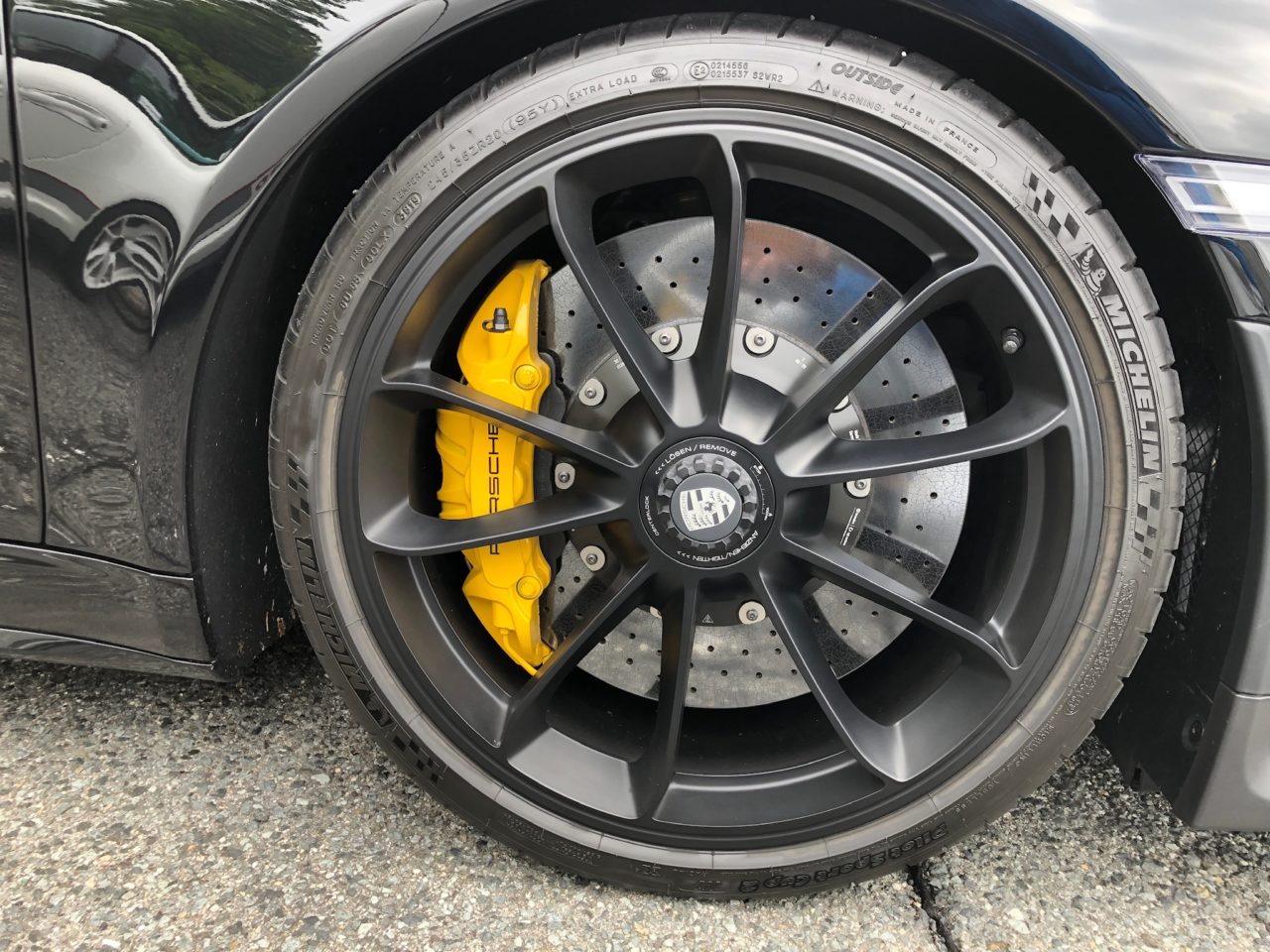
But this isn’t simply a case of the suspension being soft. The overall impression is of a remarkably supple chassis. If the ride is this comfortable from the passenger seat, it must feel even better behind the wheel.
As the revs climb, the sound doesn’t change dramatically around 4,000 rpm the way it does in the GT3. Instead, the same refined, sporty tone builds smoothly from low to high revs. I really liked it. The owner also said, “It’s a little quieter than the GT3, but it sounds great”—and I couldn’t agree more.
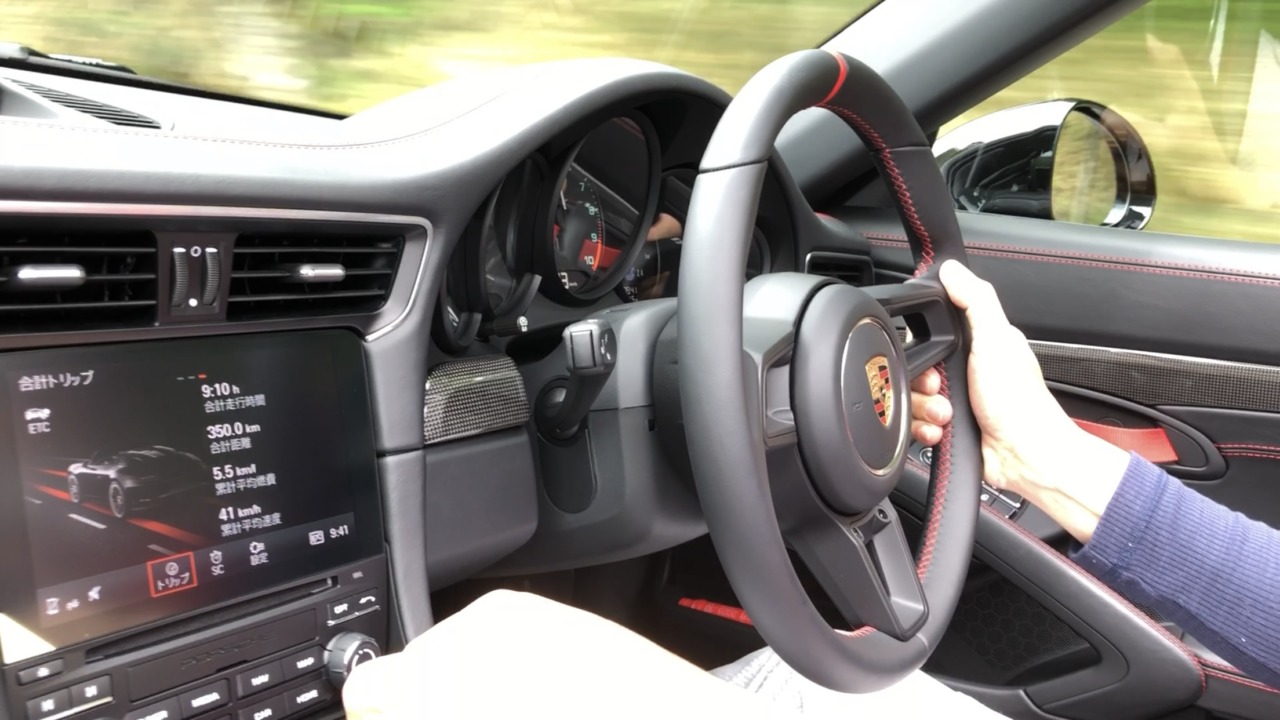
With the roof down and a more steeply raked windshield than the standard model, I expected the Speedster to be very windy. Surprisingly, wind buffeting is minimal. It’s not quite as comfortable as a regular 911 Cabriolet with its wind deflector raised, but there’s far less buffeting than in a 981 or 718 Boxster.(Though, to be fair, the Boxster can be especially windy.)
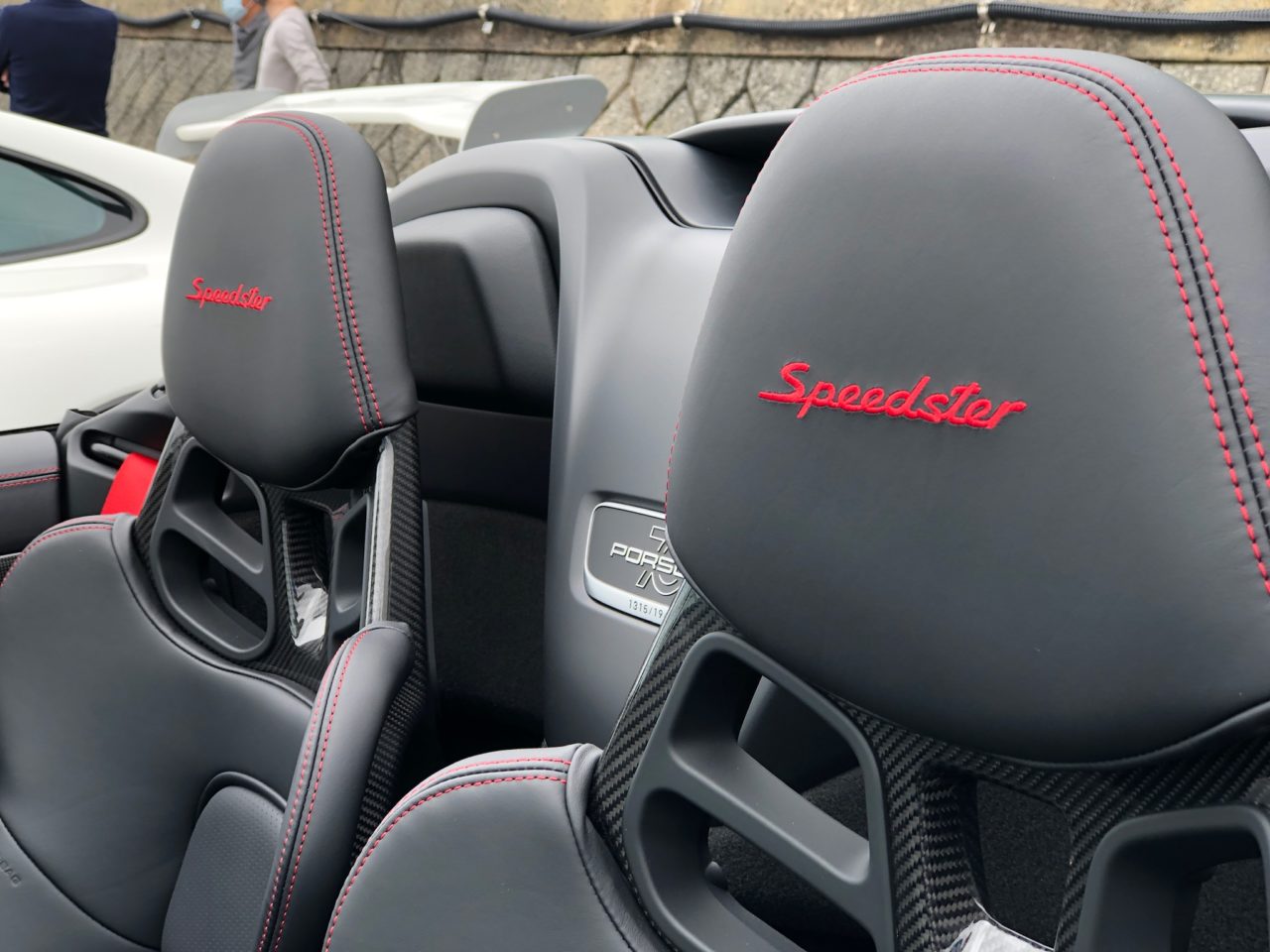
It remains reasonably comfortable at higher speeds, too, so a highway cruise shouldn’t be much of a hardship.
As for power delivery, the owner felt that the GT3 has more low-end torque. We had them accelerate in third gear from low revs, and the Speedster did feel a little light on torque for a 510-PS engine. The gearing could be a factor, though.
It’s hard to draw firm conclusions about the handling from a passenger ride alone, but the Speedster seemed a little more forgiving than the GT3. Even so, it felt more planted and composed through corners than a standard 911, and I felt very secure in the passenger seat.
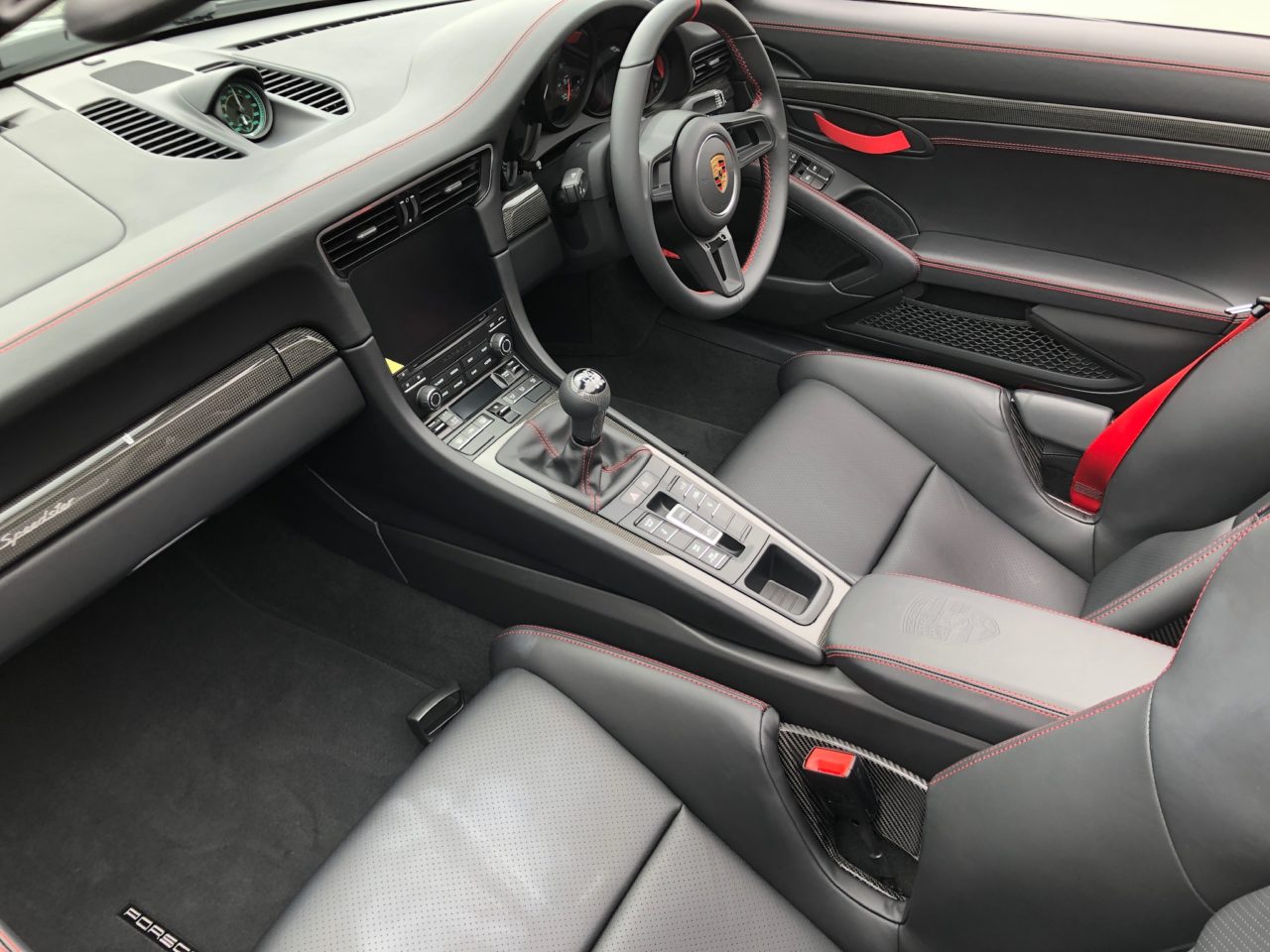
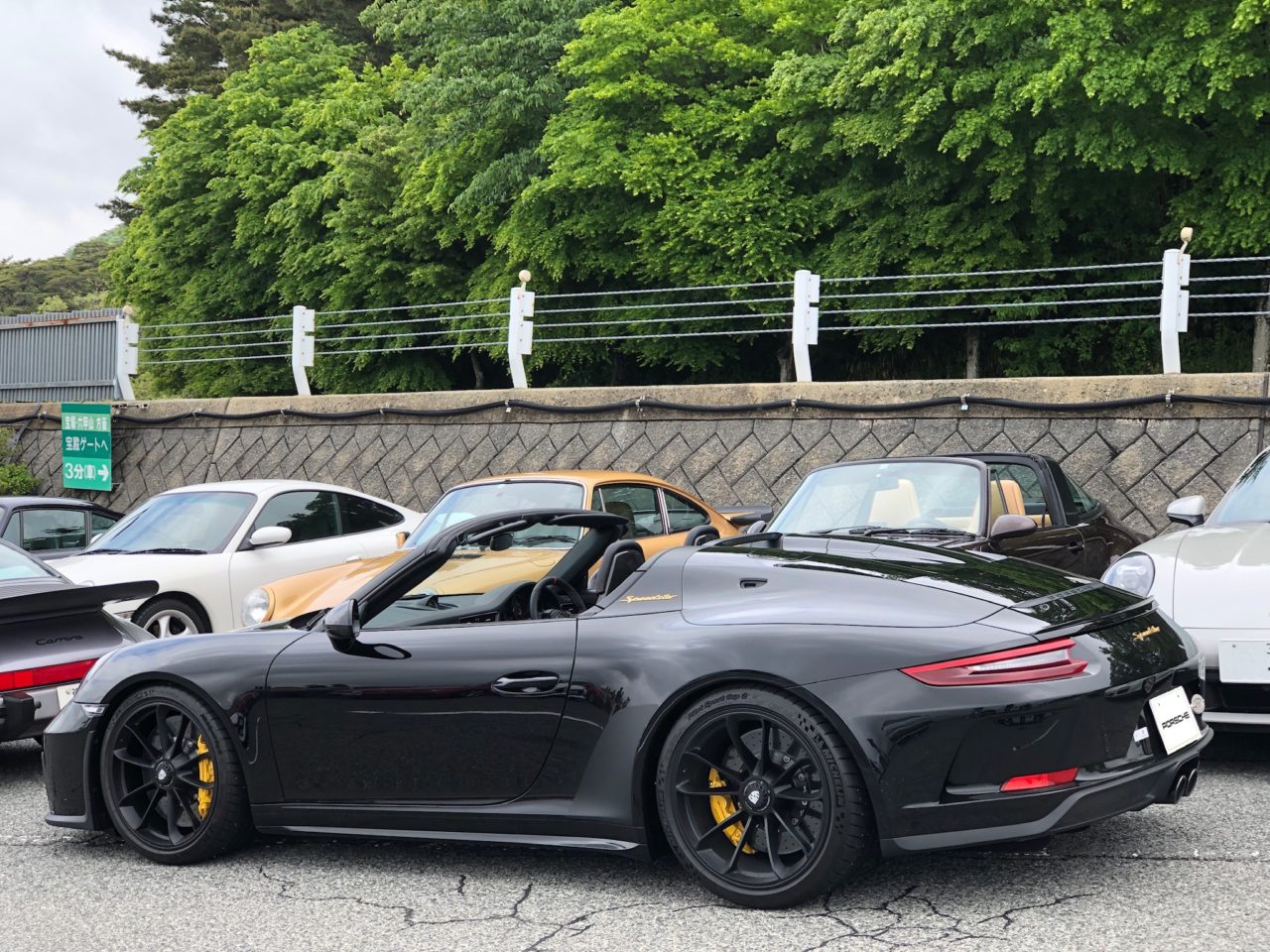
After the ride, I took my time admiring the car. It really is beautiful. The side profile, in particular, is stunning thanks to the low, steeply raked windshield. It may be the most beautiful Porsche around today.
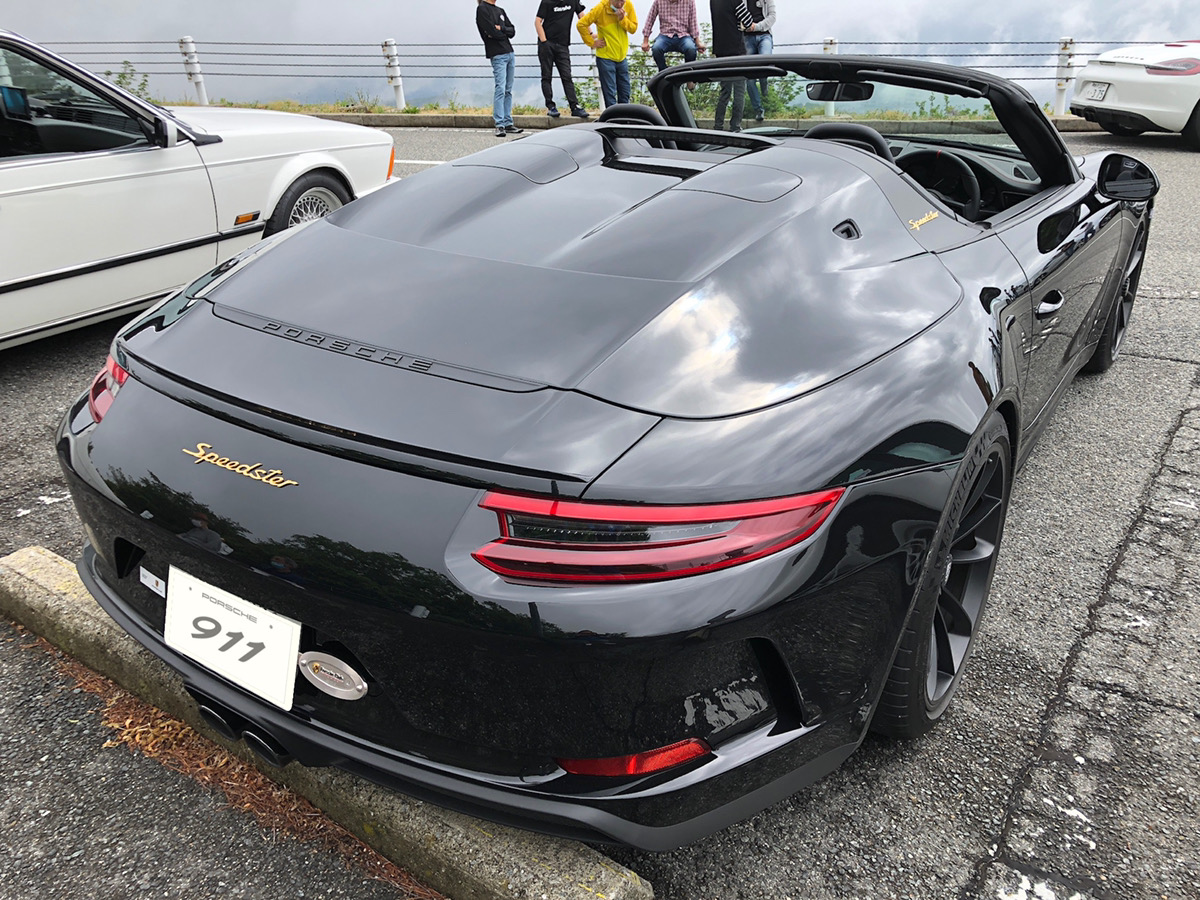
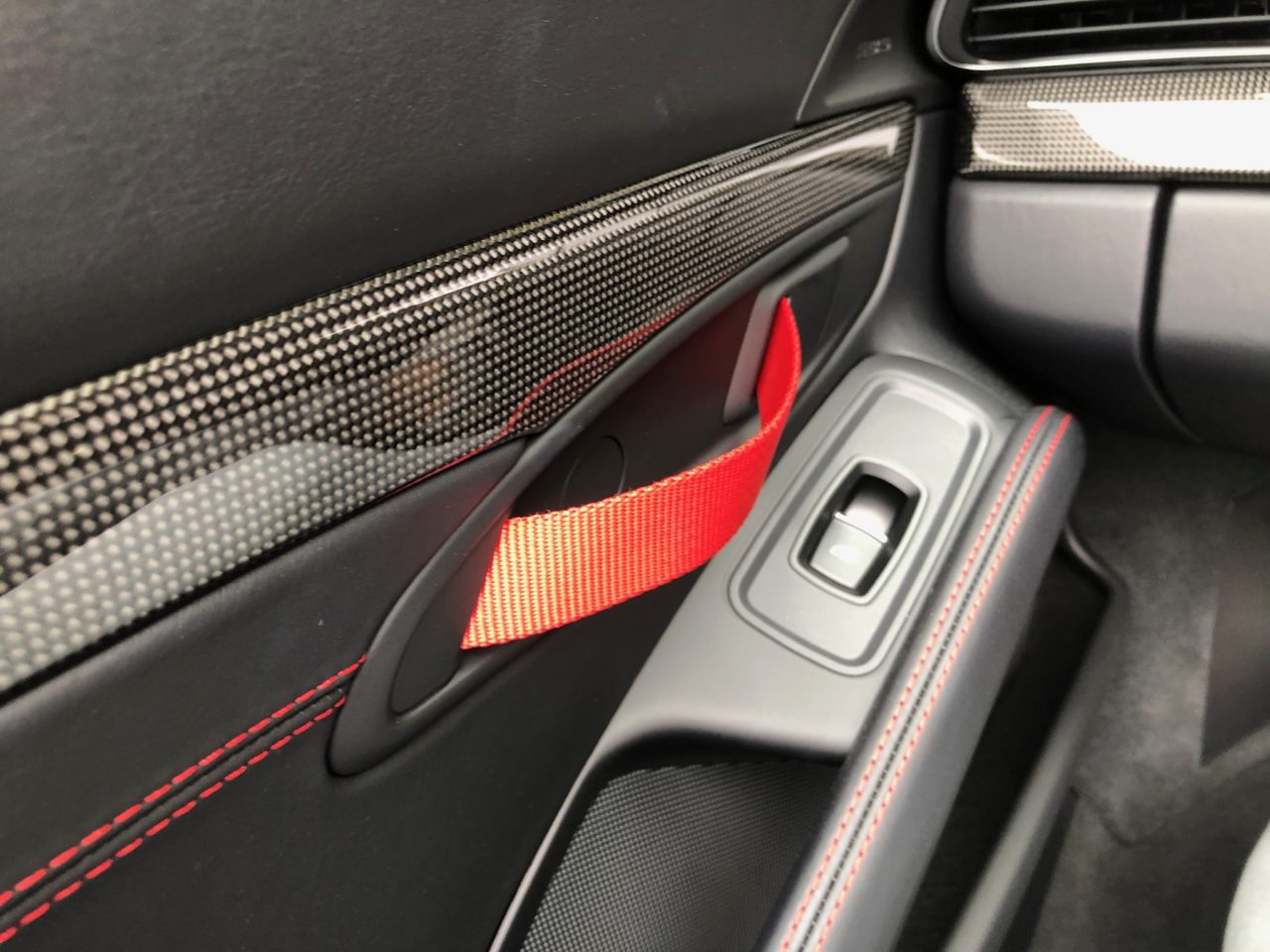
Inside, the space where the rear seats would normally be is recessed like a little cave. According to the owner, it makes a handy spot for stowing luggage.
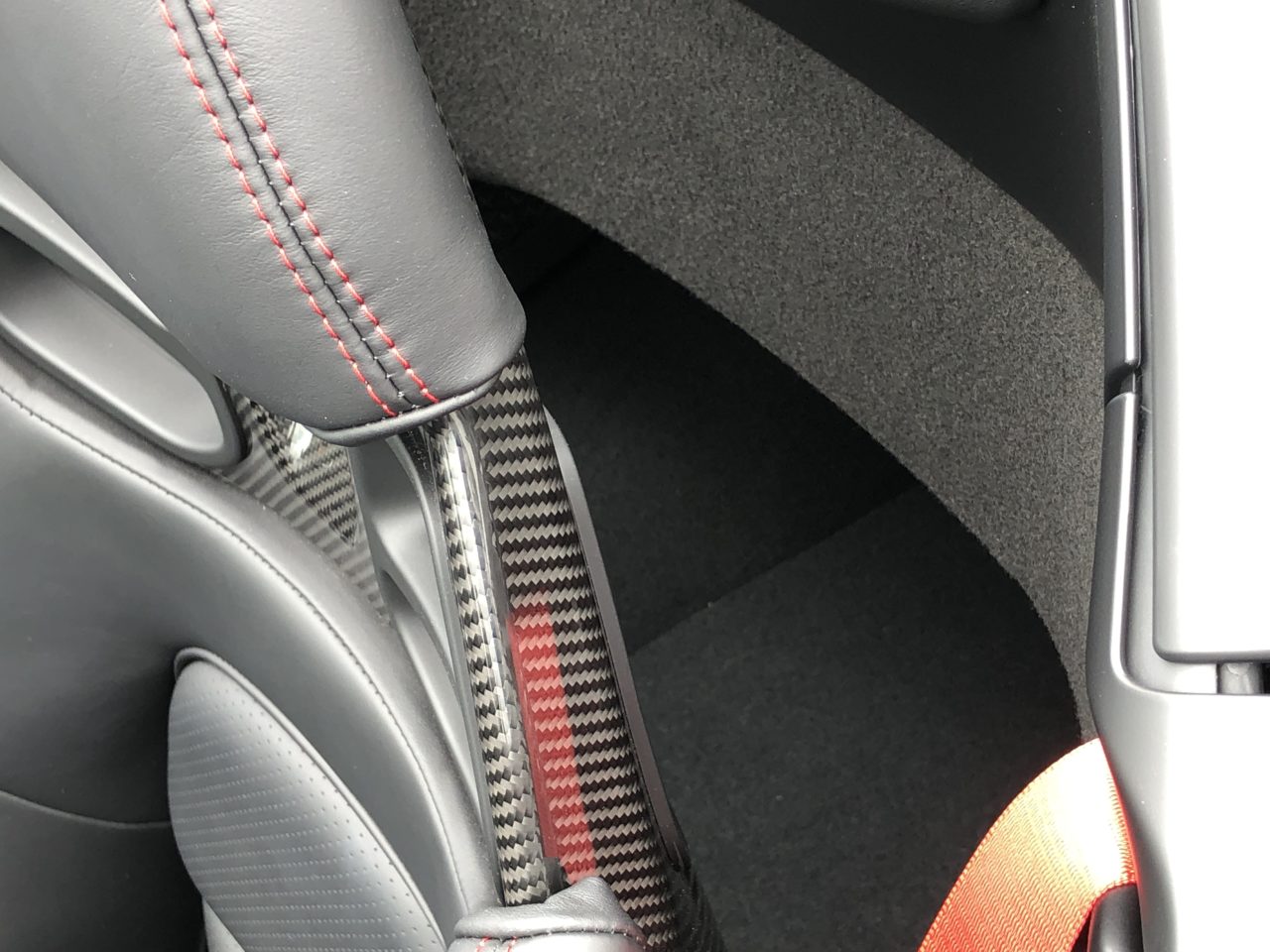
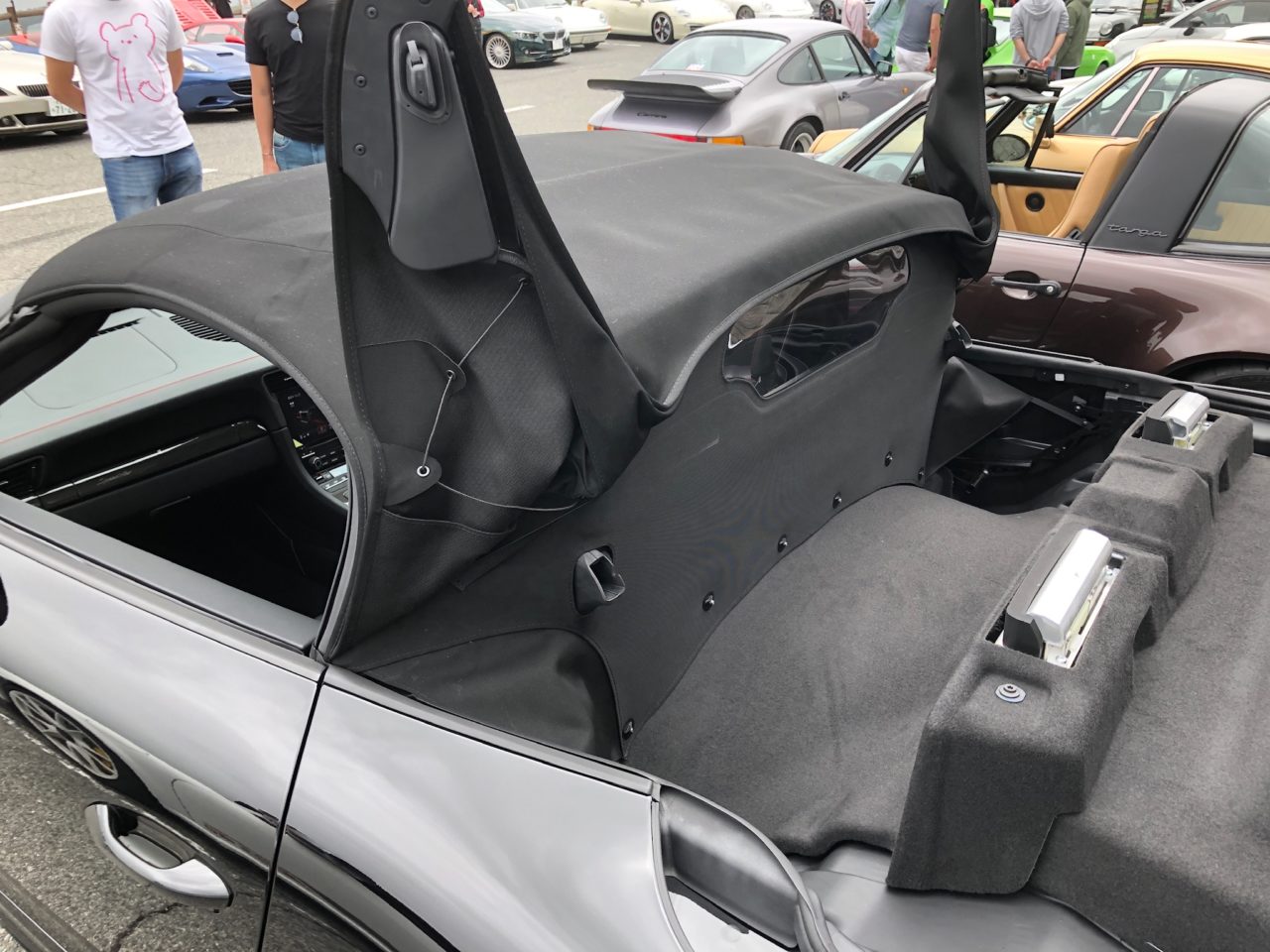
Behind that is the soft top. You release its locks with a switch on the center console, then open or close it by hand. We watched the owner operate it, and it looked very straightforward—much like the Boxster Spyder’s top and easily done in under a minute.
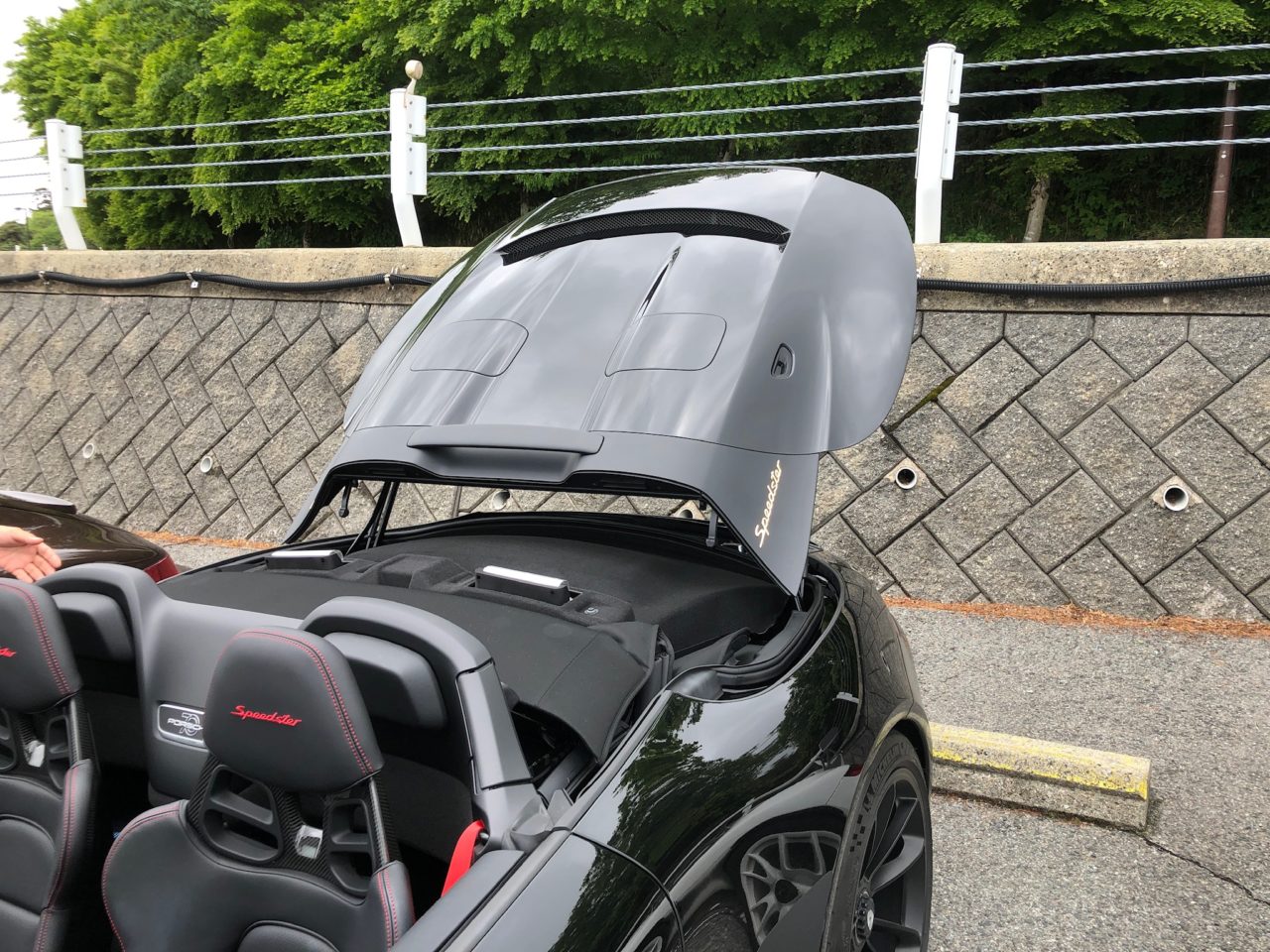
A Fresh Look at the 911 Speedster
The Speedster is more road-focused than I expected. It might even be better suited to touring than the GT3 Touring. In a way, it feels like a GT car, adding a more comfortable touring character to the GT3. If I had to describe it using Porsche’s own naming conventions, I’d call it a “GT3 Cabriolet Touring Package.”
That’s the character the car left me with.
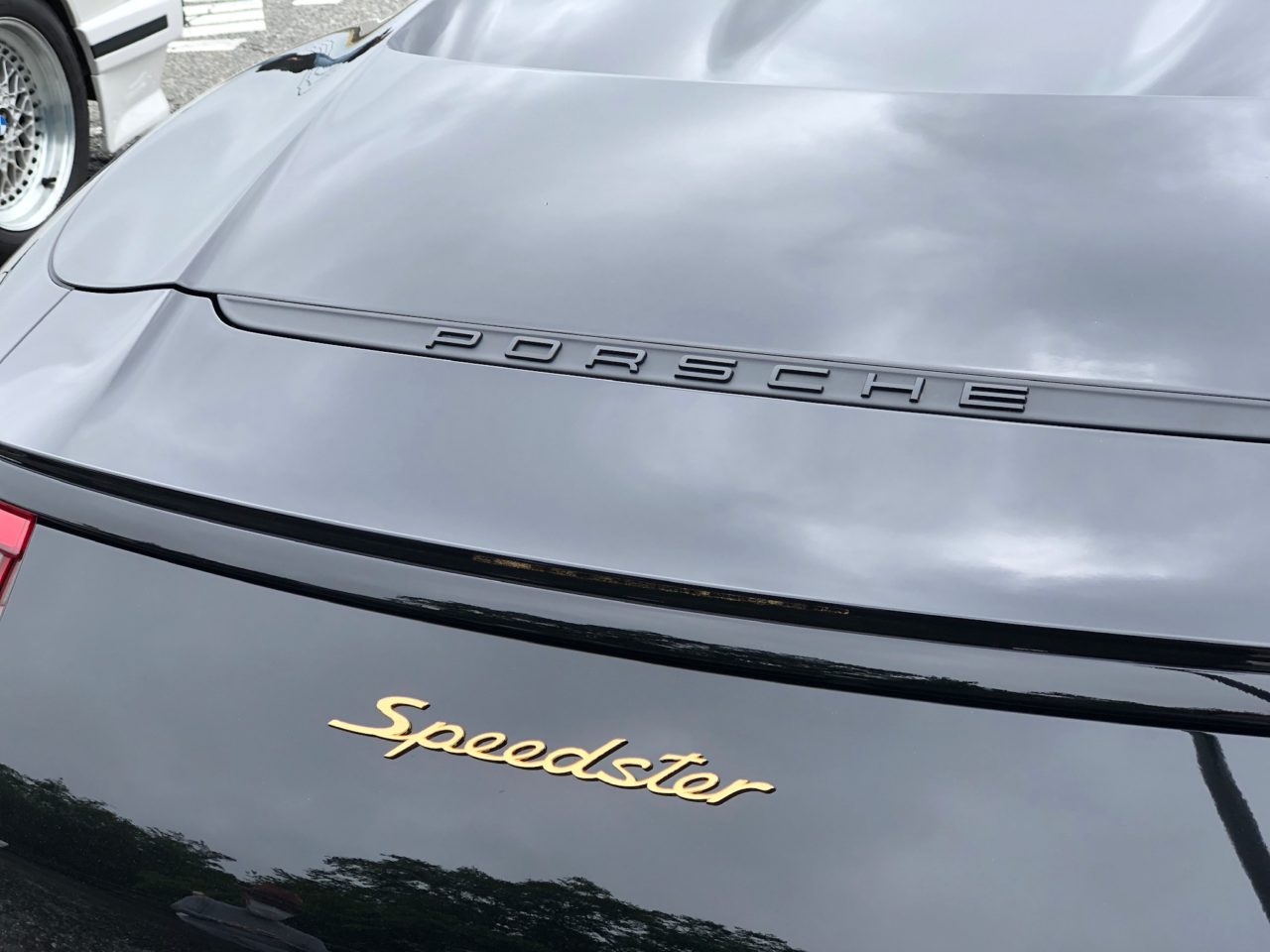
With only 1,948 examples produced worldwide, it’s a car you’re unlikely to see often—and may never get the chance to experience again. A big thank-you to the owner for letting us ride in this remarkable Porsche. It’s an outstanding car by any measure.
It might feel too special to put many miles on, but I hope you find plenty of opportunities to take it out and enjoy it.

If you enjoy this blog, follow along.
Comment ( 0 )
Trackbacks are closed.
No comments yet.