

Cellstar GR-99L Laser Speed Camera Detector: Purchase, Installation & Review
公開日:
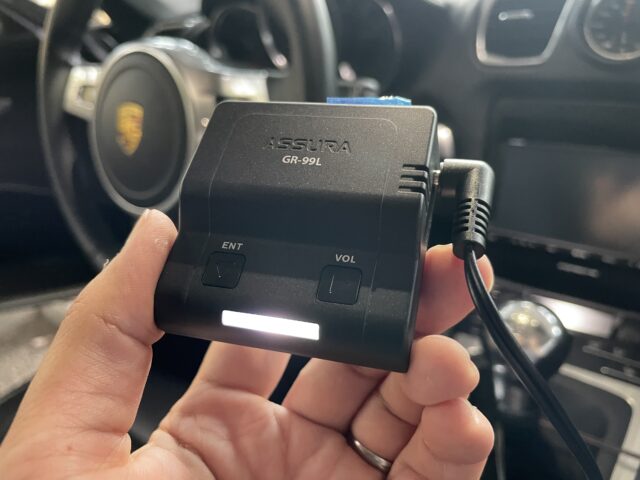

I’ve previously reviewed the GR-91 and GR-81, and this time I bought Cellstar’s new GR-99L. Here’s my hands-on review.
コンテンツ
Laser Speed Cameras on the Move
More and more speed traps now use modern mobile speed cameras, and laser-based speed measurement is becoming increasingly common.
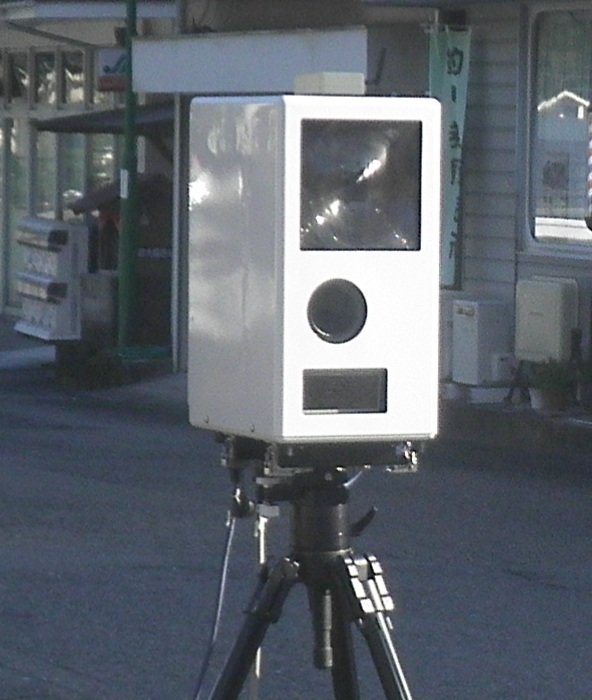
Source: Miyazaki Prefectural Police Traffic Division on Twitter
Traditional radar speed traps needed a straight stretch of road with a reasonable amount of traffic, a suitable place to set up the speed-measuring equipment, and a spot farther down the road where officers could pull over drivers and issue tickets—a setup commonly known as a “ticketing station.” With all those requirements, the locations where police could operate were naturally limited.
GPS-only radar detectors used to be effective enough for warning drivers about these fixed enforcement points. But today’s mobile speed cameras can appear almost anywhere there’s a little room to set one up—including tunnel refuges and wide sidewalks—making enforcement zones feel more unpredictable than ever.
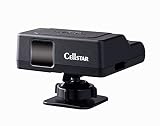
Cellstar GR-99L
With GPS data alone unlikely to keep up, I’d been thinking that my GR-91 needed a laser-detection feature. Then Cellstar launched the new GR-99L, which can detect laser speed measurement.
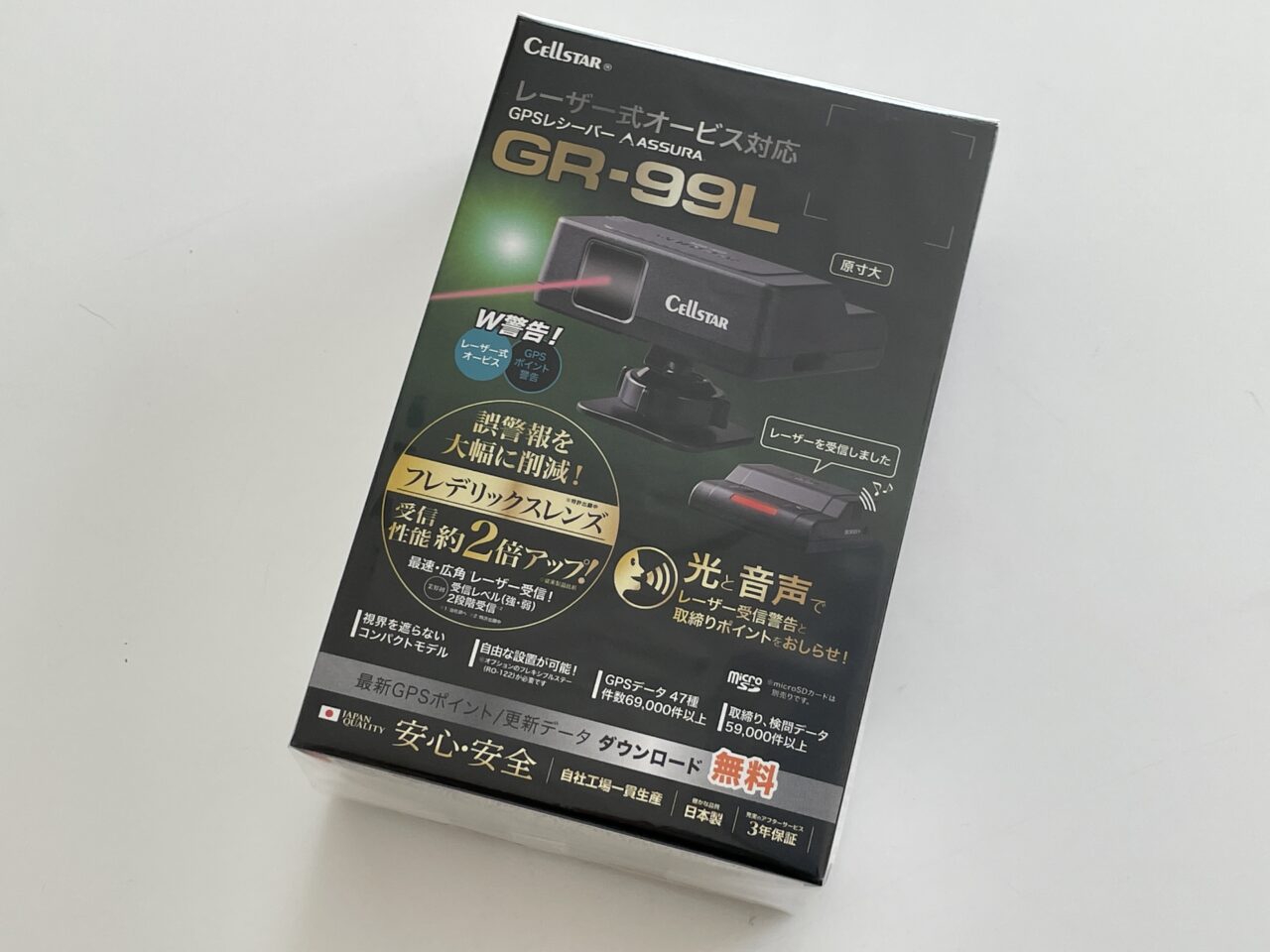
Like the earlier models, the GR-99L has no LCD screen. That gives you more flexibility about where to install it, and, best of all, it doesn’t disrupt the look of the interior.
I installed one in my 981 Boxster GTS and another in my 991 Carrera 4 GTS.
Installing the GR-99L
I prefer to keep the dashboard clear, so I installed the detector behind the rear-view mirror, alongside the dashcam. It stays completely out of the driver’s line of sight, and the discreet placement preserves the cabin’s clean look.
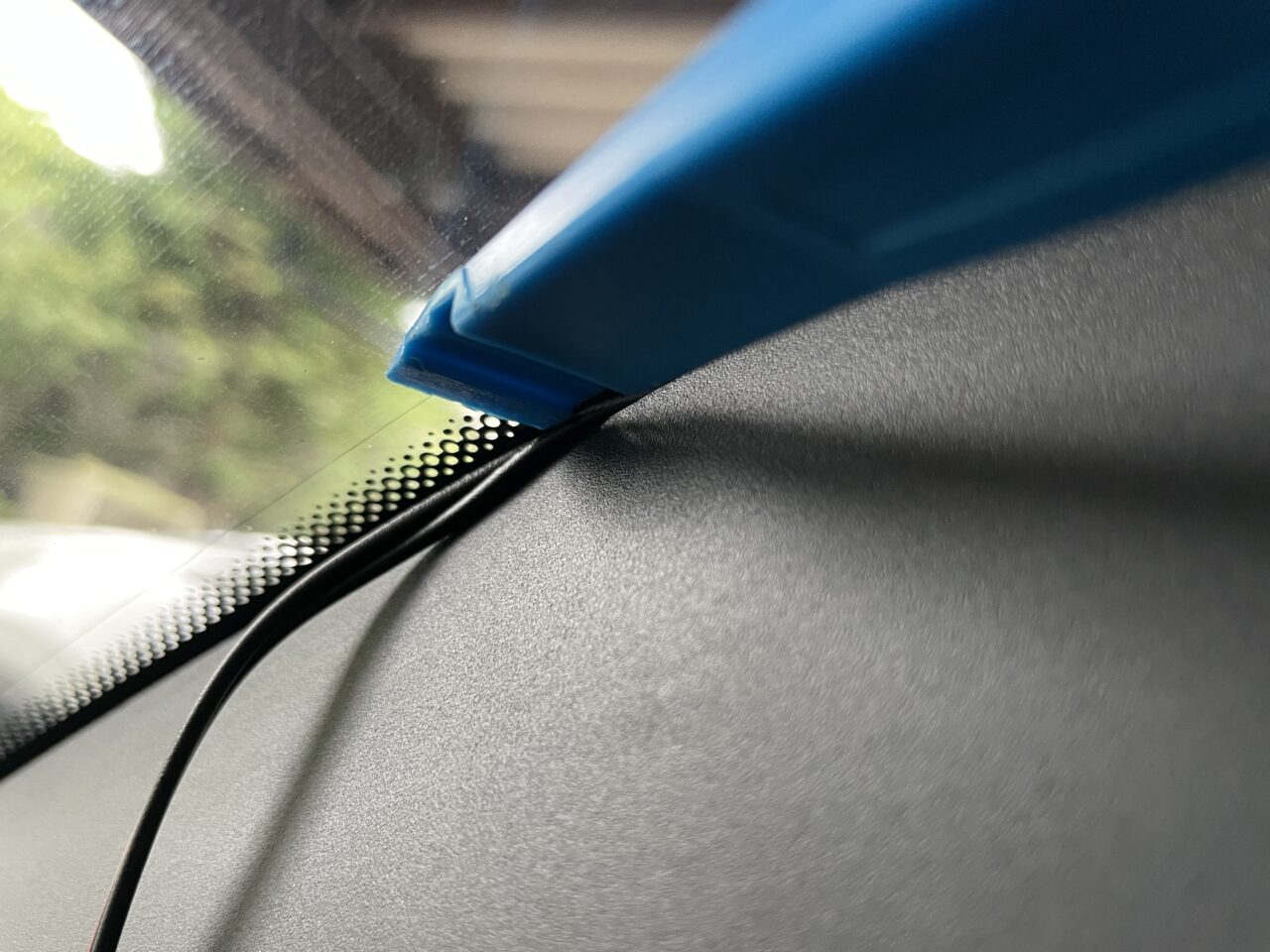
Simply use a trim tool to tuck the wiring into the gaps and run it along the trim.
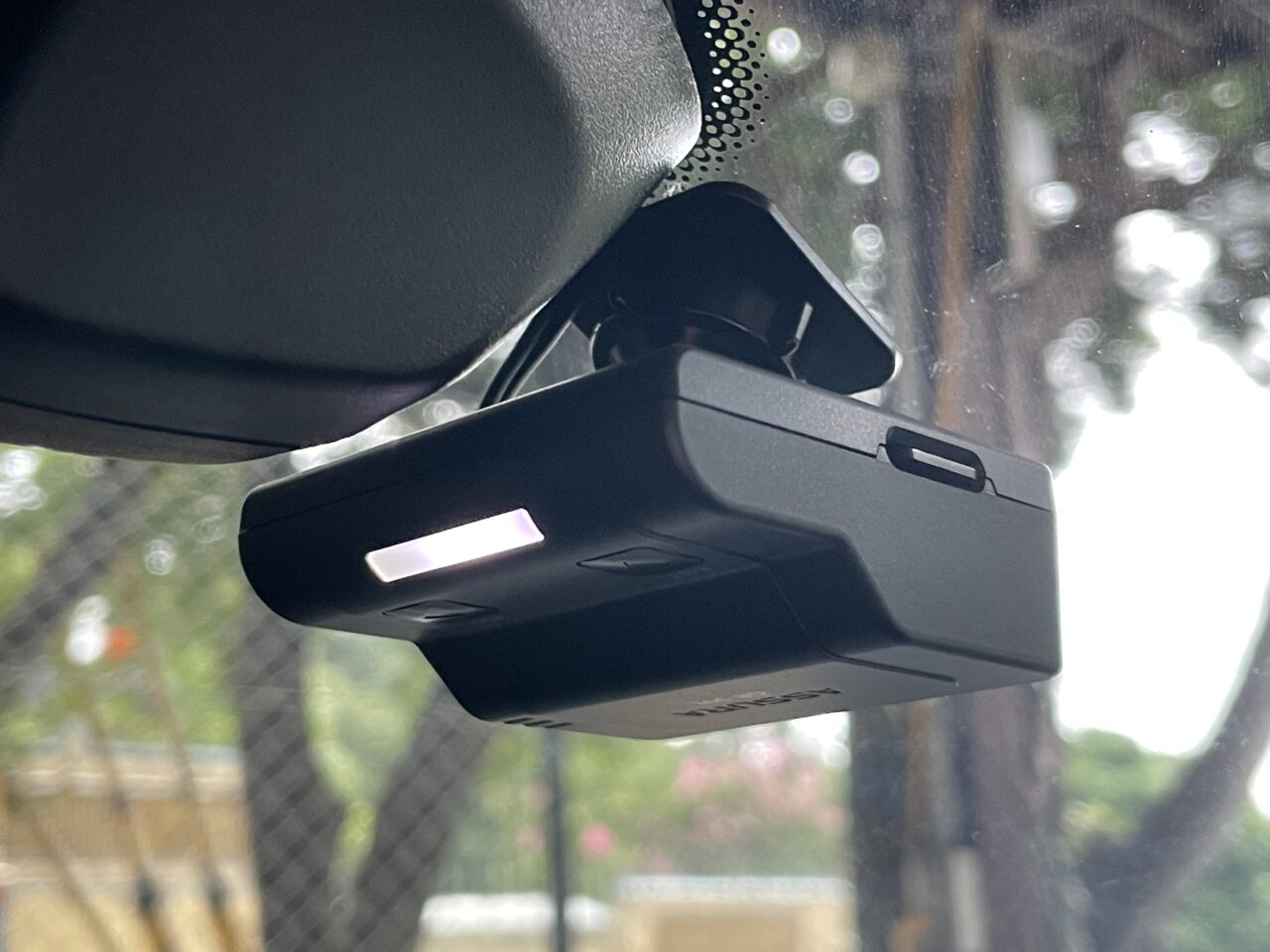
Behind the rear-view mirror—completely out of the driver’s line of sight.
I considered wiring it directly to the fuse box, but I’m the kind of person who prefers to switch off the detector on familiar roads. So I chose to power it from the 12V outlet beside the glove box.
The included 12V plug has an on/off switch, and this location makes it easy to reach.
I tucked the cable from the glove box into the A-pillar trim, then ran it along the top of the windshield to the rear-view mirror, where I installed the unit.
How Well Does the GR-99L Work?
In terms of core features, the GR-99L is much like the GR-91. You can update its GPS enforcement-point database for free each month using a microSD card.
As with the GR-91, it also provides voice alerts for standard enforcement information. The voice quality, though, is still nothing special. It’s easy enough to understand, but has a walkie-talkie-like sound. A better speaker could make the alerts clearer and give them a more polished feel.
The key question is how well it detects laser signals. After using the GR-99L for several months and testing it in a range of locations, I’ve found its performance excellent.
For example, a semi-fixed laser speed camera is sometimes installed near kilometer marker 4.6 on the Kobe Route of the Hanshin Expressway, heading toward Osaka. Even in the far-left lane—the worst angle for detection—the GR-99L alerted me about 50 meters ahead.
In the second and third lanes, it picked up the camera around 100 to 150 meters in advance. The alarm is also attention-grabbing and easy to recognize as a warning.

Of course, by the time the detector receives a laser signal, your speed may already have been measured. But GPS alerts can tell you that an enforcement zone is coming up, giving you a chance to stay alert before you reach it. That should help reduce the risk of unintentionally speeding.
Why Choose a Screen-Free GPS Detector?
I’ve used the screen-free GPS detectors GR-81, GR-91, and now GR-99L, and I’ve never been stopped for a traffic violation.
A detector without a screen or radio-wave detection may seem less reassuring. But relying on voice alerts alone keeps you alert in a good way. And because the unit warns you about enforcement areas whether or not it detects radar or laser signals, it can encourage safer driving.
After hearing alerts in a variety of places, you also start to recognize the kinds of roads where enforcement is more likely. Even without a GPS warning, you may find yourself thinking, “This area looks like a likely spot.” That awareness is another benefit.
Of course, the ideal approach is to drive safely and not need a device like this at all. In reality, though, it’s rare to find roads in Japan where traffic consistently flows at or below the posted speed limit. In a driving environment where the rules on paper and the reality on the road don’t always line up, I hope you’ll use a radar detector responsibly to help protect yourself and enjoy a more comfortable time behind the wheel.

このブログが気に入ったらフォローしてね!
Comment ( 0 )
Trackbacks are closed.
No comments yet.