

Why Right-Hand-Drive Manuals in Imported Cars Can Be Surprisingly Awkward to Drive
公開日:2019.12.26
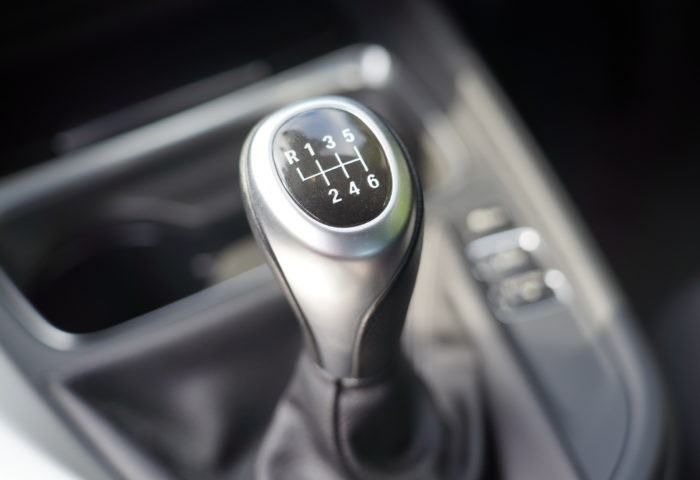

Imported Cars with Right-Hand Drive and a Manual Transmission
Lately, whenever I drive my BMW 320i with a manual transmission, I find myself thinking, “Turning at intersections in a right-hand-drive imported car with a manual transmission is surprisingly hectic.”
I didn’t used to have the mental space to notice—or maybe I was so focused on operating the clutch and driving smoothly that it simply didn’t register.
But now I’m much more accustomed to driving a manual, and I can do it without thinking too hard about each action. As a result, I’ve become far more aware of how much there is to do when turning at an intersection.
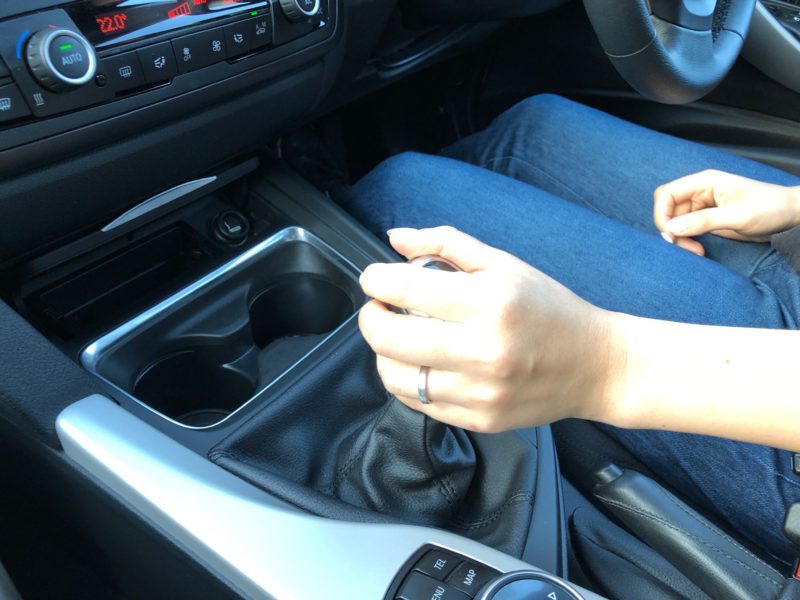
The reason is simple: in a right-hand-drive imported car with a manual transmission, your left hand operates both the turn signal and the gearshift. That means the controls you need at an intersection are concentrated in your left hand.
In a Japanese-market right-hand-drive car, the turn signal is operated with the right hand and the gearshift with the left, so the work is more evenly split between both hands. The same goes for a left-hand-drive imported car, where the turn signal is operated with the left hand and the gearshift with the right.
In a right-hand-drive imported car, though, turning at an intersection means signaling with your left hand, downshifting with your left hand, steering with your right hand, and then upshifting with your left hand. In short, your left hand has a lot to do.
It’s manageable when you’re stopped at a red light. You can signal while stationary, and there’s no need to downshift, so when the light turns green you can simply pull away. But making a left or right turn while the car is still moving is another story…
Now I finally understand why my husband has always said, “If you’re buying an imported car with a manual transmission, you absolutely want left-hand drive.”
Next Time, I’d Choose Left-Hand Drive
I recently told my husband, “I’ve really come to appreciate how much better a left-hand-drive layout is for an imported car with a manual transmission.”
“Right? I really think so, too. I don’t know if it’s still the case, but when I was buying my first manual Boxster from a dealer, I couldn’t decide between right-hand drive and left-hand drive. The salesperson, H, told me, ‘If you order a right-hand-drive manual, I have to check with my manager. You’ll need to fully understand and accept the implications for how the car operates before placing an order.’
At least, that’s how it was back then.”
That makes sense.
When the 718 Spyder and GT4 were announced, I heard from people who said they’d canceled their orders because right-hand drive was the only option. At the time, I just thought, “Oh, really?” But for drivers accustomed to a left-hand-drive manual, I can see why that would be a deal-breaker. (Porsche Japan, please let buyers choose between right- and left-hand drive on models built for driving enthusiasts.)
If I replace my 320i, I’d definitely want a left-hand-drive version. But I doubt there are many used cars I’d actually want that come with left-hand drive and a manual transmission. It’s a tricky dilemma—and one I find myself mulling over these days.
このブログが気に入ったらフォローしてね!
Comment ( 0 )
Trackbacks are closed.
No comments yet.