

A GT3-Powered 911 Cabriolet on the Way? It Could Be Called the “911 S/C”
Published:

コンテンツ
A GT3 Engine, with the Roof Down
A Porsche 911 Cabriolet powered by a GT3 engine may be on the way.
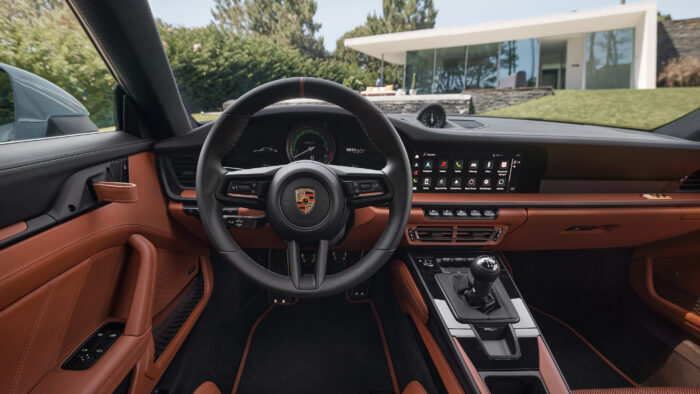
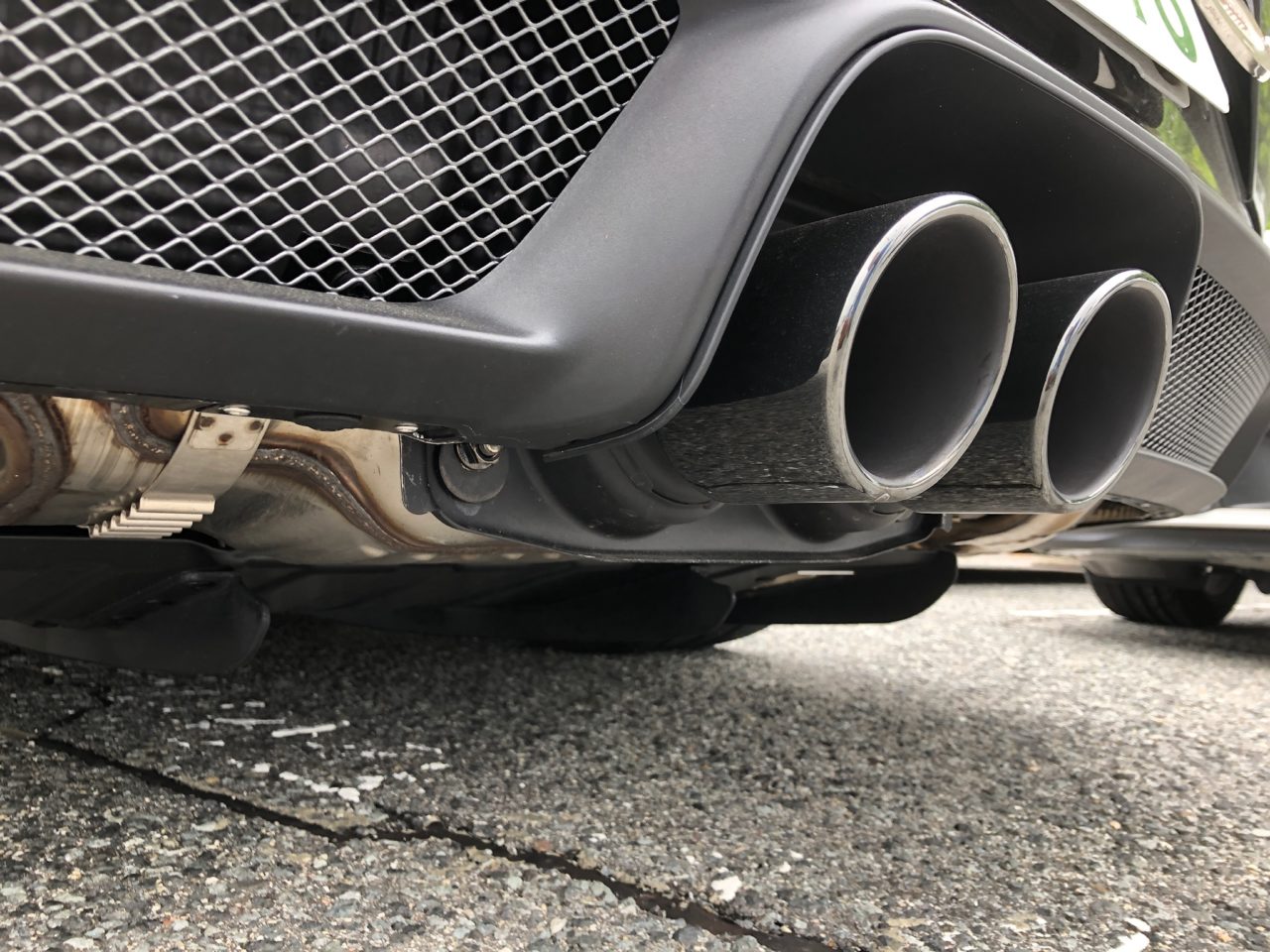
According to overseas media reports, rumors are building that a model called the “911 GT3 Sport Cabriolet” could debut as early as next month. It’s said to use the naturally aspirated 4.0-liter flat-six that produces 502 hp and revs to around 9,000 rpm. Reports also point to sporty details including air outlets behind the front fenders, like those on the GT3 RS, and a rear bumper with twin center-mounted exhaust pipes. Rather than a fixed rear wing, it’s expected to get an active spoiler similar to the one used on Carrera models.
A 911 with a GT3 heart and the sky overhead. Following the 991 Speedster, this would be only the second car to combine these ingredients—a rare proposition indeed.
この投稿をInstagramで見る
Following in the 991 Speedster’s Footsteps
There has only been one open-top 911 with a GT3 engine before.
That car was the 911 Speedster, which arrived at the end of the 991 generation. It paired the GT3’s naturally aspirated 4.0-liter flat-six with an exhaust system derived from the RS, and Porsche built just 1,948 examples. I’ve written about it on the blog before, and its sound was simply wonderful. “Glorious” feels more accurate than “exhaust noise”: with the roof down, the sound seemed to pour down from above. The ride was surprisingly supple, too. Despite that GT3 engine, I remember it having the comfortable, long-distance character of a true grand tourer.
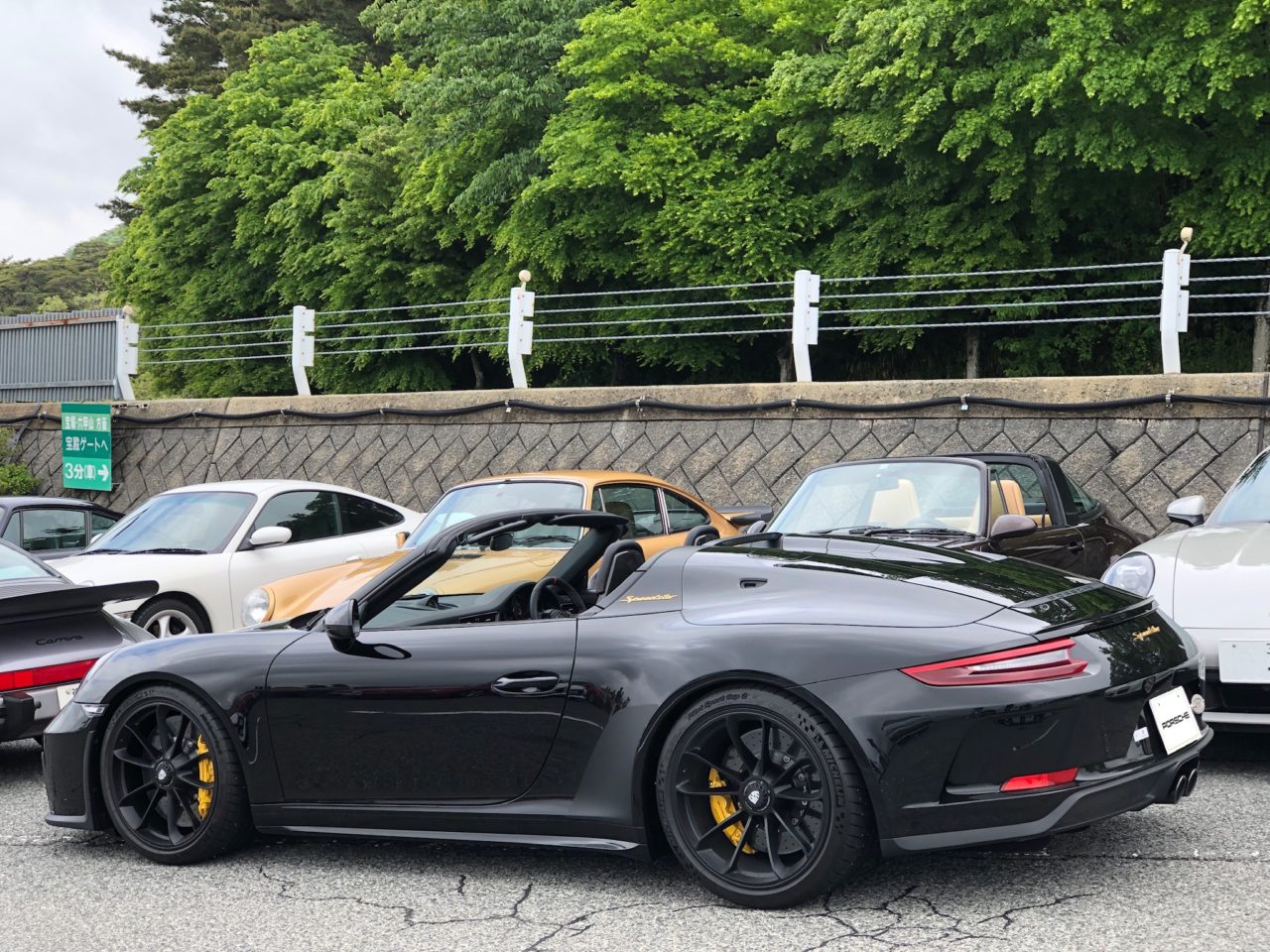
The rumored GT3 Sport Cabriolet would bring back the combination of “GT3 engine × open top × 911” for the first time since the 991 Speedster. The 991 Speedster was manual-only, and there’s a good chance this new model could be, too.
How It Differs from the 718 Spyder RS: Engine Placement Makes All the Difference
My own 718 Spyder RS also belongs in the category of open-top cars powered by a GT3 engine.
But there’s one fundamental difference: where the engine is mounted. The 718 Spyder RS is mid-engined, while the 911 has its engine at the rear. Both use a naturally aspirated 4.0-liter flat-six, yet their characters are worlds apart. The mid-engined 718 Spyder RS feels especially light at the nose, with razor-sharp turn-in as one of its defining traits. The rear-engined 911, by contrast, has its own distinctive traction, with that unmistakable sensation of being “pushed” forward as you accelerate out of a corner. It’s a reminder of just how much an engine’s location can transform the way a car drives, even when the engine itself is the same.
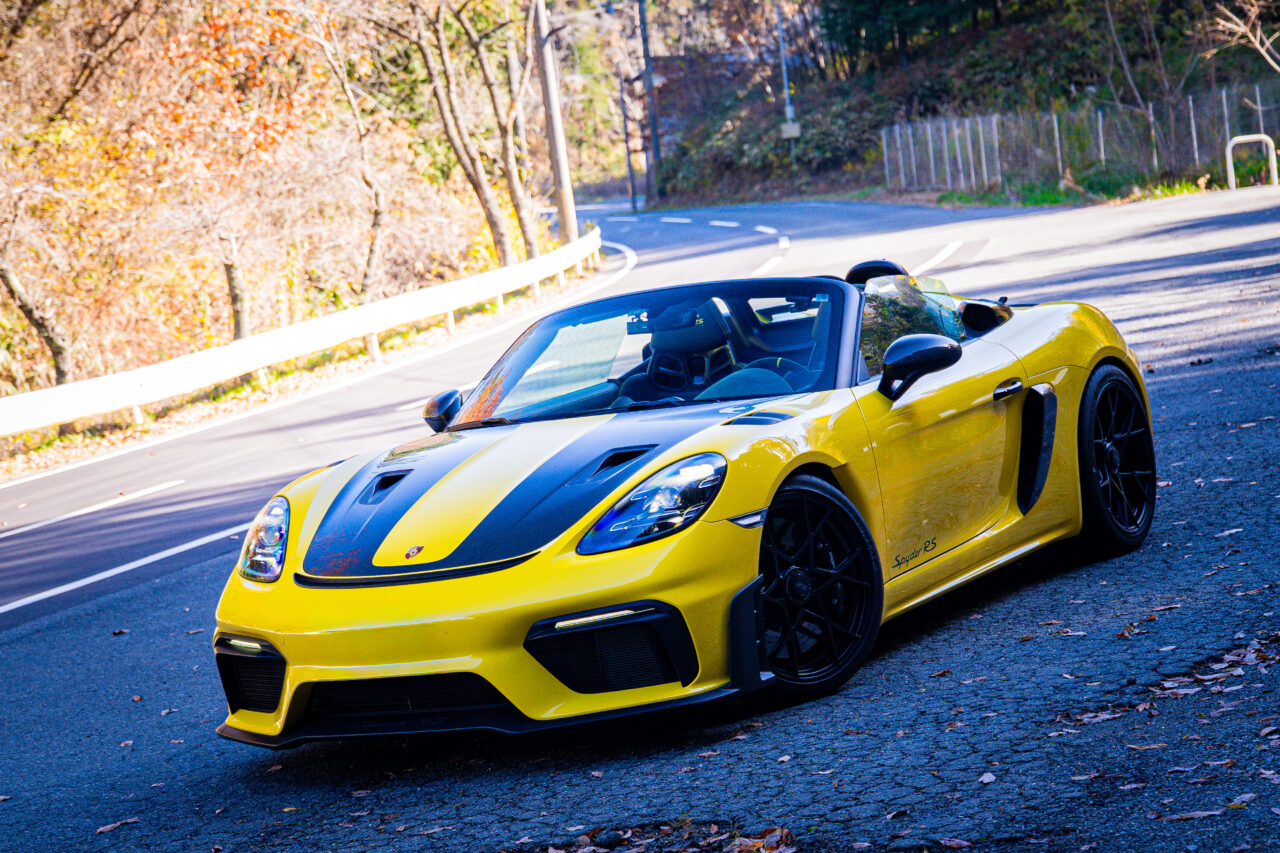
The sound will likely feel very different, too. In the 718 Spyder RS, the intake sits just behind the driver, close to your ears, so the high-revving naturally aspirated soundtrack comes straight at you. That’s a special part of the 718 Spyder RS experience, amplifying the thrill of driving with the roof down. The 911’s rear-engine layout doesn’t allow Porsche to put the intake right next to your ears. How Porsche tunes the sound for open-air driving will be one of the most fascinating things to watch.
The 992.2 Challenge: Can It Overcome the Catalytic Converter and OPF?
The new model is expected to be based on the 992.2-generation GT3.
That brings plenty of excitement, but also one concern. The 992.2 has been updated to meet emissions regulations, with enhanced catalytic converters and an OPF (gasoline particulate filter). These improve emissions performance, but also tend to quiet the exhaust. Honestly, it may be hard to expect the same glorious sound that came from the 991 Speedster’s exhaust.
Still, I think the open body could make a difference. With the roof down, engine sound doesn’t stay trapped in the cabin; it reaches the driver directly. The harmonics at high rpm and the subtle nuances of the intake and exhaust—details that can be harder to hear in a coupe—should come through with the breeze. How much can the open-air experience make up for the sound damped by the OPF? This could be a chance for Porsche’s sound engineers to show what they can do.
Could Its Official Name Be “911 S/C”? A Fresh Take on a Historic Badge
According to information I’ve obtained independently, the model could officially be called the “Porsche 911 S/C.”
The name 911 SC will ring a bell for many Porsche enthusiasts. Built from 1978 to 1983, the 911 SC—short for “Super Carrera”—was an important model that helped secure the 911’s future. Powered by a 3.0-liter air-cooled flat-six, it combined reliability with driving enjoyment and still has a devoted following. This time, though, the name is said to be “S/C,” with a slash. It’s thought to stand for “Sport Cabriolet,” but could Porsche also be tipping its hat to the historic SC?
Porsche often gives limited-edition models historically significant production numbers. The 911 S/T was limited to 1,963 examples to mark the 911’s 60th anniversary. The 991 Speedster was built in 1,948 examples, referencing the year the Porsche 356 Roadster was born. I wouldn’t be surprised if the 911 S/C also gets a production run tied to an important date. Naturally aspirated, rear-wheel drive, and likely manual-only: an open-top GT3 with this combination would be one of a kind. For drivers who want to savor Porsche’s naturally aspirated flat-six at its best, it’s hard to imagine a more compelling choice coming along anytime soon.

If you enjoy this blog, follow along.
Comment ( 0 )
Trackbacks are closed.
No comments yet.