

Is the New Porsche 911 Speedster Getting a GT3 Engine? Debut Expected This Summer
公開日:2018.05.24

A GT3 Engine for the 911 Speedster?
Yesterday, my husband excitedly told me,
“The next 911 Speedster might get the GT3 engine!”
I immediately looked up the news online, and one article said the car was “expected to be unveiled this summer.”
What Is the 911 Speedster?
That’s all well and good, but I still have so much to learn about Porsche that my first question was, “What exactly is a 911 Speedster?”
The Speedster is a traditional limited-edition Porsche model. Its signature features include a lower windscreen than the standard 911, a manually operated soft top, and a “double-bubble” design (a bit like the Boxster Spyder). It typically arrives toward the end of a model generation.
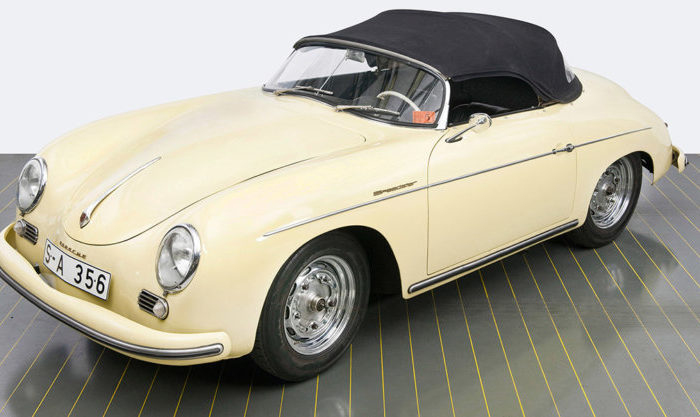
The first was the 356 Speedster, launched in 1950, with 4,722 examples built.
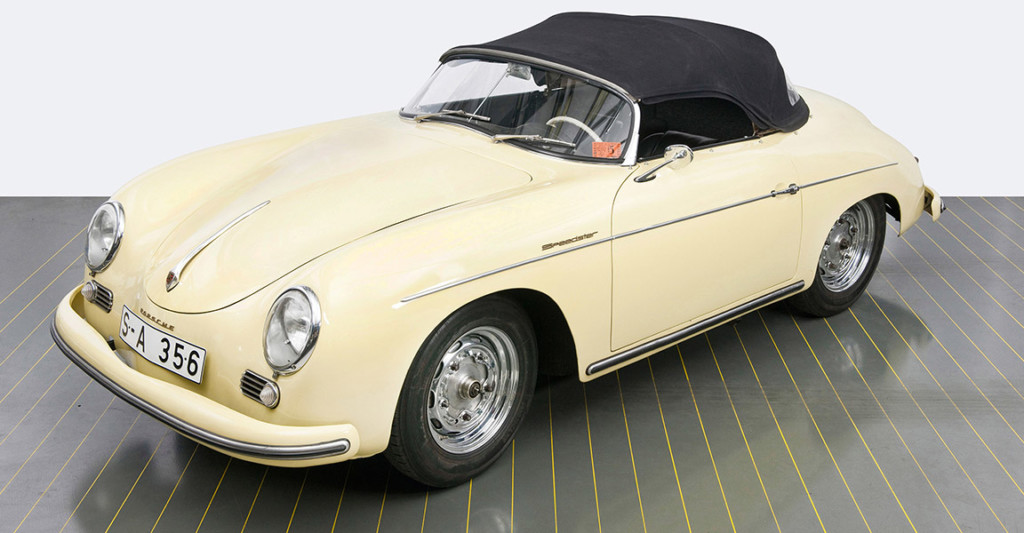
Look at the used-car market and you’ll find that most of the examples available are replicas. An original is very hard to come by.
Source: Porsche official website, “Restoration of a 1956 Porsche 356 Speedster”
The 930 Speedster arrived in 1989, with 2,065 built.
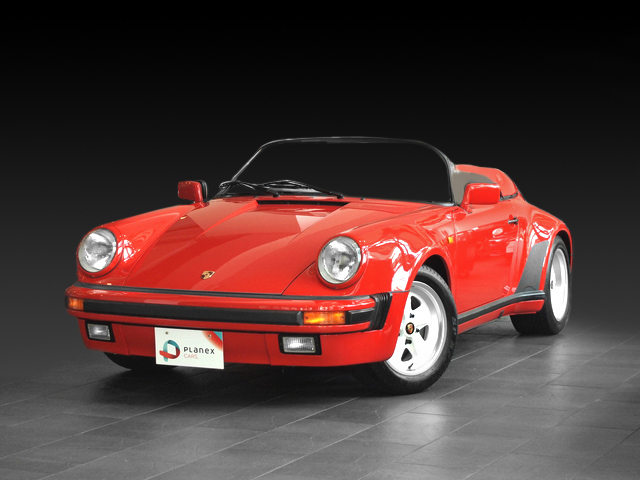
Source: PLanex CARS, “Porsche 930 Speedster Turbo Look (1989)”
The 964 Speedster followed in 1993, with around 970 examples produced.
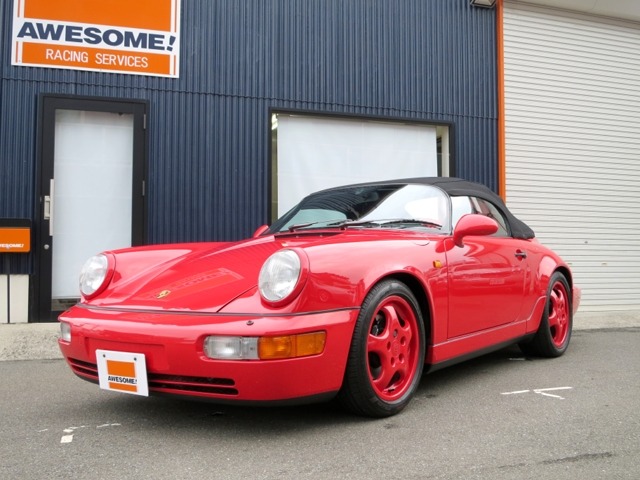
Source: Carsensor, “964 Speedster”
It looks quite a bit like the second-generation model to me, but I’m sure anyone who knows their Porsches would spot the differences straight away.
Then came the 997 Speedster in 2010. Today, it commands a huge premium, with just 356 examples built. Production numbers had dropped dramatically—perhaps a nod to the original Porsche, the 356.
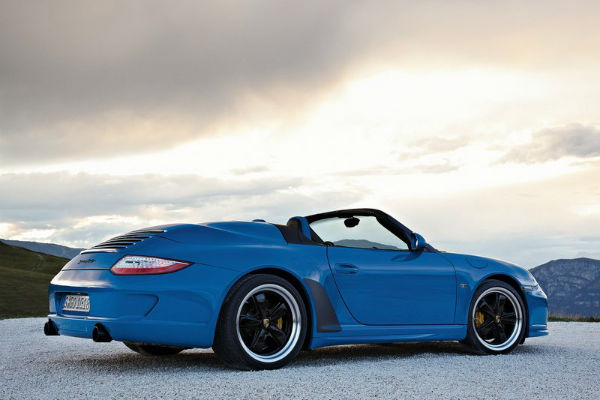
Source: Shachiraku
The new Speedster, due this year, would mark the model’s return after an eight-year break—and Porsche fans are already buzzing. As for production numbers, the rumor is that 1,948 cars will be built, a reference to the year the first Porsche was created. Here’s a spy shot.
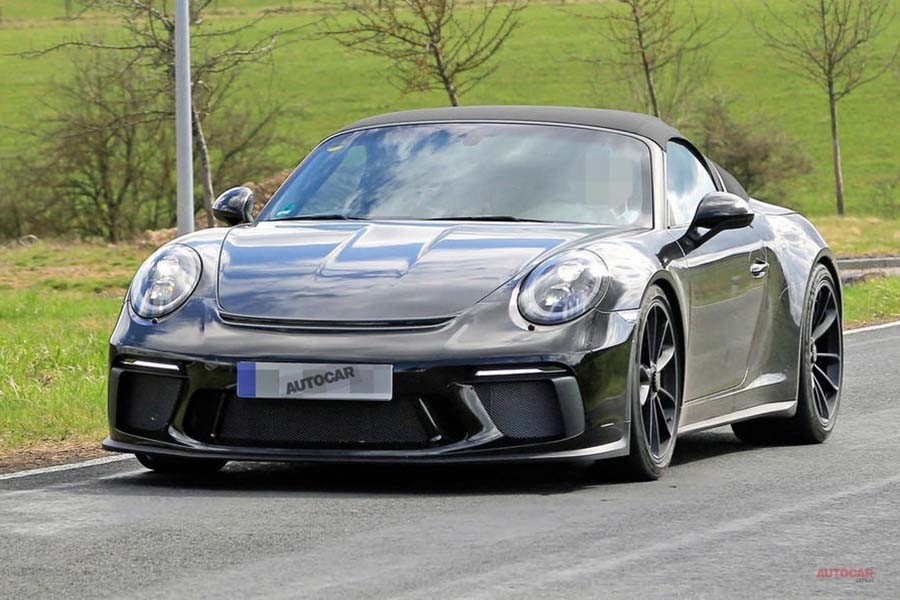
Source: carview, “Porsche 911 Speedster 991.2: Could It Get the GT3’s Naturally Aspirated 4.0-Liter Engine?”
Would a Naturally Aspirated Engine Make It a Must-Buy?
Looking at the article, my husband said, “Wow, this is incredible. If I’m buying another one, maybe I’ll skip the Spyder and go for this instead.” So I asked him, “Is having the GT3 engine really that big a deal?”
“Of course—it’s naturally aspirated. And it’ll definitely be worth more than the Boxster Spyder. Though it’ll be seriously expensive to begin with.”
He reckons it’ll cost well over ¥20 million, and could eventually climb to around ¥100 million on the collector market. I asked, “Will the 911 Speedster come with a manual, too?”
“That’s the big question. They’ll definitely offer a manual in other markets, but it might not make it to Japan. If it doesn’t have a manual and the GT3 engine, I’m not interested.”
Well, my husband is all about naturally aspirated engines, manual gearboxes, and open-top driving.
How Porsche Is Tackling Buyers Who Flip Cars for Profit
With production numbers so low, it would be a real shame if cars ended up in the hands of buyers looking to flip them for a profit. Porsche has been keeping a close eye on speculators and resellers. For certain models, Porsche assigns each car to a named customer before production begins, and buyers with a bad reputation may not even make it onto the waiting list.
A salesperson at our dealership told us they also use a lottery system, while making sure the allocation goes to someone who will genuinely cherish and drive the car.
That makes sense. A car belongs with someone who truly wants it and will take good care of it.
Still… between the 911 Speedster, the Boxster Spyder, the 911 GT3, and all the other new models constantly making headlines, I’m honestly starting to lose track of what to buy—and when! (laughs)
このブログが気に入ったらフォローしてね!
Comment ( 0 )
Trackbacks are closed.
No comments yet.