

Is This Thing a Mobile Suit?! Driving the McLaren 720S and 600LT
公開日:2019.07.09

Today’s article is my husband’s McLaren test-drive report. We hope you enjoy it!
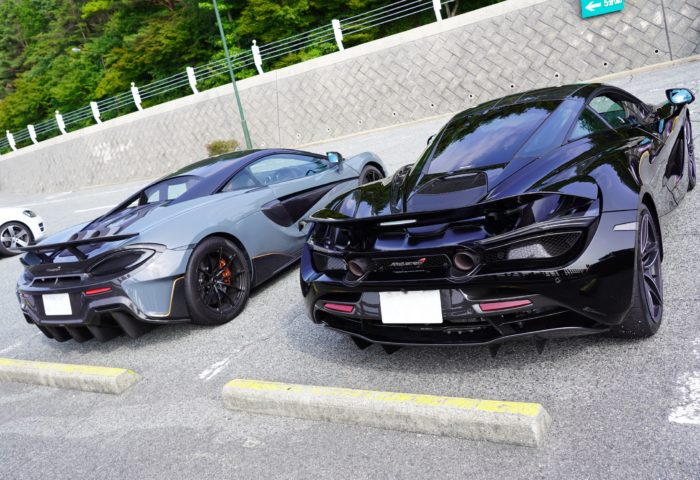
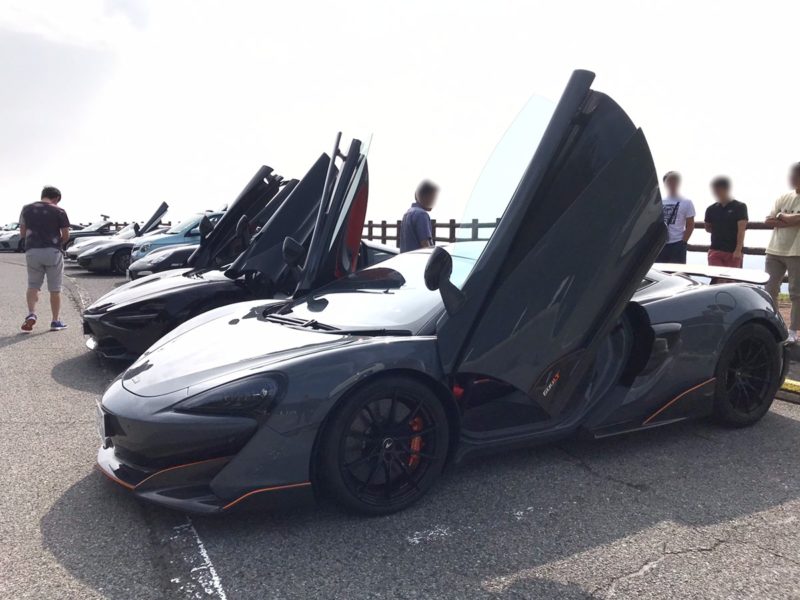
During a recent visit to the Royu Driveway, I had the chance to meet several readers of the blog in person. Among them were two brothers who each own a McLaren—the 720S and the 600LT—and they very generously offered to let me take their cars for a drive.
Here’s how the experience went.
McLaren Ownership: My Previous Experience
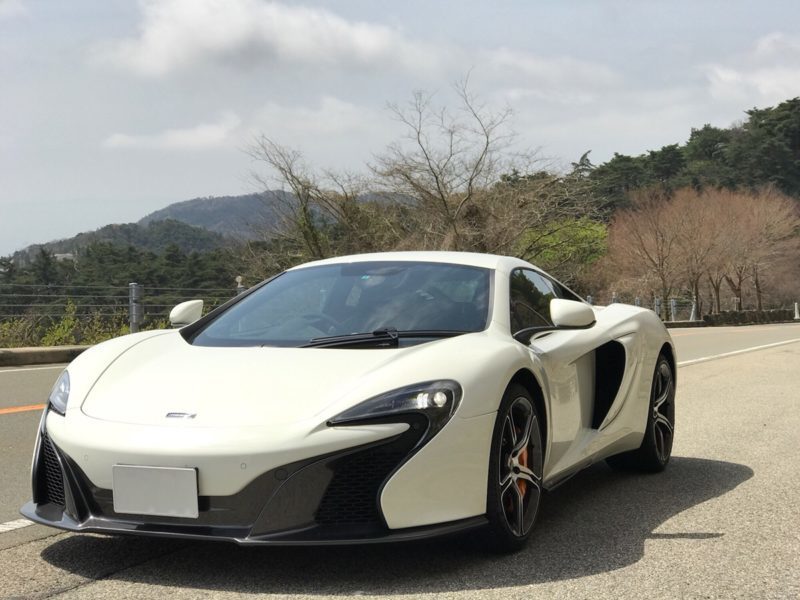
I once owned a McLaren 650S, albeit for a relatively short time. My personal impressions were:
- Mind-blowing handling and performance
- Ferocious acceleration and power
- An overwhelming road presence
- An engine note that could get a little grating
- Gear changes that felt a bit slow to respond
- Suspension that made extended drives around town tiring
- A car that could wear you out on long-distance trips
In short, it was an outstanding performer, but it didn’t really suit the way I used a car or what I enjoy about driving. After about a year, I let it go—I wasn’t driving it much anyway.
I later test-drove a 570GT at a dealership, but its driving character didn’t quite click with me, so I didn’t buy one. I was interested when the 720S came out, too, but figured, “It’ll probably feel a lot like the 650S,” and never bothered to try it.
McLaren 720S: A New Benchmark for the Driving Experience
This time, completely by chance, I got the opportunity to get behind the wheel of a McLaren again. I pressed the start button, and the engine fired up with a whoosh—its exhaust note noticeably lighter than the 650S’s.
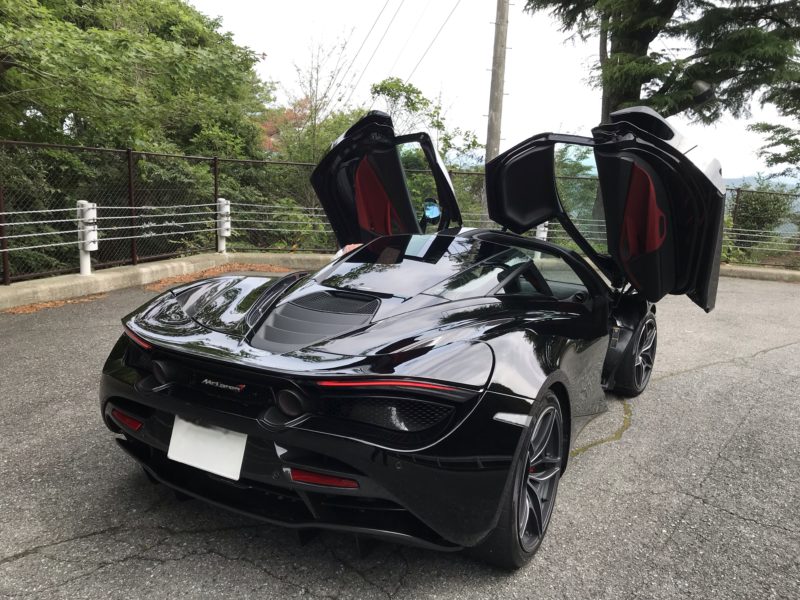
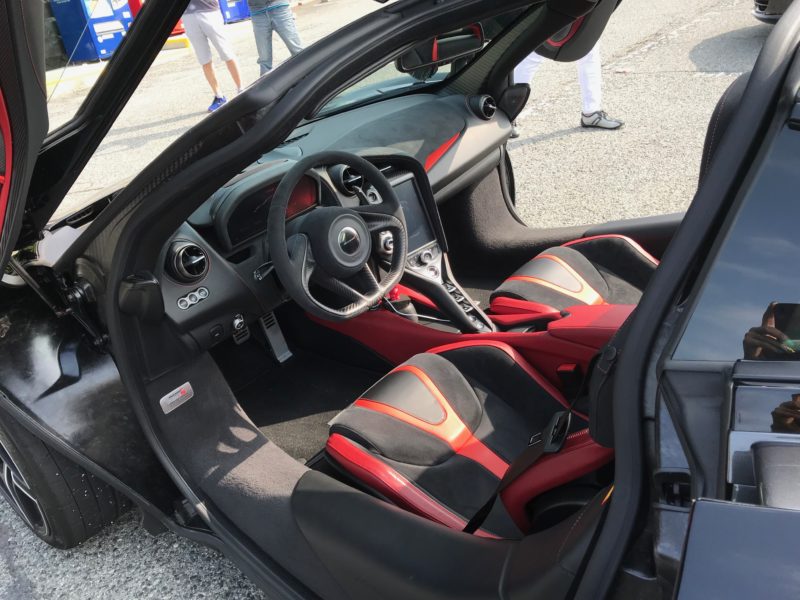
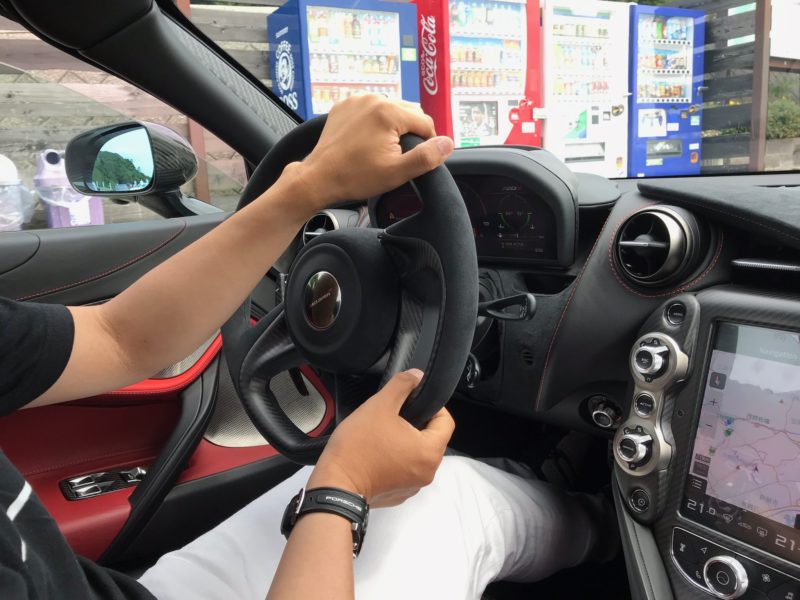
I selected Drive and pulled away. Right away, I could feel the suspension working beautifully. The 720S features the second-generation version of McLaren’s signature hydraulic system, which links the front and rear suspension across the car: Proactive Chassis Control II.
I took the first couple of corners slowly. Compared with the GT3, the 720S responds more quickly at turn-in: even a small steering input sends the car changing direction immediately. Yet the lateral G builds smoothly, without any suddenness.
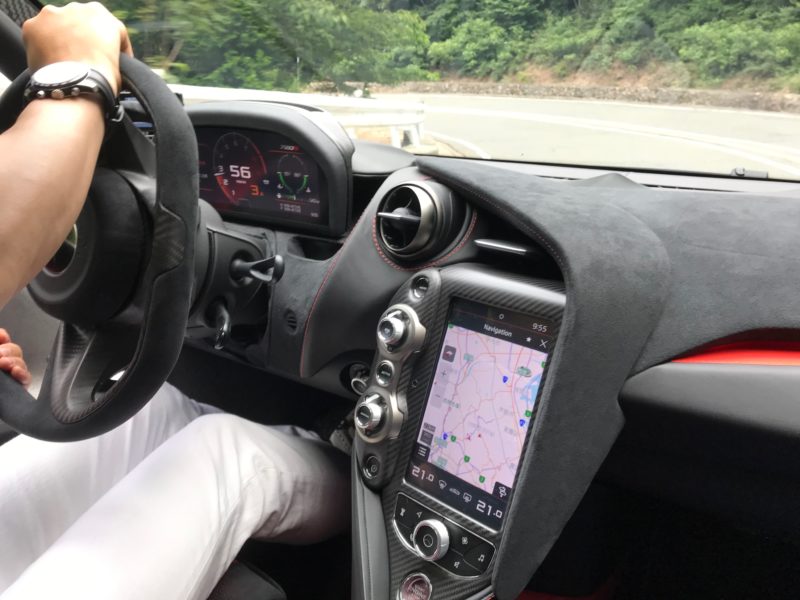
As I picked up the pace, the car remained astonishingly precise. It carved through corners as if glued to the road. High-performance cars often feel like they’re suctioned to the surface when you push them hard at high speeds, but the 720S delivers a similar sense of grip and connection even at the lower speeds you’d use on an ordinary winding road.
I don’t want to overstate it, but when I test-drove a GT-R, I remember thinking, “Anyone could drive this car quickly.” The 720S, to me, takes that idea to an even higher level.
What is this thing? It’s so much better than the 650S!
The paddle shifters responded quickly, changing gears with satisfying precision. Press the accelerator, and a wonderfully smooth, even-toned “whoooosh” pours from the exhaust. It’s neither obnoxiously loud nor too quiet. The sound is just right—you can really enjoy the exhaust note.
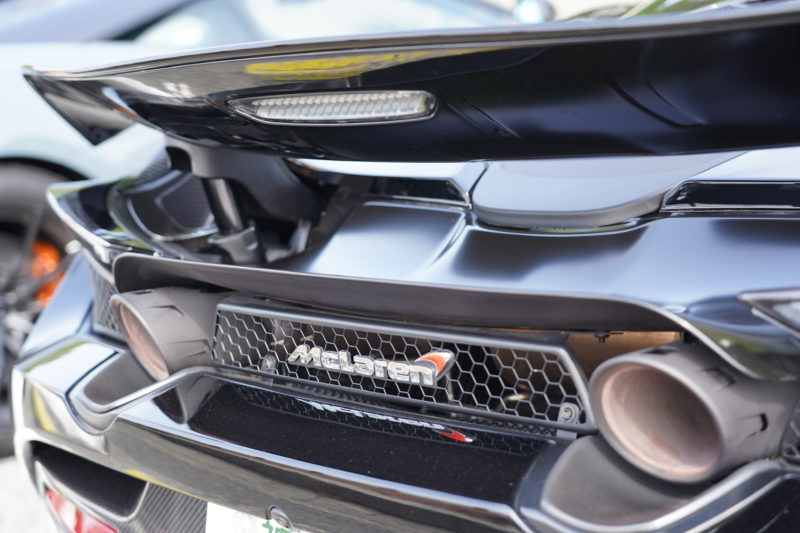
The 650S had a harder, more metallic engine note—a grumbling sound, as if the tightly wound engine were straining to squeeze out every last bit of power. I wouldn’t have called it especially pleasant, but the 720S sounds genuinely wonderful.
Its power delivery is different, too. Unlike the 650S, which seemed to unleash a sudden surge of torque partway through the rev range, the 720S is more progressive. The power builds smoothly with the revs, almost like a naturally aspirated engine. Of course, it’s absurdly quick when you put your foot down, but the engine responds linearly to small changes in throttle, with none of the disconnect that can make a car feel unnatural.
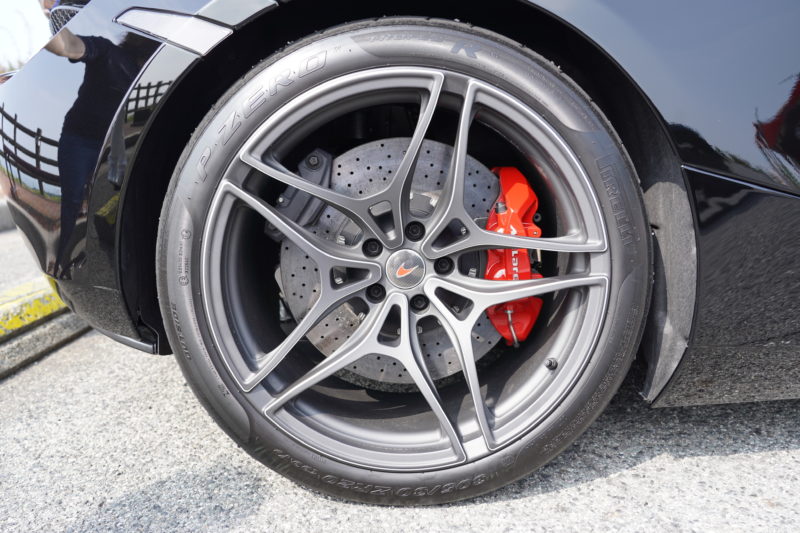
The 650S’s brakes felt very firm and difficult to modulate unless you pressed hard. The 720S, by contrast, is remarkably user-friendly; switching from a Porsche or another car felt completely natural.
I’m buying one! Someday, I’m buying one!
My wife later told me I’d been saying that out loud over and over while I drove.
That’s just how impressive the 720S’s progress was. The owner described it as feeling “about two generations ahead of the 650S,” and I could tell he wasn’t exaggerating. The difference was unmistakable.
McLaren 600LT: A More Focused Driving Experience
When I returned from the 720S drive, the owner kindly said, “If you’d like, please take the 600LT out, too.” I was delighted to accept.
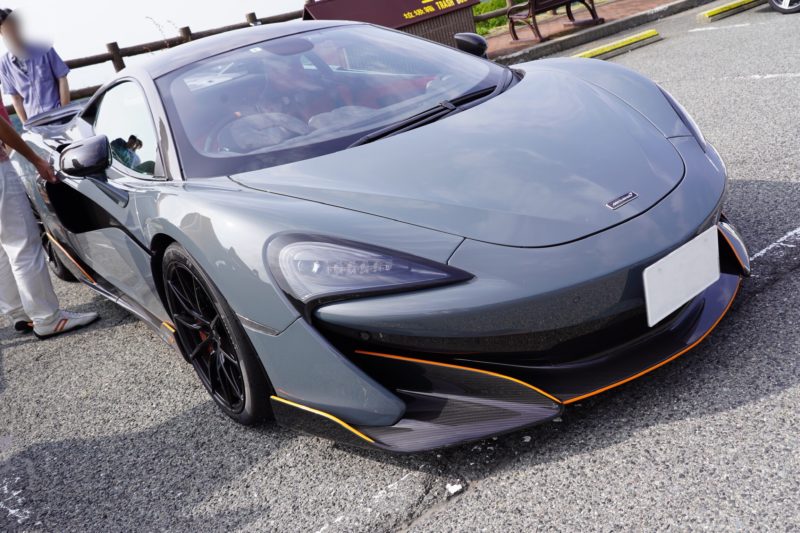
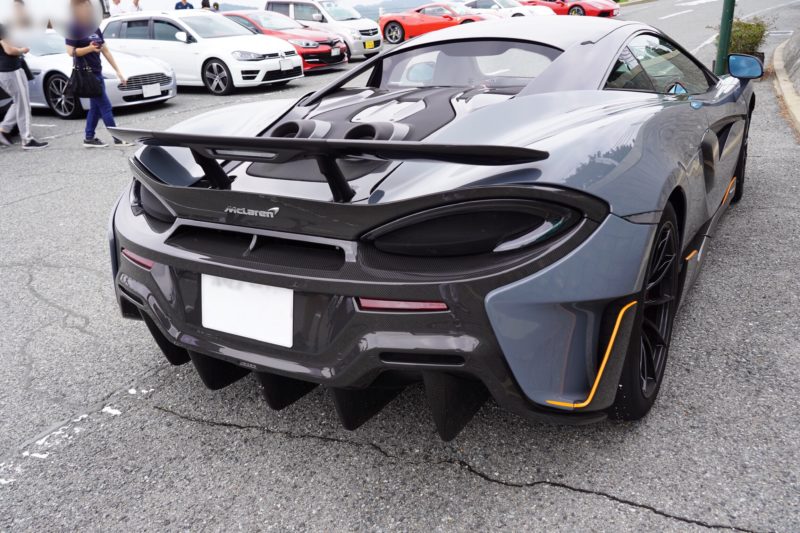
The 600LT is a rare sight. It wasn’t a limited-edition model, but production numbers were low, so you hardly ever come across one. Based on the 570S in McLaren’s Sports Series, it’s a high-performance model bearing the marque’s storied LT, or Longtail, designation. This particular car was fitted with optional Senna seats, the carbon-fiber seats also used in the McLaren Senna from the Ultimate Series.
These ultra-lightweight bucket seats have pads in the areas that bear the most pressure, with a deep shell that supports you all the way up to your shoulders.
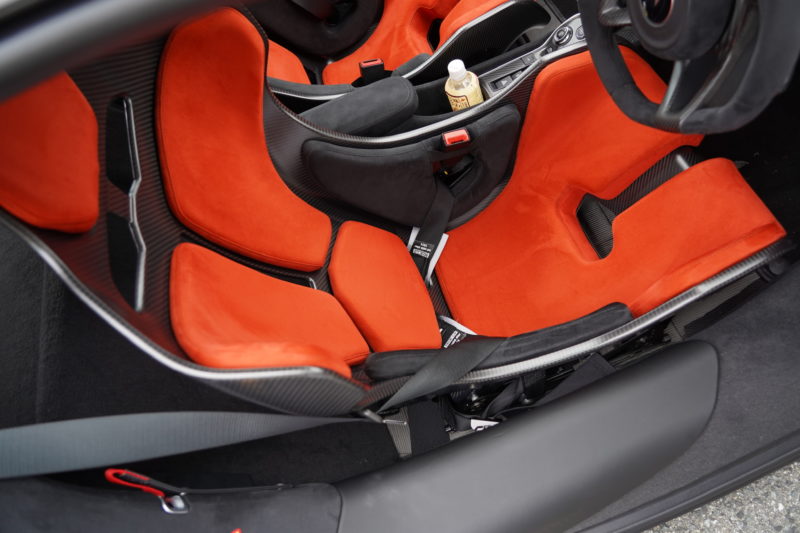
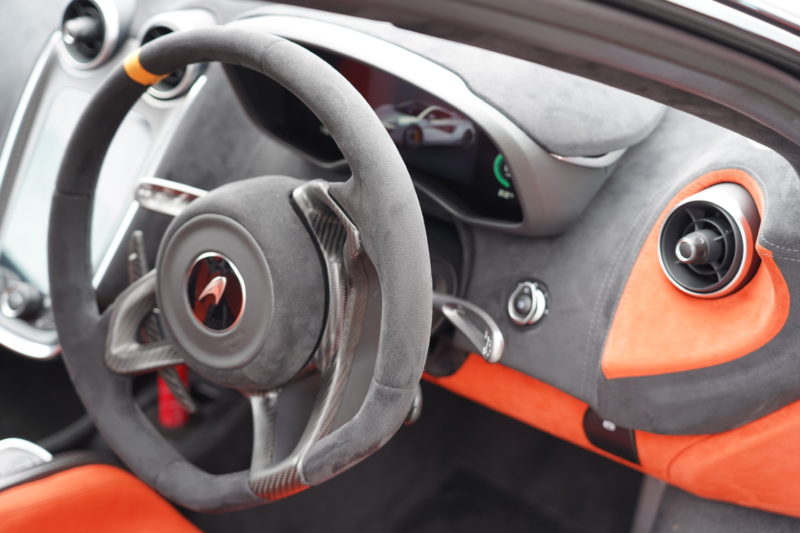
True to its LT badge, this is a car built primarily for the track. Given my driving skills—and the fact that we were on ordinary winding roads—I knew I wouldn’t be able to explore its full potential. Still, I settled into the Senna seat and started the engine.
The 600LT has a 3.8-liter V8, compared with the 720S’s 4.0-liter unit. Its startup sound felt deeper and more substantial than the 720S’s, with more mechanical noise in the mix. Still, it wasn’t as pronounced as in the 650S. To my ears, it landed somewhere between the two.
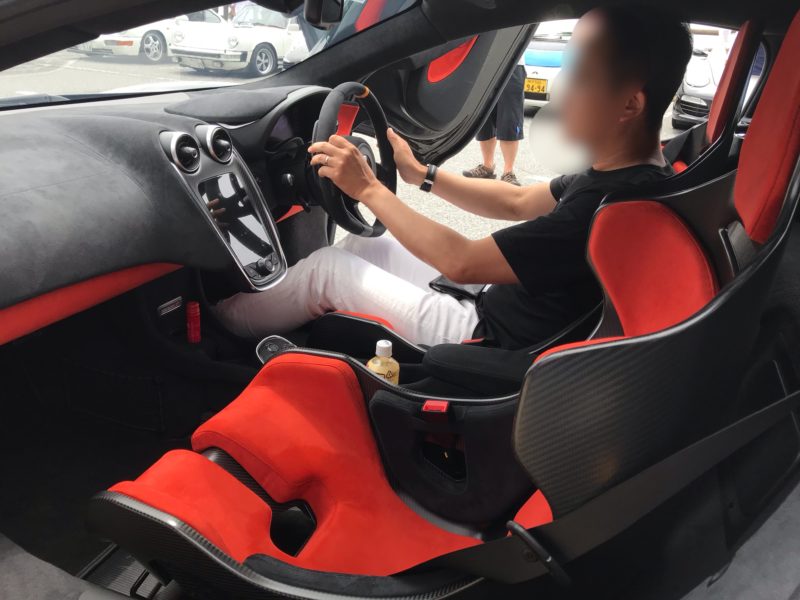
I set off and took the same corner at about the same speed as in the 720S. I’d expected the 600LT to feel sharper and more hardcore, but that wasn’t quite the case. To me, the 720S felt more immediate at turn-in, while the 600LT responded more gently at first. Beyond that initial steering input, though, they felt much the same.
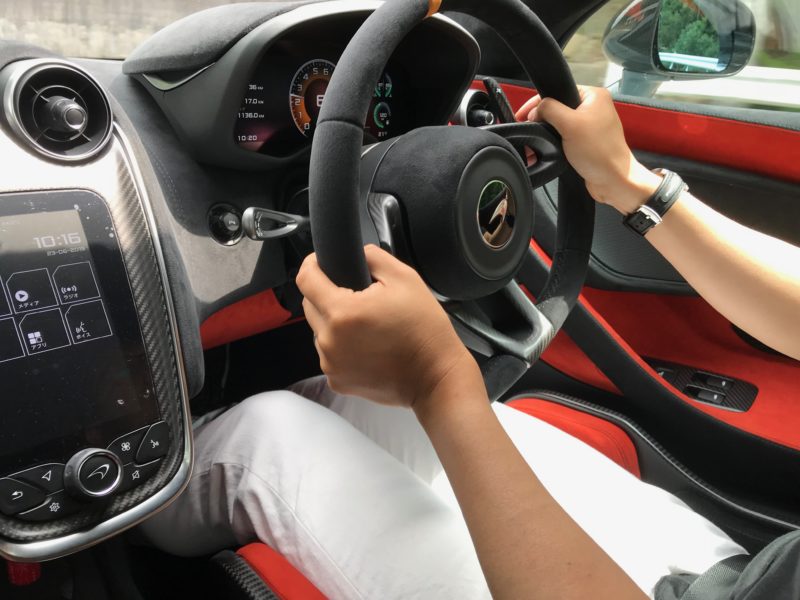
The biggest difference was ride comfort. The 600LT is more track-focused and doesn’t have Proactive Chassis Control, which may explain why its ride is firmer and sends more of the road’s bumps and imperfections through to the cabin. That said, it wasn’t uncomfortable. On well-maintained roads, it was perfectly manageable.
The engine sounds more aggressive, closer to the 650S—more like a race car. Its torque doesn’t suddenly surge at a certain point in the rev range the way the 650S’s did, so there’s a bit of progress there, too. Downshift into a corner, and the 600LT’s astonishing grip is every bit as impressive. It turns as if it’s suctioned to the road.
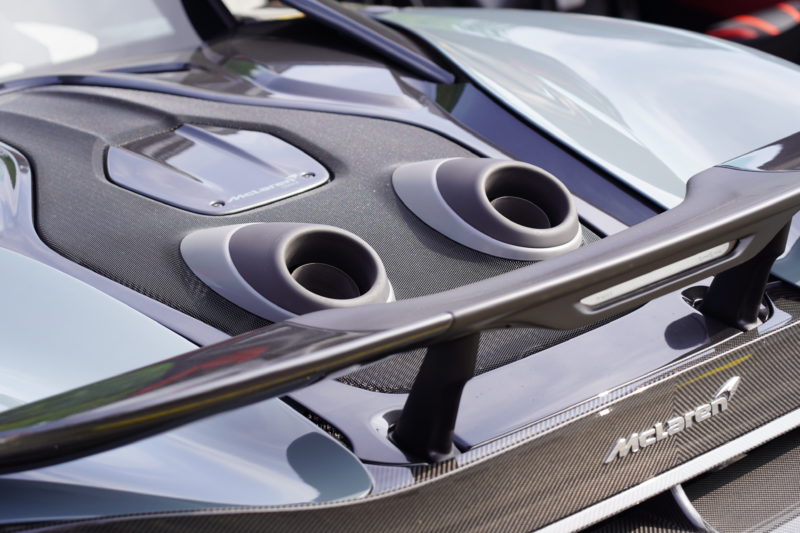
What stood out most was the Senna seat’s support. The deep carbon shell wraps around your shoulders, so even under lateral G, your upper body stays firmly in place. That makes the steering easier to work and lets you drive with confidence, without having to brace yourself. I imagine that level of support could make a real difference to lap times on track.
McLaren 720S and 600LT: Final Thoughts
The test drives were brief, so this is no more than a first impression. Even so, all I can say is: “McLaren’s handling and performance are incredible.” We often talk about a car and driver moving as one, but with McLaren, it feels more accurate to describe it as a seamless connection between driver and machine.
It feels as though your body’s movements translate directly into the car’s actions.
So, “How does it compare with a Porsche?” The McLaren feels more like a machine, and more digital in every respect. It seems to compensate for small driving mistakes, correcting an error from zero to one, so to speak.
A Porsche, on the other hand—even a modern Porsche, not to mention an air-cooled one—still feels a little more analog. Your skill behind the wheel comes through in your weight transfer and in when you get on and off the throttle. That’s why, when it comes to “the joy of driving a car you can truly control,” I personally prefer Porsche.
Even so, right now, I’m completely blown away by the 720S.
There’s a famous line from Char Aznable in the anime *Mobile Suit Gundam*: “I’ll show you that the difference in mobile suit performance alone doesn’t determine the outcome of a battle.” But after driving a McLaren, I felt as if the car had taught me the opposite: “The difference in mobile suit performance really can decide the battle.”
That’s how extraordinary these machines are.
The 720S seems comfortable enough for everyday driving and capable of long-distance trips, too. If I were to buy one, I’d love to have a 720S Spider with every possible luxury and comfort option.
After this test drive, I feel motivated again to set my sights on a new goal. Now I just have to figure out how to make it happen—and get to work.
A huge thank-you to the owners of the McLaren 720S and 600LT for letting me enjoy this rare experience.
このブログが気に入ったらフォローしてね!
Comment ( 0 )
Trackbacks are closed.
No comments yet.