

Test-Driving the Porsche Macan: How Does It Feel to a Cayenne Owner?
公開日:2021.05.13
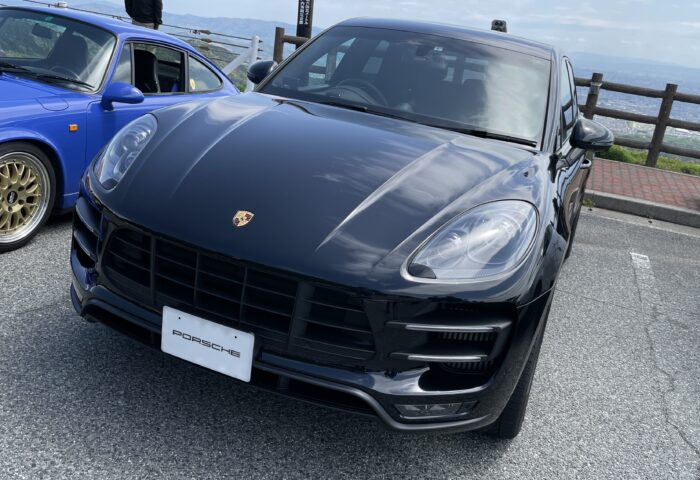

My husband had the chance to test-drive an acquaintance’s Porsche Macan Turbo, and he’s written up his impressions. We hope you enjoy reading his review.
コンテンツ
Porsche Macan Turbo Ride Comfort
We’ve written about plenty of Porsche test drives on this blog, but for some reason, the Macan has barely featured. The only article we had was a review of my brother’s Macan Turbo.
Quite a few years have passed since then, and I’ve gained more experience with Porsche cars. I’d been wanting to take another look at the Macan—and, as luck would have it, I got the chance to test-drive a Macan Turbo. Here are my impressions.
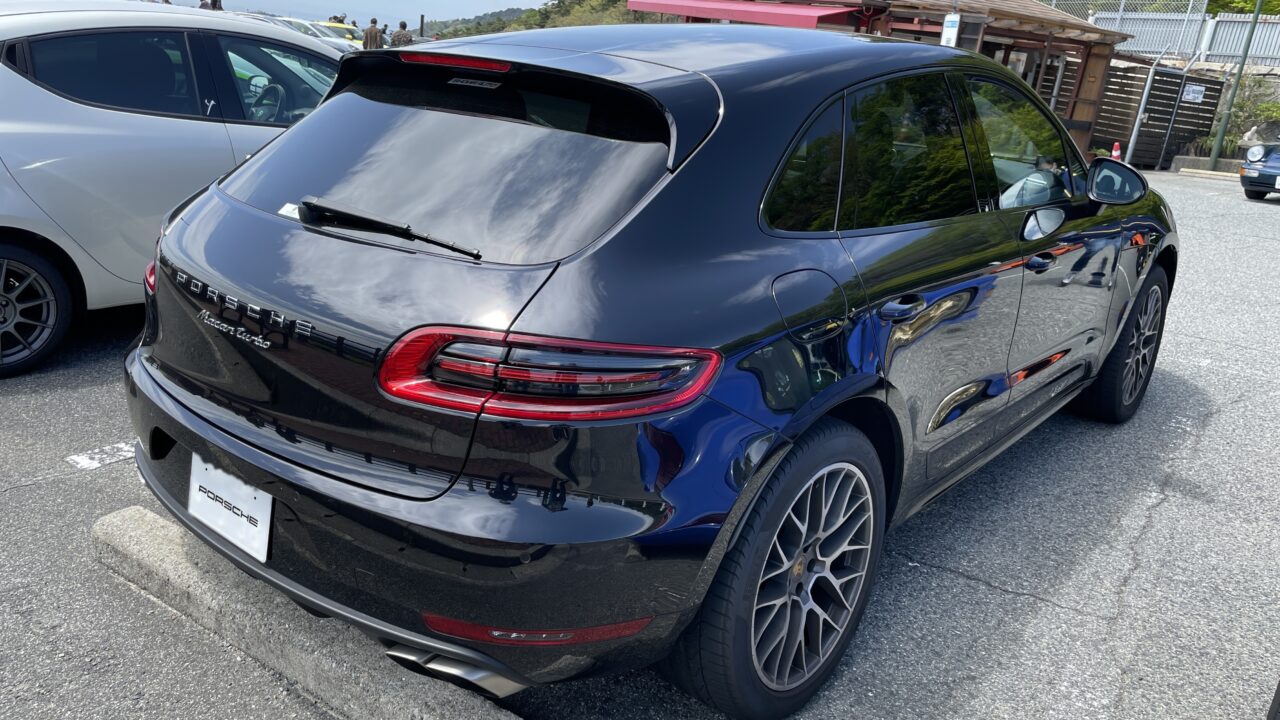
The Macan I drove was a 2015 model. The Macan has yet to receive a full redesign, so although it’s a 2015, it belongs to the current generation. It’s an early version, however, as the model has had several updates since then.
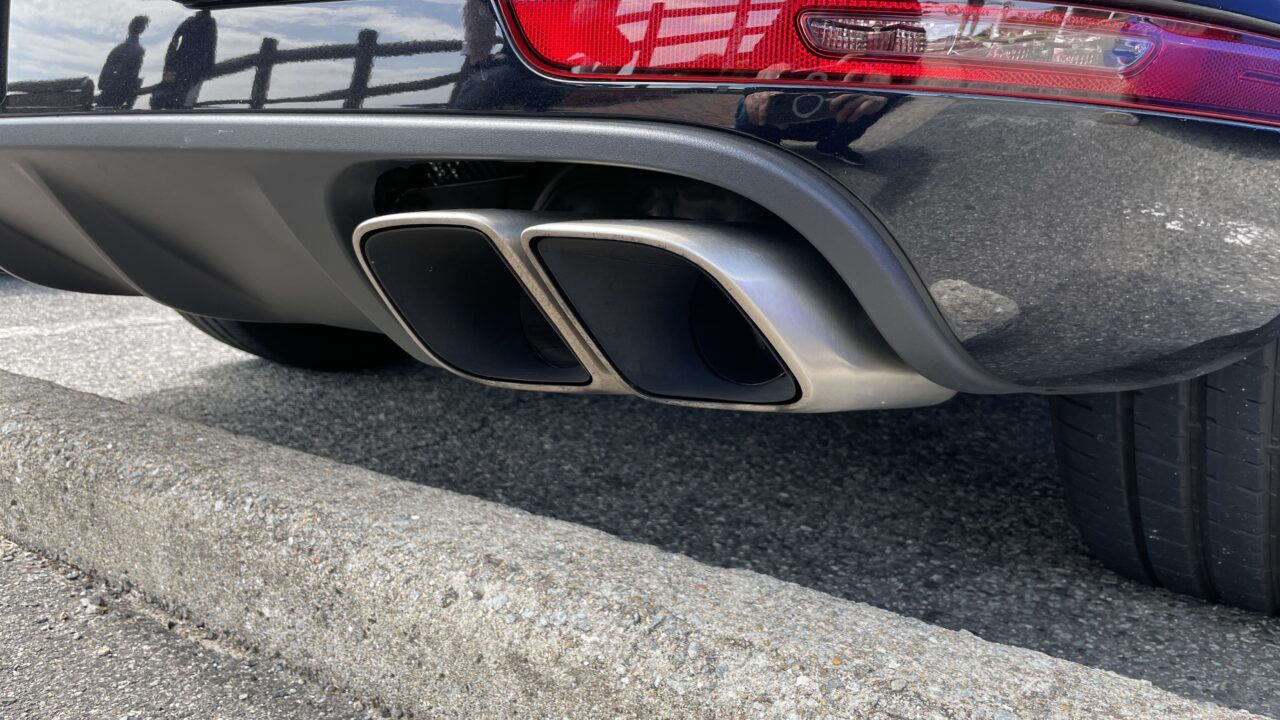
Square exhaust tips reserved for the Turbo
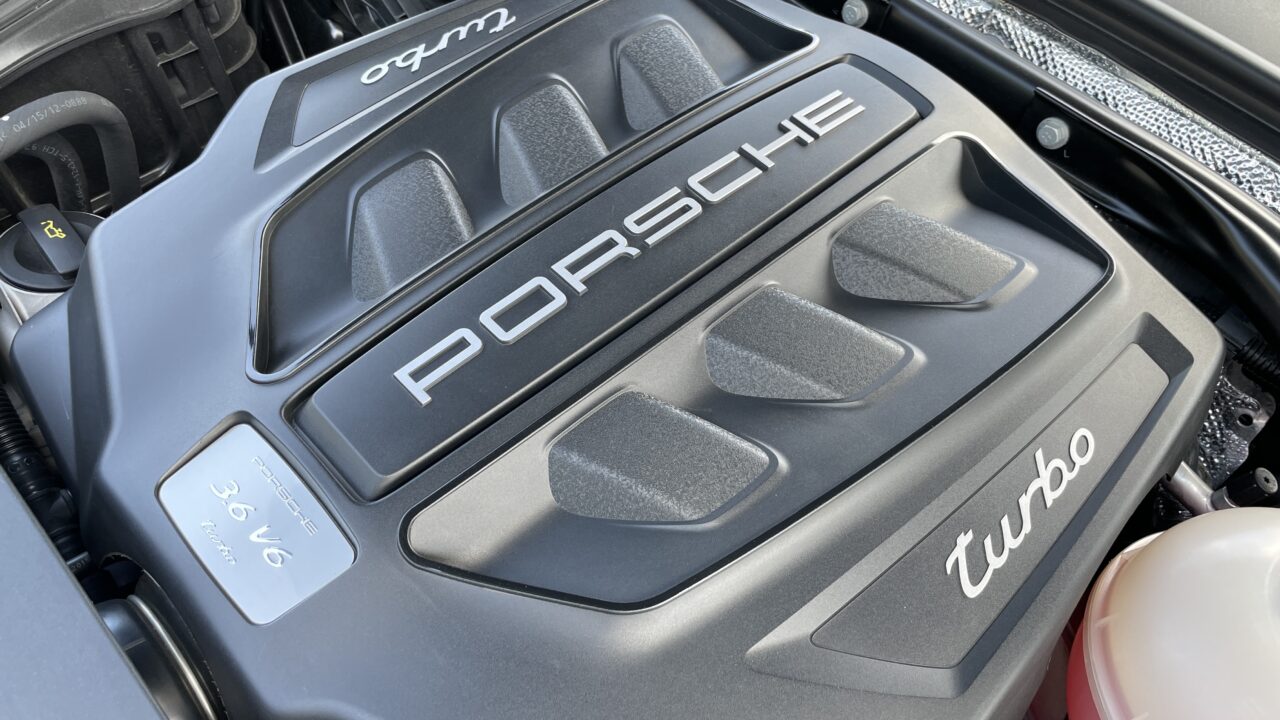
Unlike the current 2.9-liter engine, this one is a 3.6-liter twin-turbo V6 producing 400 PS and 550 N⋅m of torque. This car wasn’t equipped with the Sport Exhaust System, but the engine and exhaust still sound impressively assertive for an SUV.
With a top speed of 266 km/h and a 0–100 km/h time of 4.6 seconds, it’s no surprise that performance is never an issue once you’re underway. Low-end torque is more than ample, takeoffs are smooth and refined, and the PDK’s shift shocks are minimal.
This car was fitted with air suspension and PASM, and it works beautifully. As I mentioned in my previous Macan Turbo review, I’m particularly fond of the air suspension’s setup.
It retains a luxurious sense of smooth, high-quality tire roll while still delivering plenty of road feel and an impressively flat ride. Select Sport or Sport Plus, and the suspension transforms into something you’d expect from a sports car.
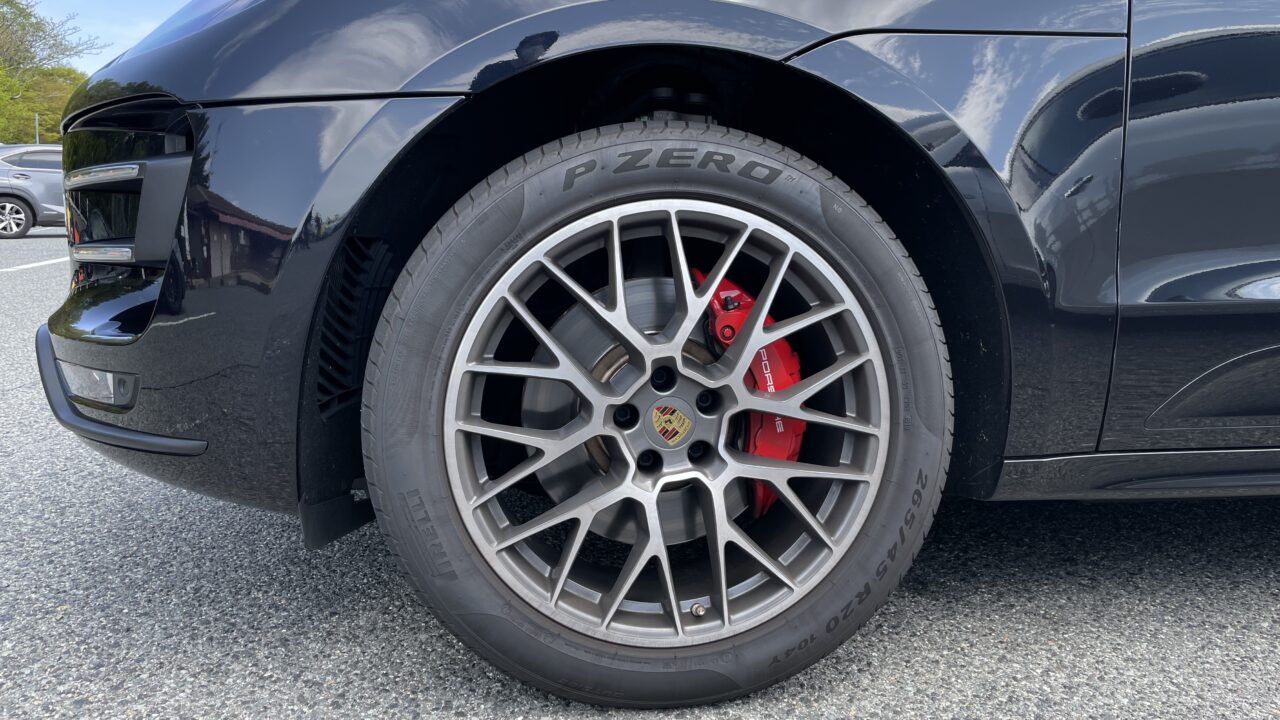
20-inch RS Spyder Design wheels
Compared with the current Cayenne, the Cayenne has the edge in ride comfort and luxury. But don’t get me wrong: that doesn’t mean the Macan is short on comfort or refinement.
It’s simply that the Cayenne rides exceptionally well.
The Macan feels planted, as if it’s firmly pressed into the road, with a reassuringly solid core. It never feels unsettled or wobbly, even under moderate lateral G-forces. Over rough pavement, you do hear some thumps, but the impacts are very small and well rounded.
If I had to point out one difference from the Cayenne, it would be that the Macan makes slightly more noise and transmits a little more vibration when crossing rough or uneven surfaces.
But that’s a comparison between the two. In everyday driving, I doubt most people would find anything to complain about in the Macan’s ride comfort.
Taking the Macan on a Winding Mountain Road
As I turned through the corners on Royu, my first thought was, “This feels like driving a sports car with a much lower ride height.”
The Cayenne feels like a tall SUV that can be driven surprisingly sportily. The Macan takes that formula and makes it more compact, giving you the sensation of driving a much lower car.
In terms of feel, it’s like driving something about the size of a Golf Mk7: just over 1,800 mm wide and around 1,500 mm tall.
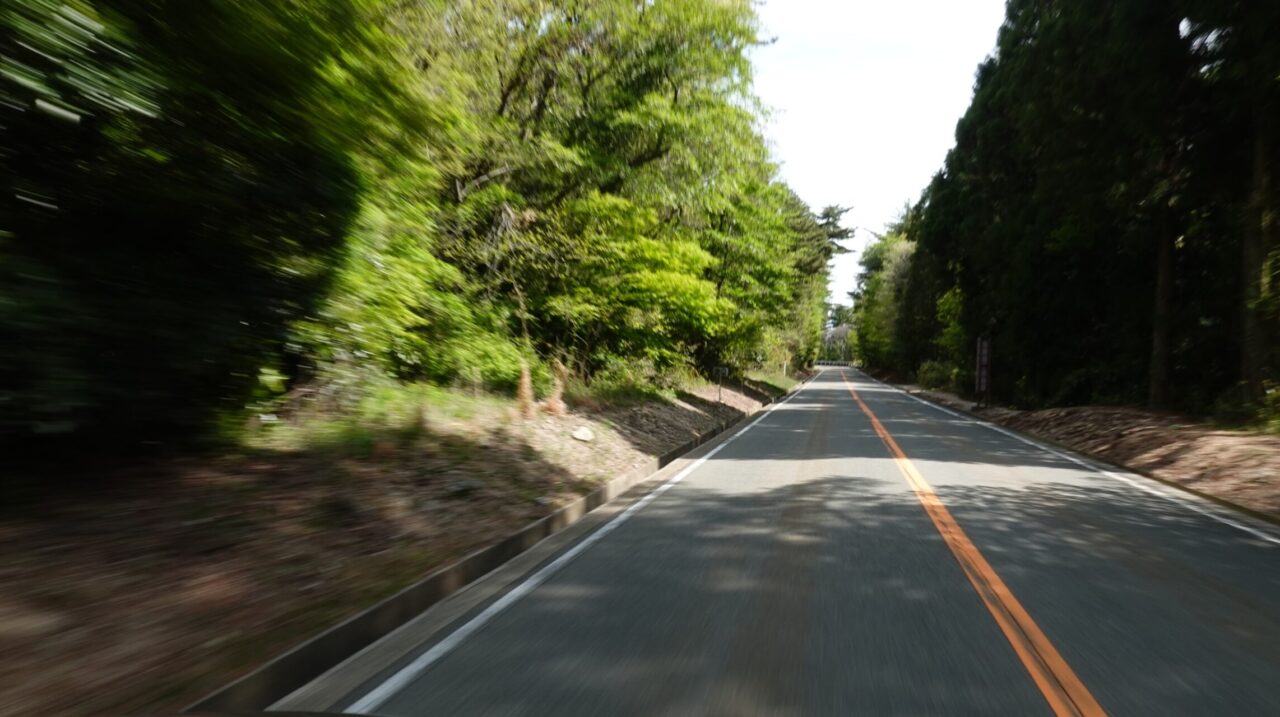
The Macan’s agility is so impressive that you’d never guess it’s 1,925 mm wide and 1,610 mm tall. Its cornering confidence and speed feel closer to a 911, Cayman, or Boxster than to a Panamera or Cayenne.
It flows through S-bends, shifting its weight smoothly from side to side before sweeping through each corner without fuss.
This particular car was equipped with Porsche Torque Vectoring Plus, which must help. It corners so well it almost makes you laugh. When you’re focused on driving, you barely think about the fact that it’s an SUV. It turns in eagerly and carves through corners.
It feels like driving a sports car. Then you ease off the pace and come back to your senses: “Oh, right—this is an SUV.”
I’ve driven plenty of high-performance cars here. Some are certainly faster than the Macan, but few behave as beautifully, communicate so clearly to the driver, and respond so faithfully to the basics of good driving.
That, more than anything, is what makes it feel like a Porsche.
Other manufacturers have a hard time getting this right. I think Porsche is so enjoyable to drive because its cars are easy to handle in a way that speaks to your instincts, with responses that feel natural and predictable.
The Macan’s Engine and Transmission
The engine is undeniably powerful, and there’s no shortage of acceleration. Its performance feels every bit as strong as the claimed 0–100 km/h time of 4.6 seconds. In Sport or Sport Plus, the pleasing pops and burbles make the car feel even more eager.
The transmission deserves special mention: the PDK. One of the biggest differences between the Cayenne and Macan is their transmissions. The Cayenne uses the Tiptronic S, a conventional torque-converter automatic, while the Macan uses the PDK dual-clutch transmission.
I’ve heard that the Cayenne uses Tiptronic S by design because it’s also intended for demanding off-road driving and towing.
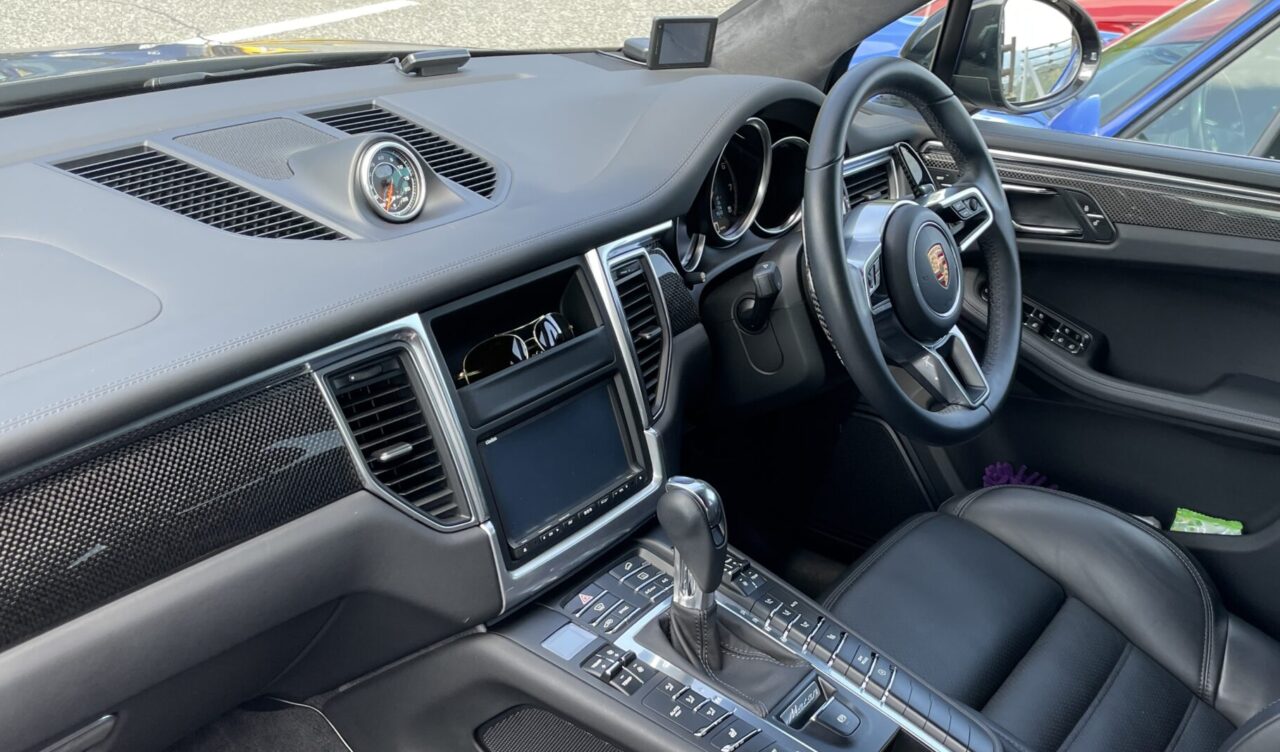
The current Cayenne’s Tiptronic S is an excellent transmission, but when it comes to sporty driving, it can’t quite match the PDK. The PDK in this Macan Turbo responds brilliantly—its shifts are lightning-fast.
And the sound it makes as it shifts is fantastic. Just like the PDK in a 911, it shifts up with a satisfying “ka-chunk, ka-chunk!” On the way down, it gives a quick “vroom!” as it matches the revs perfectly.
It’s an absolute joy to drive. I suspect any car enthusiast would find themselves grinning after experiencing it.
The Macan ≒ (911 + Cayenne) ÷ 2
I took my time, mixing relaxed driving with a more spirited pace to get a feel for the Macan. It’s a very different car from the Cayenne, despite the similarities. The two have distinctly different personalities.
After the test drive, I thought about who the Macan would suit best. Setting aside practical factors like parking-space dimensions and budget, if you already own a 911, Cayman, or Boxster and are considering a Macan as your second Porsche, you might want to think twice.
That’s because the Macan is so sporty that it overlaps somewhat with the character of a 911 and the other sports cars.
In that situation, I think the Cayenne might make a better second Porsche.
On the other hand, if you want a 911, Cayman, or Boxster but need to carry your family and can only own one car, I’d choose the Macan over the Cayenne. It’s sporty enough to satisfy you on a solo weekend drive through the winding roads. If I had to sum up the Macan in an equation, it would be this:
Macan ≒ (911 + Cayenne) ÷ 2
After driving it, I came to see that power isn’t the Macan’s defining strength. This was a Macan Turbo, so its power was certainly a big part of the appeal—but it isn’t the whole story.
If you’re after an SUV that’s all about straight-line acceleration and explosive speed, you may be better off looking at other brands. But if you’re the kind of enthusiast who appreciates exceptional chassis balance and a beautifully tuned suspension, the Macan is absolutely worth driving.
The Macan really is a masterpiece. That’s exactly the impression it left me with.
このブログが気に入ったらフォローしてね!
Comment ( 0 )
Trackbacks are closed.
No comments yet.