

Test-Driving the Porsche 911 Carrera (991.1): Why the Base Carrera Gets It Right
Published: 2021.11.04
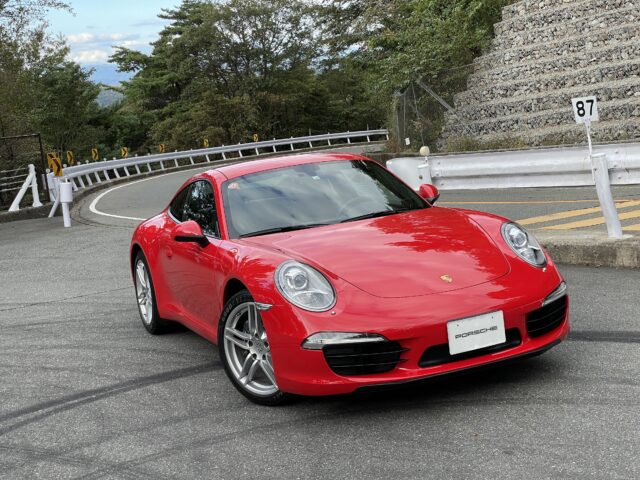

Since buying a 991.1 Carrera 4 GTS, I’ve become completely smitten with the first-generation 991. Recently, I had the chance to drive a base 991.1 Carrera, so I’d like to share my impressions—and explore what makes a standard 911 so appealing.
コンテンツ
Why Do Experienced Porsche Owners Come Back to the Base 911?
Even before I owned a Porsche, I’d heard this time and again: respected automotive journalists and people who have owned several Porsches often say that the base 911 is the best one.
There was a time when I’d hear that and think, “That can’t be right. The higher trim costs more, so it has to be better. Speed and power are what matter—give me a Turbo or a GT3!”
After buying and owning several Porsches—and driving everything from the 356 to the latest Taycan—I’ve finally begun to understand what they mean.
Porsche Takes a Different Approach to Its Model Range
People buying their first Porsche often assume it works like many other brands: the higher trim is the fully loaded one, and buying the top model means getting all the capabilities of the lower models, and then some.
So at first, many buyers are drawn to the upper trims by their place in the lineup or their more aggressive looks. They assume that choosing a higher-grade model means getting more power, more comfort, and more driving enjoyment than a lower-grade car.
That assumption is partly right, but it doesn’t really hold true for Porsche.
Take the base 911 and the GT3 as an extreme example. They aren’t suited to the same kind of use—in fact, they’re very different in what they do well. Compared with the base 911’s versatility, the GT3 is an expensive car with fewer comfort features and less sound insulation, plus gearing and an engine powerband geared firmly toward the track. In other words, being a higher-end model doesn’t mean the GT3 encompasses everything the base 911 can do.
By contrast, higher trims and special performance models from other manufacturers may offer more power and equipment, but they’re often still designed to be practical enough for everyday use.
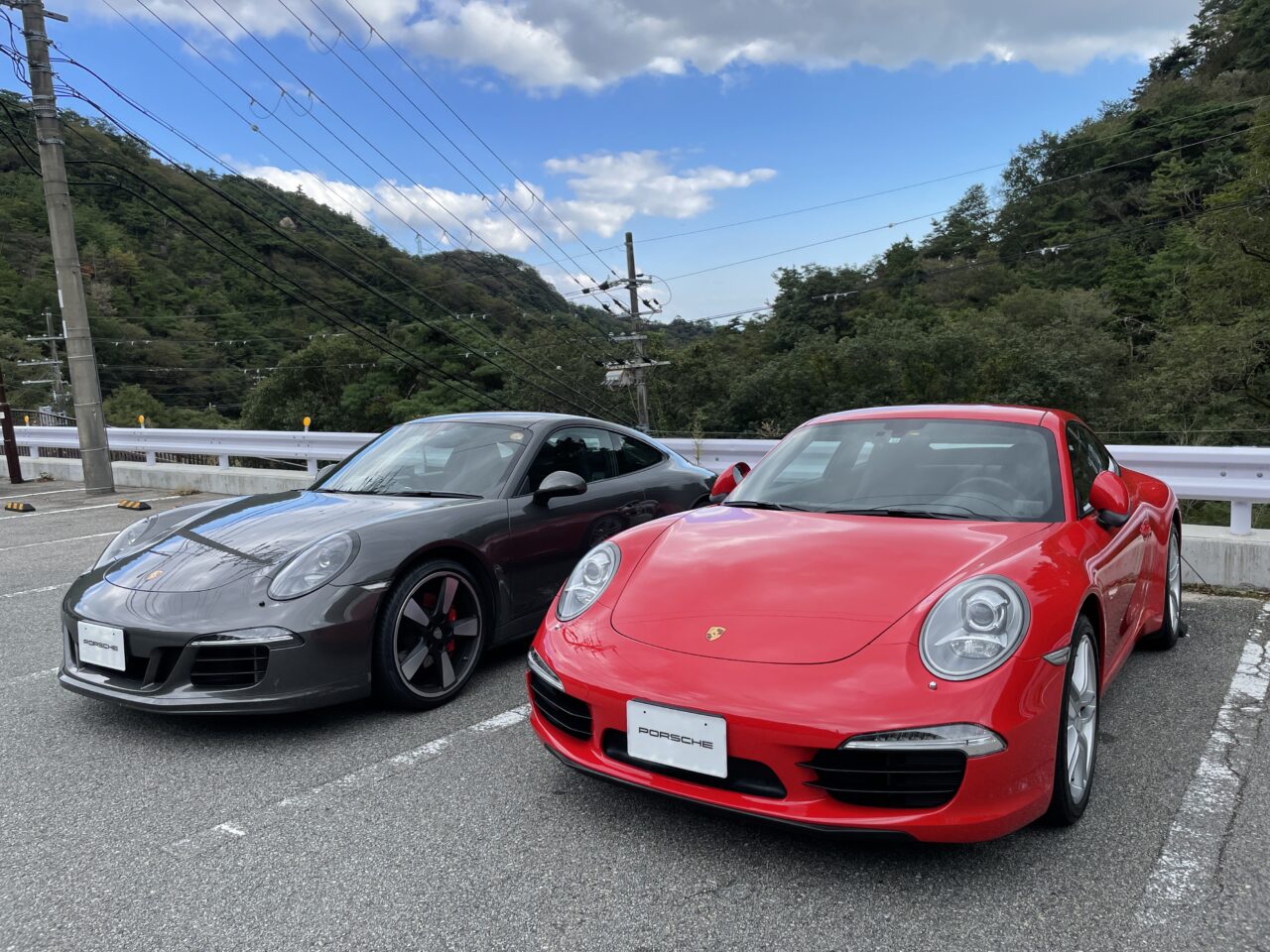
This time, I’m comparing my Carrera 4 GTS with a base Carrera, and there are some significant differences even between the base model and the GTS. Here’s what stood out to me.
The Base 911 Carrera
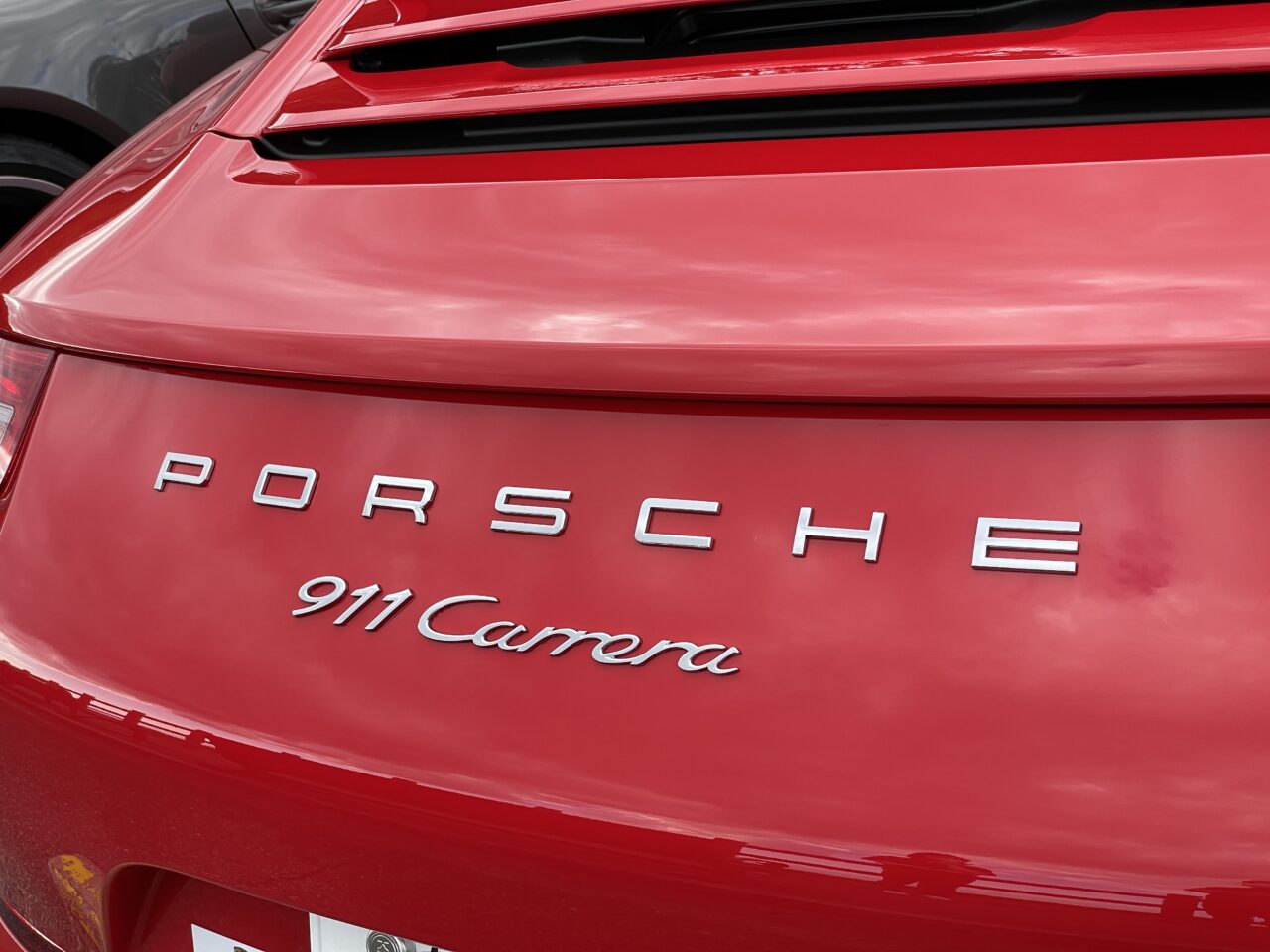
The vivid Guards Red Carrera immediately catches the eye, and it has only a handful of options. It has no performance-oriented options at all: just the standard 19-inch wheels, standard suspension without PASM, and no Sport Chrono Package or Sport Exhaust.
This is a genuinely standard, base-model Carrera.
The engine starts with a loud note, though it’s a little more subdued than the GTS’s. Its 3.4-liter engine produces 350 PS and is the same basic unit found in the 981 Boxster S and GTS, with only slightly different tuning.
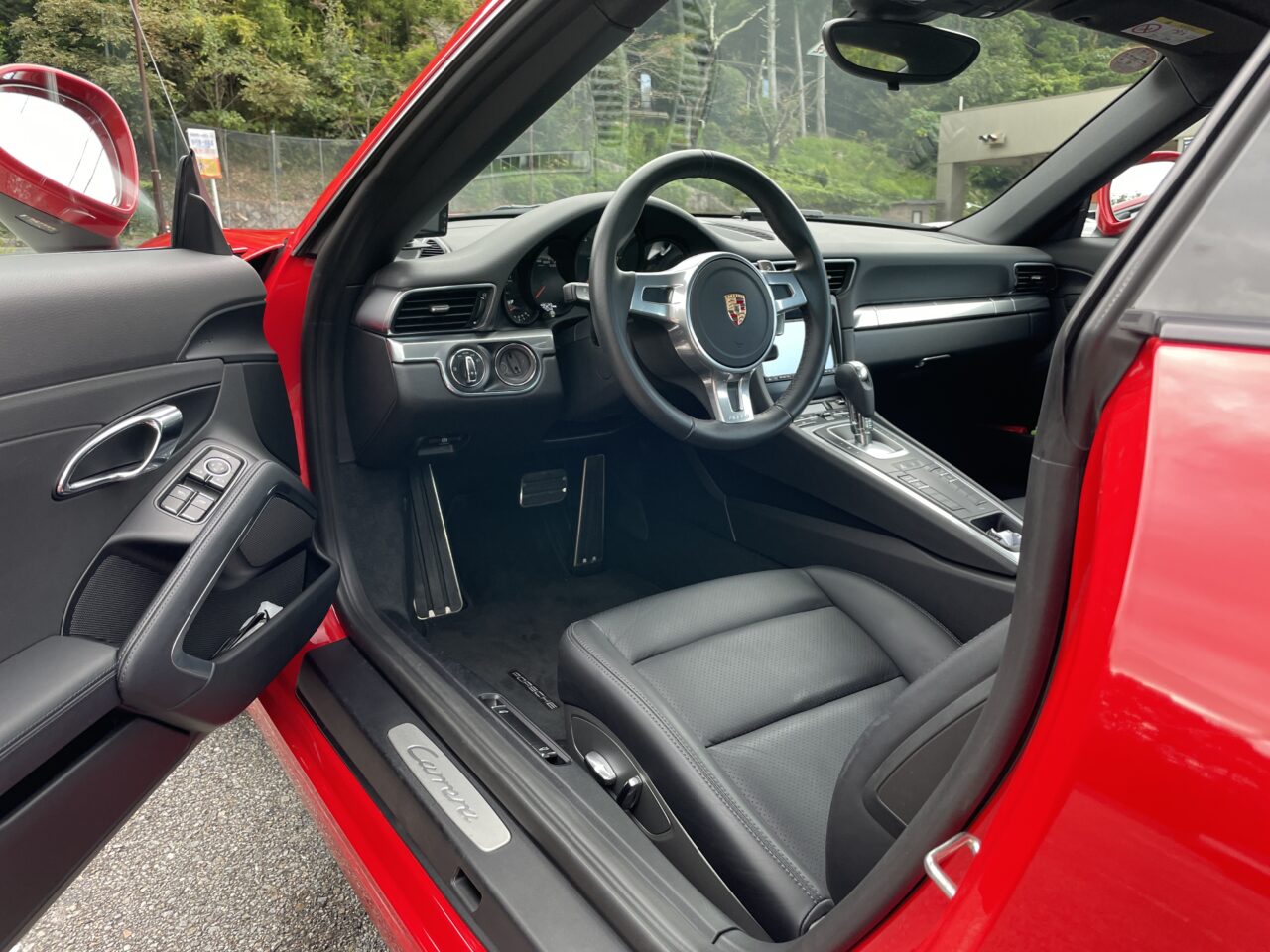
The seats are the standard sports seats. The standard sports seats from this era have reasonably thick cushions, unlike the thinner, firmer seats in the 992. They don’t hold your shoulders as snugly as the Sport Seats Plus, but the extra room around the shoulders makes them feel less tiring on long drives.
Pull away and the first thing you notice is how light and nimble the car feels. Not necessarily light in terms of weight, but light on its feet. It doesn’t have the GTS’s muscular, planted feel as it surges away, gripping the road from the moment you set off. Instead, it feels as if the whole car is more relaxed—as though it were taking a deep breath and setting off with its shoulders down.
The ride is by no means poor. Compared with a Carrera S I drove previously, one with PASM, that car handled small bumps more smoothly and felt more polished. But unless you drive them back to back, I doubt anyone would have reason to complain about the base Carrera’s ride.
With Sport mode engaged, I keep the revs in the midrange and take the corners smoothly. Even without the Sport Exhaust, the engine sounds are easy to hear, and I’m thoroughly impressed by their range, volume, and tone.
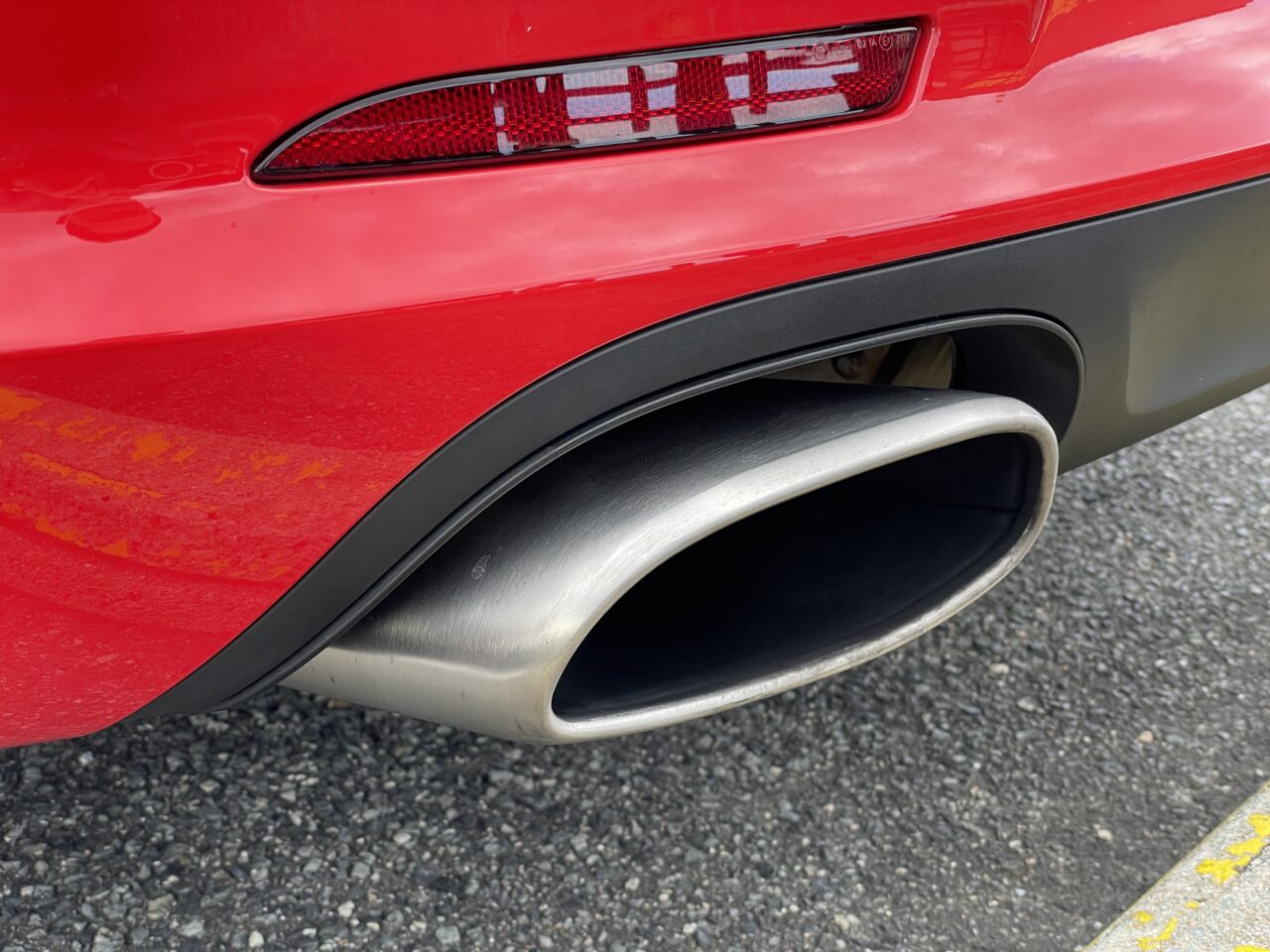
I’ve heard that Porsche put extraordinary effort into developing the 991’s engine sound. The exhaust note was designed to change in tone and volume depending on the car’s speed, load, and gear changes. Wolfgang Hatz, who was in charge of technical development, reportedly called it a “six-cylinder orchestra”—and it’s a sound worthy of the name.
The GTS’s deep, almost roaring engine note is fantastic, but so is the base Carrera’s sound without the Sport Exhaust. It’s light and refined, with a musical quality to it. Even within the 991 generation, the two Carreras have distinctly different characters. That’s one reason choosing the right Porsche trim can be so difficult: personal preference will play a big part.
For a spirited run up a winding road, I love the GTS’s dramatic soundtrack. But on quiet country roads, I can imagine listening to the base Carrera’s engine note for hours without getting tired of it.
The 350 PS also feels just right. It’s power you can use on Japan’s winding roads, and it’s easier to enjoy working the engine hard than it is in a higher-powered model.
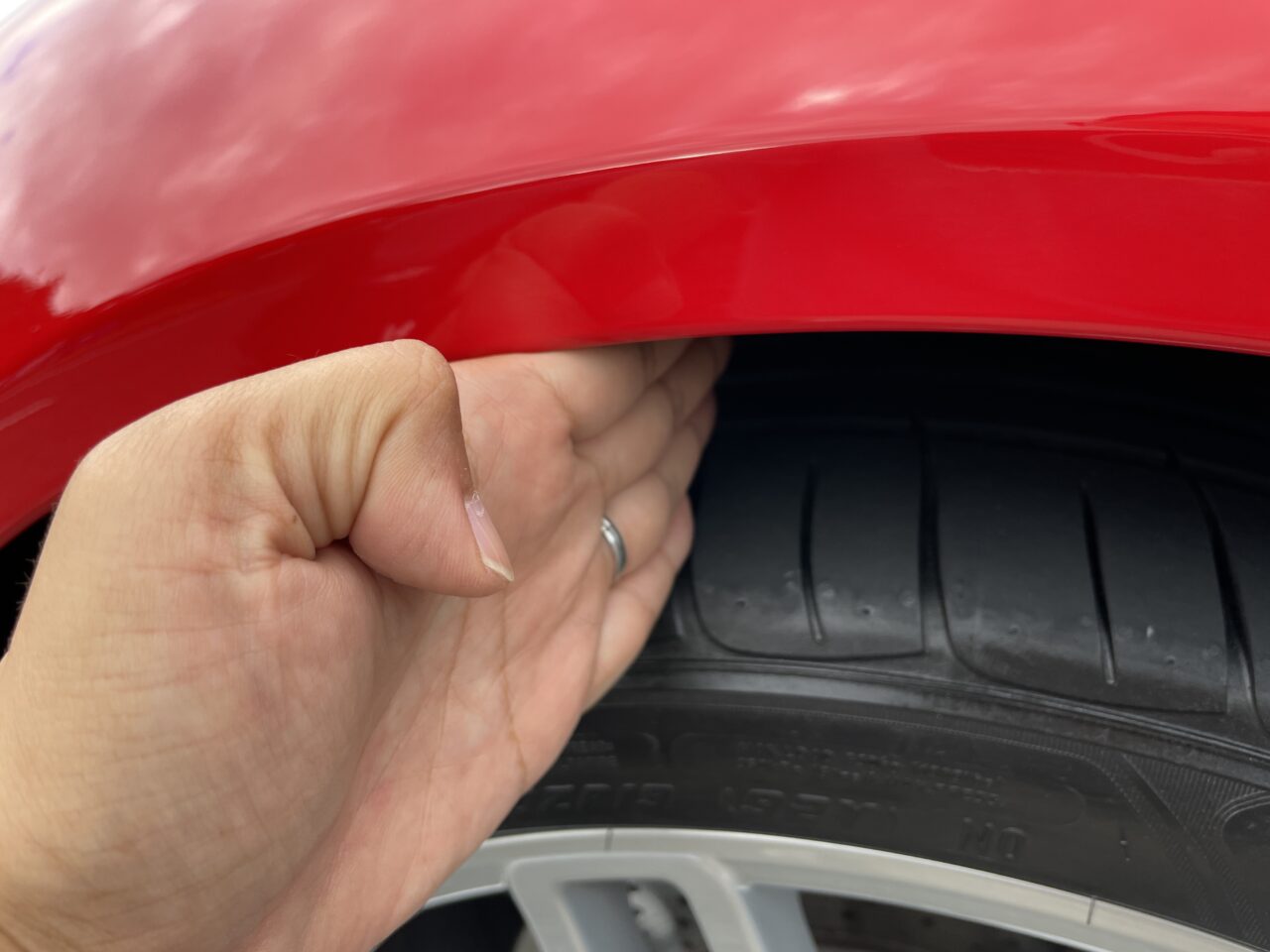
The gap between the Carrera’s front fender and tire—about four fingers’ width.
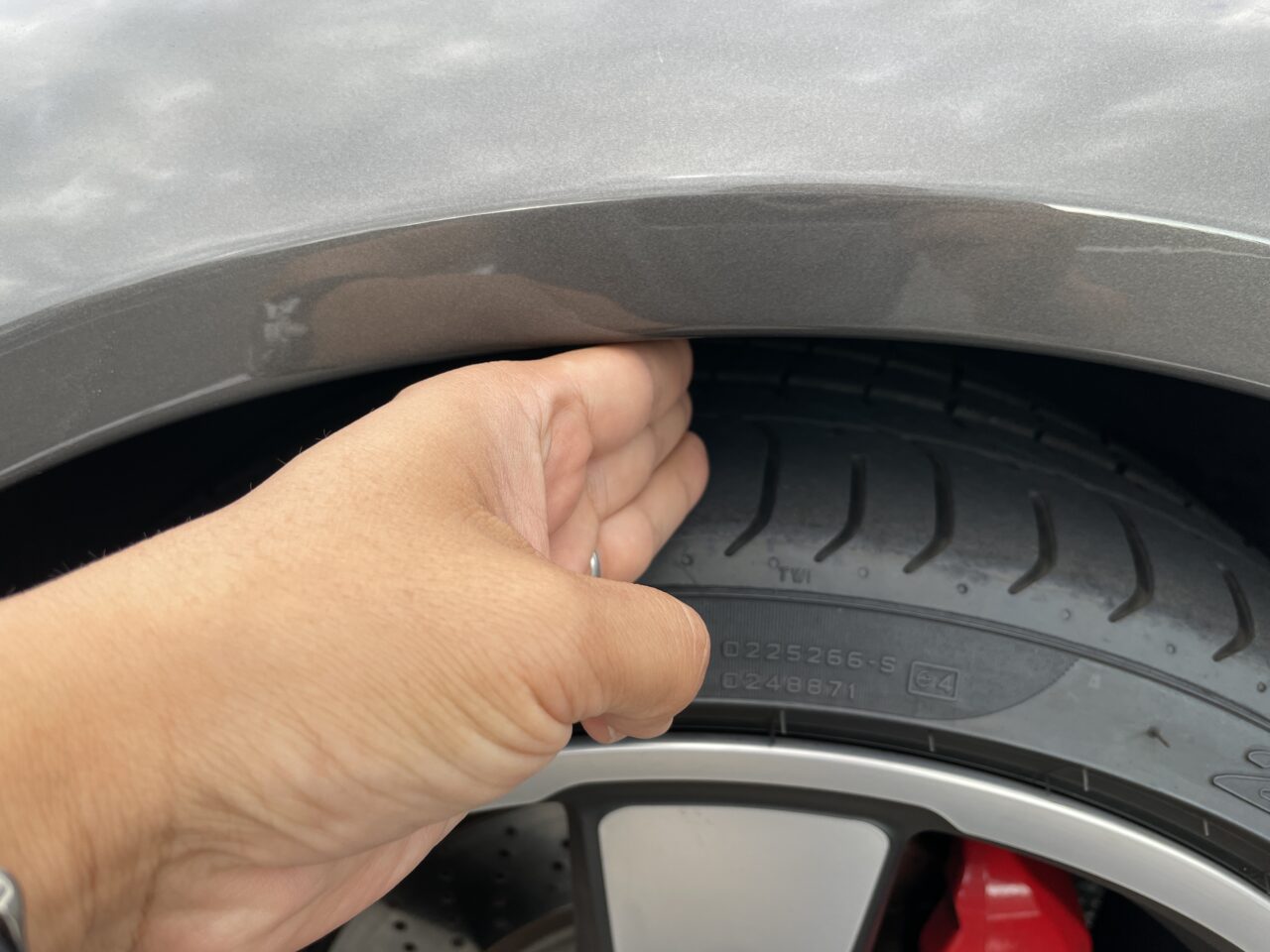
And here’s the Carrera 4 GTS—about three fingers’ width.
The handling is quite different, too. The biggest difference is the amount of body roll: the base Carrera rolls noticeably more than the GTS. (That’s relative to the GTS, of course. Compared with an ordinary car, it still has very little body roll.)
My wife found the combination of body roll and lightness unsettling, but I didn’t feel that way at all. To me, the body roll acted like a gauge, helping me sense the load on the car and how close I was to its limits. It felt as though the car was constantly communicating what it was doing.
That makes the car especially easy to read. You can clearly feel the weight transfer from side to side as you steer, and fore and aft as you get on and off the throttle and brakes. You can tell exactly what the car is doing and how much grip it has in reserve. Honestly, I found that a lot of fun.
Drive the same route in the GTS and you can lean hard on the throttle. Thanks, I suspect, to its all-wheel drive and PTV, it turns in eagerly and exits the corners remarkably composed, even without much thought about weight transfer. That’s exhilarating in its own way—and hard to resist—but there’s no doubt that the base Carrera gives you a stronger sense of being the one doing the driving. It comes close to the feeling of “piloting” an air-cooled Porsche.
I think this is one reason why experienced Porsche owners say they love the base 911. The more you know about driving—and the more cars you’ve experienced—the more likely you are to gravitate toward a car that makes you feel connected to the act of driving. Across generations, the base 911 has consistently offered that feeling in spades. That, I think, is why so many experienced drivers keep choosing it.
A Great Car Is All About Balance
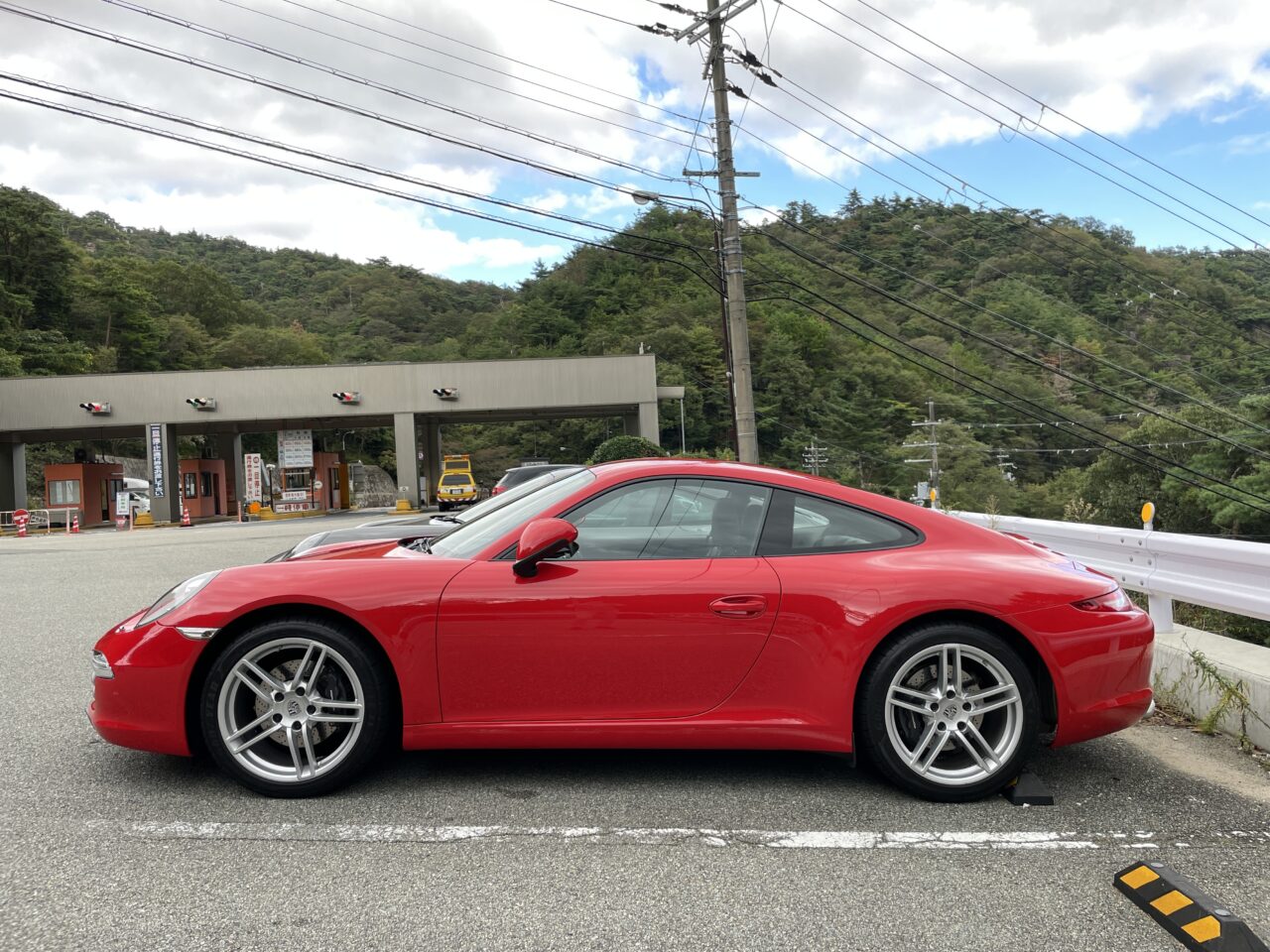
The lively six-cylinder naturally aspirated engine note, the light feel of the suspension, and the 350 PS—which feels just a touch short on power—work beautifully together. I think that’s what people mean by “good balance.” Add only the GTS’s exhaust sound to this car, for example, and it might feel out of sync with the suspension and power delivery.
The GTS is built around the GTS’s own balance, while the base Carrera is built around its own. It may help to think of Porsche’s performance options as ways to add a little spice to that balance, according to your preferences.
As this drive shows, Porsche’s higher-end models aren’t simply better while the lower-end ones are worse. The only clear hierarchy is in speed and price. If outright pace is your priority, a higher-performance model may be the right choice. But if you value enjoyment and control, choose the trim that suits your ability and preferences—not one dictated by looks, status, or its place in the lineup.

If you enjoy this blog, follow along.
Comment ( 0 )
Trackbacks are closed.
No comments yet.