

Porsche Sales Grow Only for the 911 | A Look at Porsche’s January–September 2026 Sales
公開日:

コンテンツ
Porsche has announced its global deliveries for January through September 2026. Overall deliveries were down, but the 911 was the only model to post growth.
Overall Deliveries Down 16%, While the 911 Rises 12%
While deliveries fell across the rest of the lineup, the 911 was the sole model to grow.
Porsche delivered 178,532 vehicles worldwide, down 16% from 212,509 in the same period last year. Within that total, 911 deliveries reached 42,217, up 12% year over year. Here’s the model-by-model breakdown.
| Model | January–September 2026 | Year-over-year change |
|---|---|---|
| Cayenne | 59,586 | ▲2% |
| Macan | 51,025 | ▲21% |
| 911 | 42,217 | +12% |
| Panamera | 13,714 | ▲35% |
| Taycan | 8,699 | ▲31% |
| 718 | 3,291 | ▲79% |
| Total | 178,532 | ▲16% |
The Taycan recorded 8,699 deliveries—about one-fifth of the 911’s total. The 718’s 79% decline is a different story: production ended in October last year. I wrote about the future of the gasoline-powered 718 in this article. Looking at the table alone, it’s tempting to conclude that “the 911 is popular and the Taycan isn’t.” I read the figures a little differently.
Porsche Says “Value Over Volume”—I See a Shift in Sales Strategy
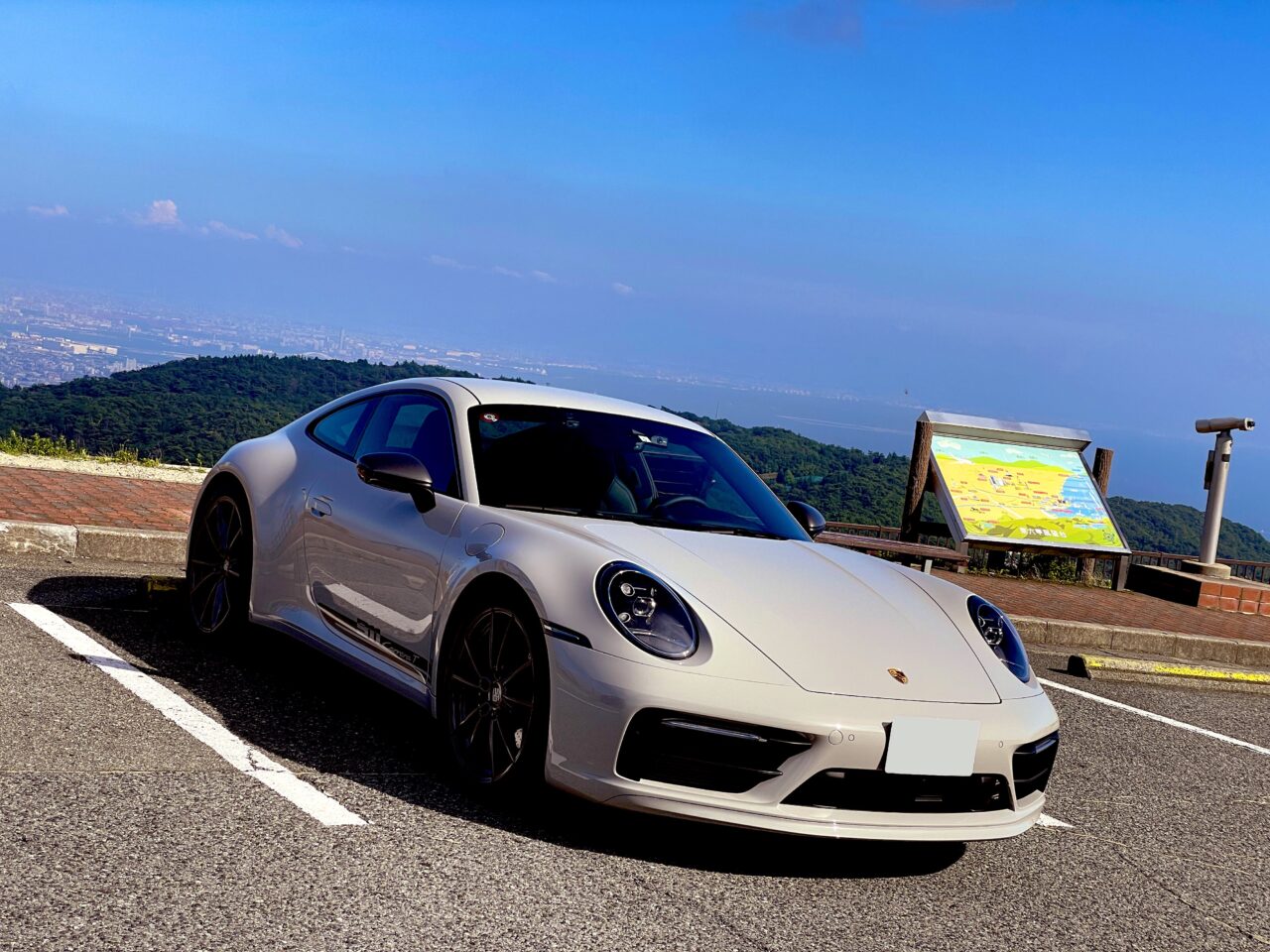
My former 992.1 Carrera T
Porsche says demand for the 911 remains exceptionally strong.
Becker, the board member responsible for sales and marketing, pointed to the “value over volume” approach outlined at the company’s Capital Markets Day: prioritizing value over sheer delivery numbers. He also noted the high share of top-tier trims such as the GTS, Turbo, and GT—especially for the 911. Porsche’s explanation is that customers are deliberately choosing the most special versions.
I see this as the result of Porsche actively selling more high-priced, higher-margin models at the top of the range. It’s not that customer tastes suddenly changed; the emphasis on the seller’s side has shifted. I discussed the same trend in this article on whether a rumored new flagship above the 911 might focus on extreme performance or ultimate luxury.
Porsche used to say that if 100 customers wanted 100 cars, it would sell only 99. The idea was to keep production slots slightly limited, leaving customers willing to wait a little for the car they wanted. That, I think, was part of Porsche’s traditional sales approach. But judging by how the 911 is being sold lately, it seems Porsche has been opening up production slots considerably. This isn’t something I’ve verified with hard data; it’s my impression based on comments from blog readers and information on social media. Naturally, building more cars without holding production back leads to higher delivery numbers.
With EVs Losing Momentum, Porsche Is Selling More Top-End 911s
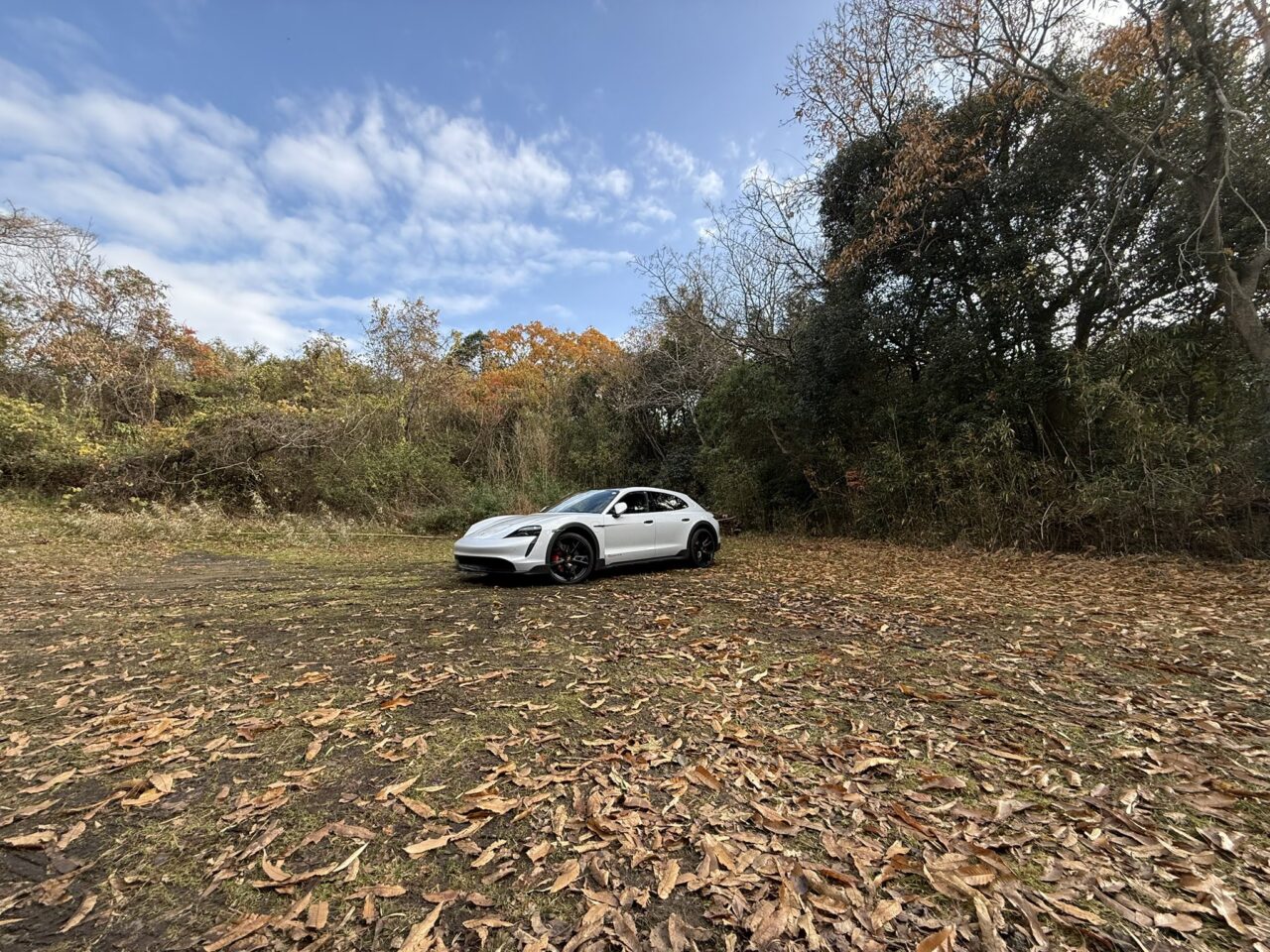
Porsche Taycan
So why the 911 now? I think the backdrop is the slowdown in EV demand.
Taycan deliveries fell 31% year over year. If the electric sports car Porsche has invested heavily in isn’t selling as expected, the company needs to make up the difference somewhere. It has therefore put more emphasis on the upper-end 911 models, which sell reliably and generate strong profits. The 911’s growth makes sense as an effort to offset weak EV sales. I covered why the Taycan is struggling to sell and how that affects resale values in an earlier article. The electric Cayenne has recorded 7,002 deliveries since customer handovers began at the end of June. But as a new model, I suspect it’s simply benefiting from an initial sales bump.
China is worth considering, too. Deliveries there fell 33%, but Porsche says it is prioritizing the brand’s long-term strength over short-term sales volume. Overall, the company isn’t chasing numbers—yet 911 deliveries are rising. Perhaps the 911 has become a model Porsche is no longer holding back.
Another Factor: Selling GT and RS Models Before Euro 7
I also think the changing regulatory landscape may be playing a role.
Euro 7 is the EU’s new emissions standard. For passenger cars, it will apply to new vehicle types from November 29, 2026, and to all new cars from November 29, 2027. Porsche may also be looking to sell through GT models—especially RS versions—before the regulations fully take effect. That’s only my speculation.
To sum up, I believe the 911’s growth reflects a change in how Porsche sells the car more than a sudden surge in popularity. Porsche is opening up production slots, actively selling higher-margin models, and moving cars that may be affected by upcoming regulations. I’ll be watching to see how the company’s old “sell only 99” philosophy evolves.

このブログが気に入ったらフォローしてね!
Comment ( 0 )
Trackbacks are closed.
No comments yet.