

Test-Driving the Porsche 911 Carrera S Cabriolet (991.1): What Comparing It with Other 991.1 Models Revealed
Published: 2022.04.06

コンテンツ
I’ve Tested 11 Different 991.1 Models
Here are the 991.1 models I’ve covered on the blog so far. That’s an impressive 11 different versions. I doubt many people anywhere in the world have compared this many 991.1s on winding roads—not just on quick drives around town! (笑)
- Carrera 4S
- Carrera 4 GTS Cabriolet
- Carrera GTS Cabriolet
- Targa 4S
- Carrera
- Carrera 4 GTS
- Turbo
- Targa 4 GTS
- Carrera S Cabriolet
- Carrera S
- GT3
This time, I had the chance to drive a Carrera S Cabriolet as well. I’d already tested one before, but this car was different: it didn’t have PCCB.
So, while this is a Carrera S Cabriolet test drive, I’ll focus on the differences between options and trim levels.
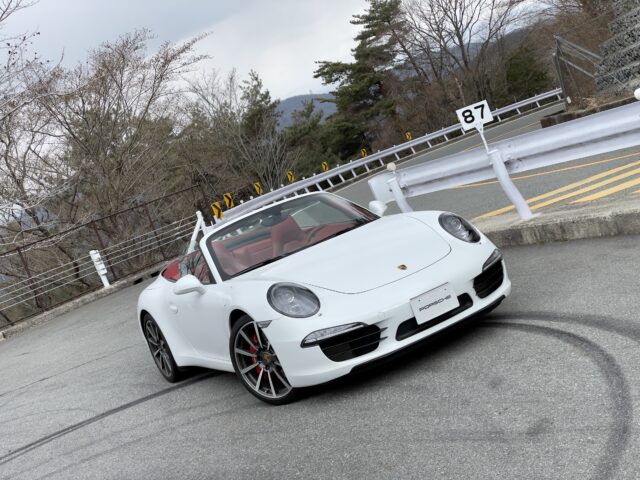
The Carrera S Cabriolet
This car is the first Porsche owned by the husband of a friend of my wife.
He bought a 991.1 Carrera S Cabriolet. It had covered relatively few miles—just over 20,000 km—and had been fitted with an aftermarket exhaust, suspension, and wheels. Since the car was in excellent condition, however, he had all of those parts replaced with factory-standard components before buying it.
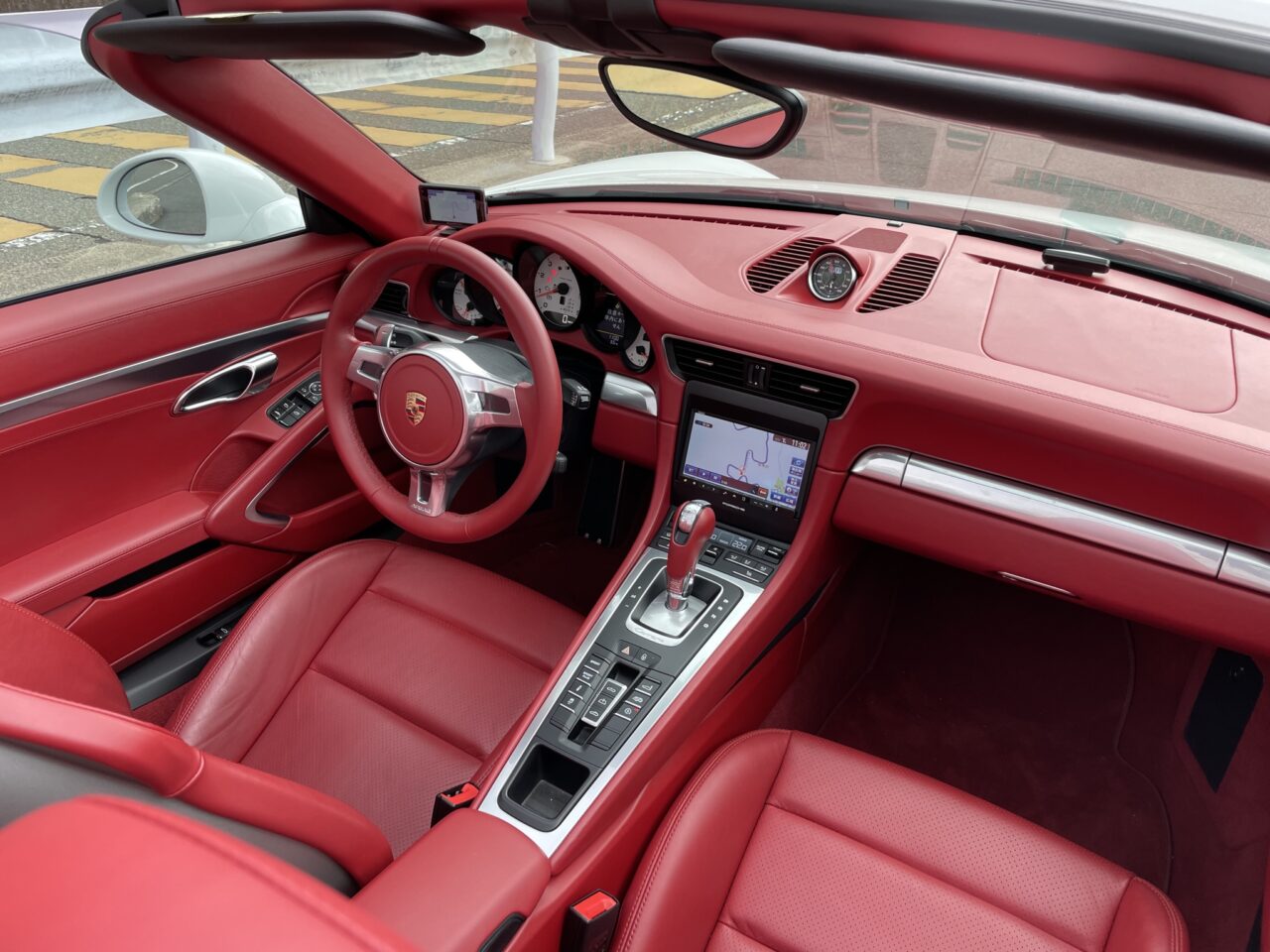
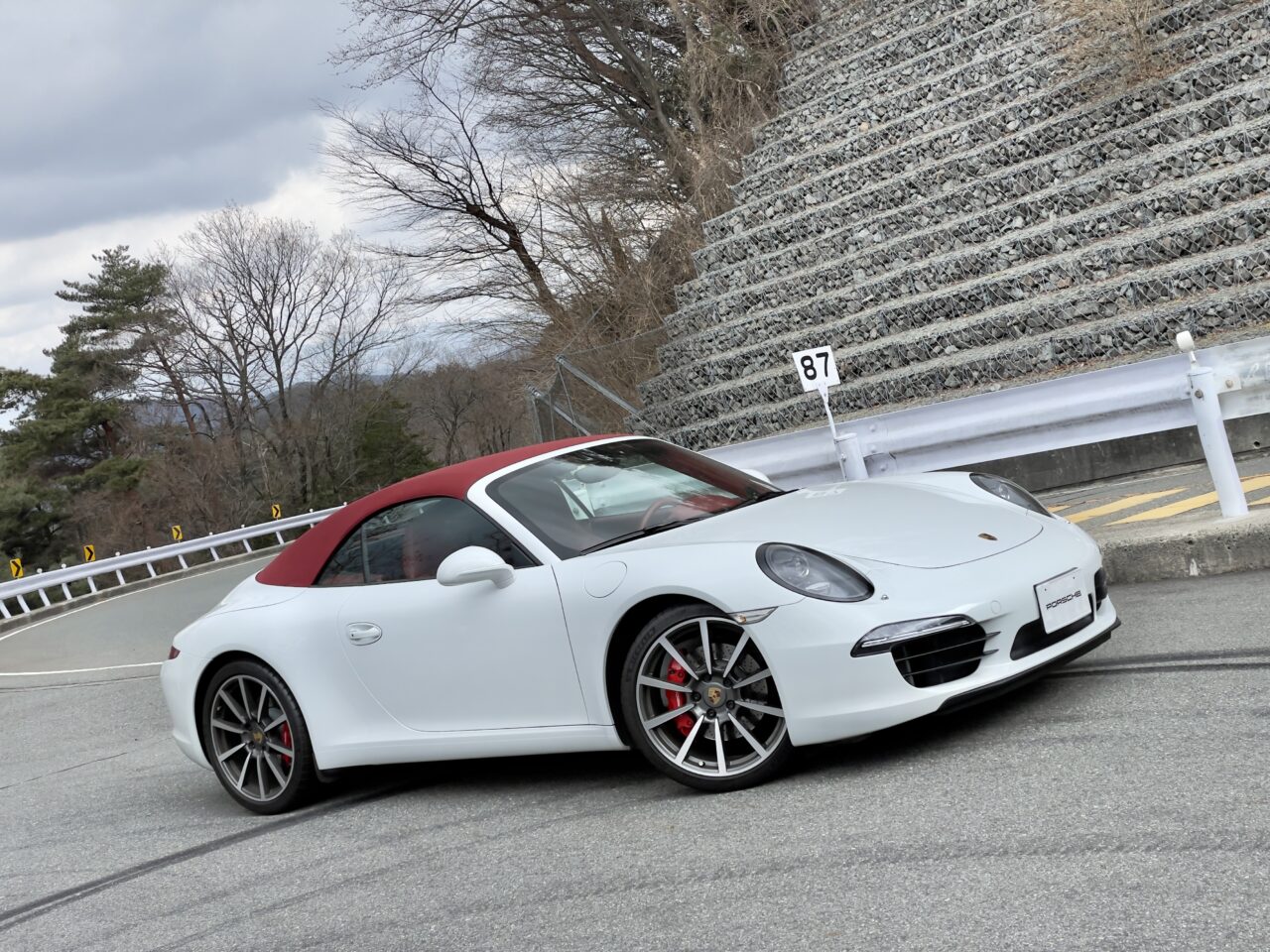
I’ve driven and written about quite a few 991.1 models, so take a look at those articles if you’d like more detail.
Comparing the Carrera S Cabriolet with Other 991.1 Trims
Engine
Turn the key, pull away, and the 3.8-liter naturally aspirated engine pushes the car forward with ease, even at low revs. In the low-to-mid-range—the part of the rev band most often used on the road—the power gap between this car and the GTS doesn’t feel particularly large.
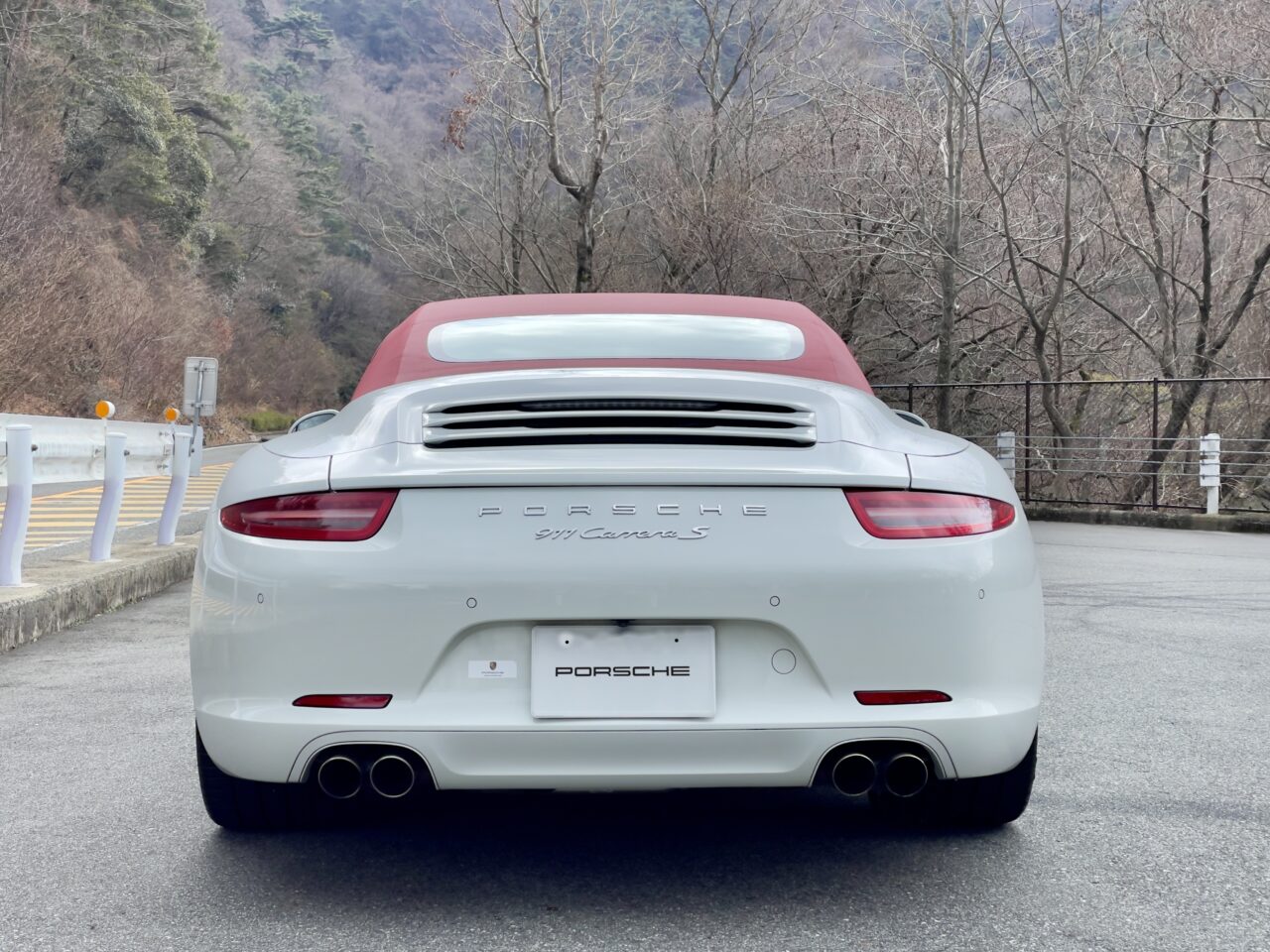
By comparison, the Carrera’s 3.4-liter engine can feel a little short on torque at low speeds next to the S. In stop-and-go traffic, for example, you may find yourself pressing the accelerator a little further.
On the other hand, the Carrera’s engine is the one you can really enjoy revving on winding roads. Its power is just right for Japan’s tighter mountain roads, where you can give it the beans without holding back.
Suspension
Overall, the Carrera S Cabriolet’s suspension feels excellent. The suspension was replaced with new parts when the car was returned to factory specification. Whether that explains the difference or this particular car is simply a good example, it has impressive grip and a supple ride.
Of all the 991.1s I’ve driven, I’d put the Carrera S Cabriolet among the most comfortable. The open-top body may help absorb some of the bumps and vibrations. The ride is notably supple—almost like a more refined version of the 981 Boxster.
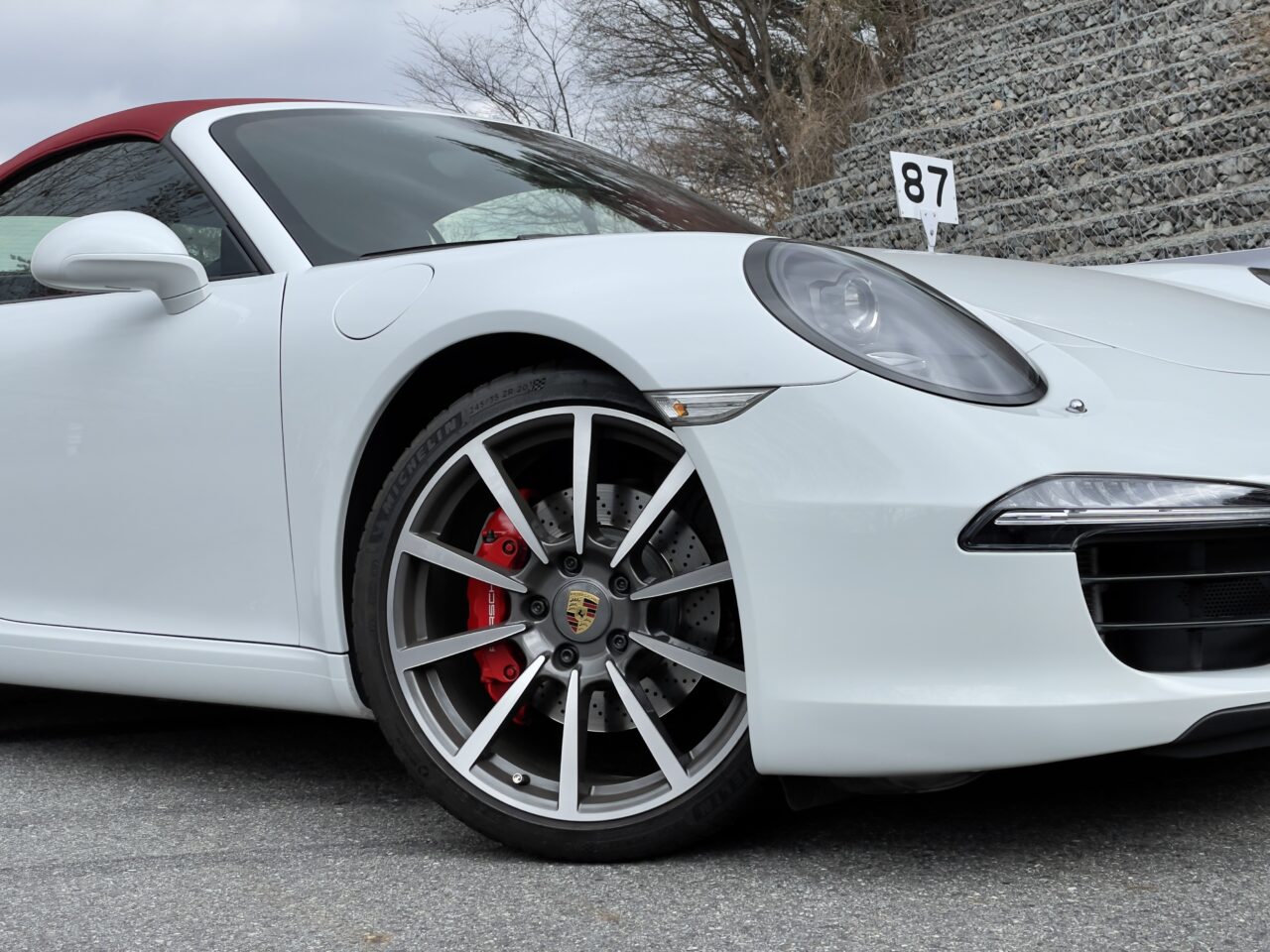
I’ve also found that 991s fitted with the Classic wheels tend to ride well, and this car is no exception. I can’t say whether that comes down to their weight or wheel balance, but a 991 on Classic wheels is one I’d recommend considering.
Engine Sound
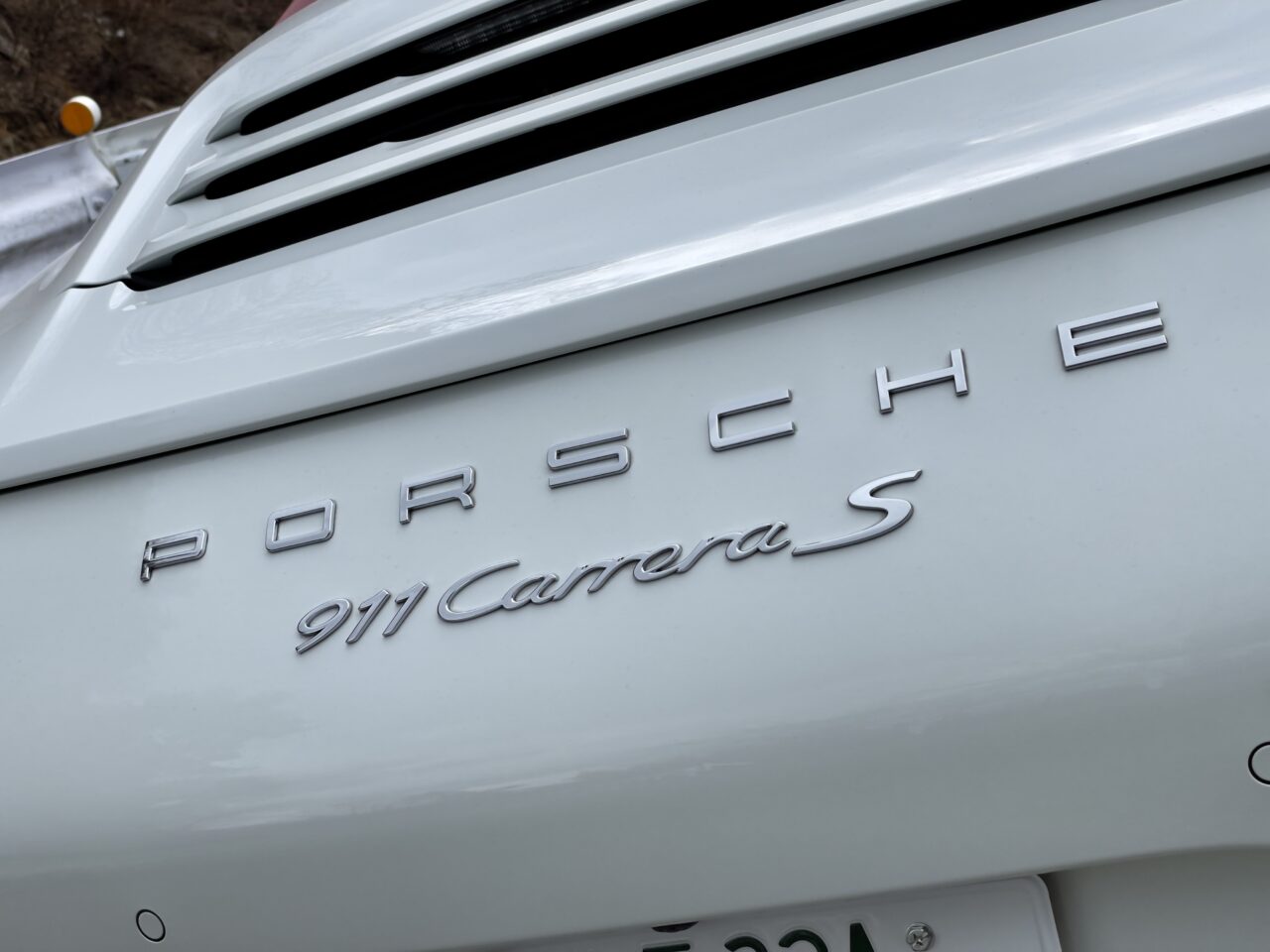
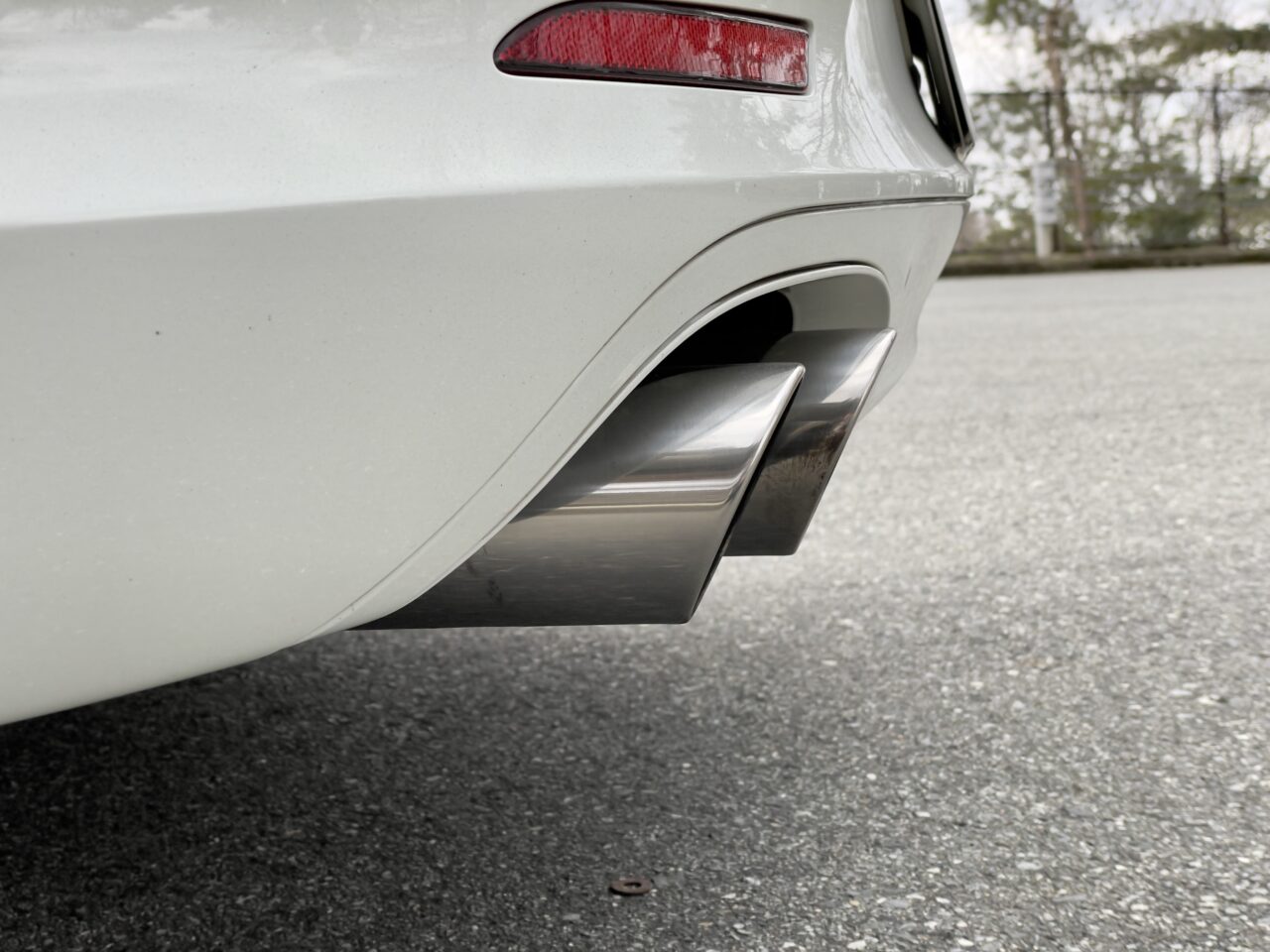
With the Sport Exhaust fitted, the engine sounds wonderfully assertive. The naturally aspirated soundtrack builds beautifully with speed and engine load. It’s easy to see why the engineers proudly described the 991.1 as a “six-cylinder orchestra.”
In Sport or Sport Plus, the exhaust pops and crackles loudly.
Listen to those overrun pops for long enough and you may eventually want a quieter drive; some people simply aren’t fans of the crackles. If that’s you, switching off the Sport Exhaust will tone them down considerably.
The standard exhaust and the Sport Exhaust in its off setting may seem similar, but there is a subtle difference.
The standard exhaust sounds quieter—or perhaps a little more refined—while the Sport Exhaust in its off setting is slightly louder, with more emphasis on the lower frequencies, at least to my ears.
Brakes
As for the difference between PCCB and standard brakes, I didn’t notice much difference in ride comfort. At higher speeds, the PCCB-equipped car’s suspension feels more supple and composed. At very low speeds, though, the car with standard brakes feels a little softer.
When it comes to stopping power, PCCB wins by a mile. The difference is obvious to anyone who drives both. Porsche’s standard brakes are already excellent, but PCCB takes things to another level. It’s impressive how effectively they scrub off speed with only light pedal pressure.
Handling
The car’s composure and feel through corners are excellent. It turns in naturally and confidently, with no hint of instability. The lower center of gravity—thanks in part to the lack of a fixed roof—may contribute to that secure feel.
The Cabriolet can be driven with plenty of sporting intent, which may surprise anyone whose experience of convertibles comes from other brands. Porsche’s open-top models are engineered to deliver serious performance, with no compromises when it comes to the drive.
That said, put it directly up against the coupe and the coupe still feels more connected, with a more seamless conversation between driver and car. That’s only natural.
This Carrera S Cabriolet is, of course, rear-wheel drive, but personally, I don’t feel a major difference compared with an all-wheel-drive Cabriolet. In the coupe, the distinction between rear- and all-wheel drive is much clearer. For some reason, that gap seems smaller in the Cabriolet.
Ride Comfort, PDCC, and PASM
The difference between a car with and without PDCC isn’t all that obvious when you’re simply cruising along a winding road at a relaxed pace. But switch on PDCC Sport and push through a tight corner, and the difference becomes clear.
Body roll is noticeably reduced, as is the side-to-side movement felt by the occupants. If you enjoy a brisk pace and often have someone in the passenger seat, PDCC is an option well worth considering.
I’ve also asked owners of cars with PDCC about ride comfort in town. They say PDCC does make the ride smoother, with less body movement. It’s a good option if you’re buying a Porsche as a date car or often carrying a passenger.
Compared with the standard suspension, PASM generally offers a more comfortable ride. It also keeps body roll in check, so it gives the car a performance edge. But that’s not where the standard suspension’s appeal lies: it makes it easier to feel the weight transfer, and lets you enjoy guiding the car through a corner using a degree of body roll.
More experienced drivers may find the standard suspension more rewarding, thanks to the greater sense of control it gives them.
| Continue reading → A breakdown of what makes each trim special and where it excels |

If you enjoy this blog, follow along.
Comment ( 0 )
Trackbacks are closed.
No comments yet.