

I Took My Porsche to a Car Cover Maker to Have a Custom Cover Made!
公開日:2018.11.13
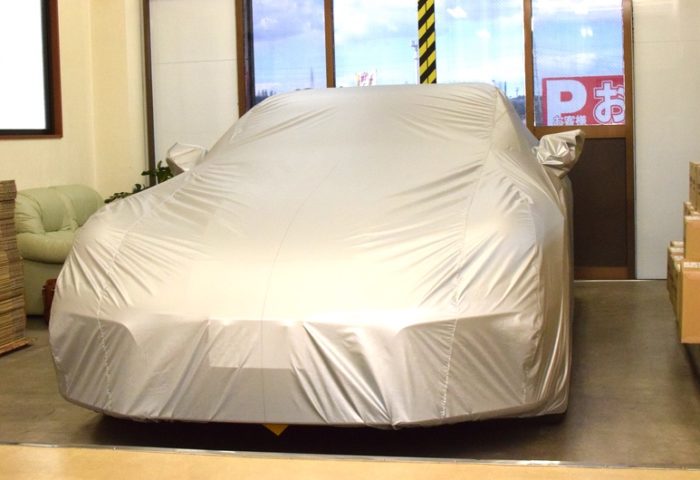

3. Leaving the Car for a Day—and Picking It Up the Next
Wrapping Up Day One
I had to pick up my daughter from kindergarten, so I ended my visit for the day and headed home. To be honest, though, if I’d had the time, I would have loved to stay and watch more of the work.
I was amazed to learn just how carefully a car cover is made to protect your car, and I wanted to see how it would gradually take shape.
When I mentioned this to Nakagawa, he said:
“That’s right. The initial measuring only takes around five minutes, so some customers ask if they can stay and watch for a while afterward. They often say things like, ‘Oh, I see!’ and ‘That makes sense!’ and are really impressed. But we’re just going through our usual process, so honestly, we’re never quite sure what they find so surprising… (Laughs.)”
He also told me, “We’re going to start reworking the cover now, so tomorrow you’ll see a beautifully finished cover that fits just right. We hope you’ll look forward to it.” I replied, “I’ll leave it in your hands!” and started to hand him the Panamera’s key. He stopped me:
“Oh, you can take your key home with you.”
I asked, “I thought I was supposed to leave the key with you?” He explained:
“People other than our employees, including contractors and other visitors, sometimes come and go, so we don’t keep customers’ keys, just to be safe. Sometimes customers worry that the alarm will go off if the car is locked and gets bumped, and think they should leave us the key. But we won’t move the car at all, so there’s nothing to worry about.”
They were taking even greater care with my car than I would have expected. I could see how that attention to detail carried through into the way they made their covers. (Just don’t forget to bring your car key with you the next day! Laughs.)
I drove home in the courtesy Daihatsu Move, then headed back to Nakabayashi Kogyo at 11 a.m. the following morning, excited to see how the cover had turned out.
It Was Finally Finished!
I parked the courtesy car in front of Nakabayashi Kogyo, slowly opened the door, and…
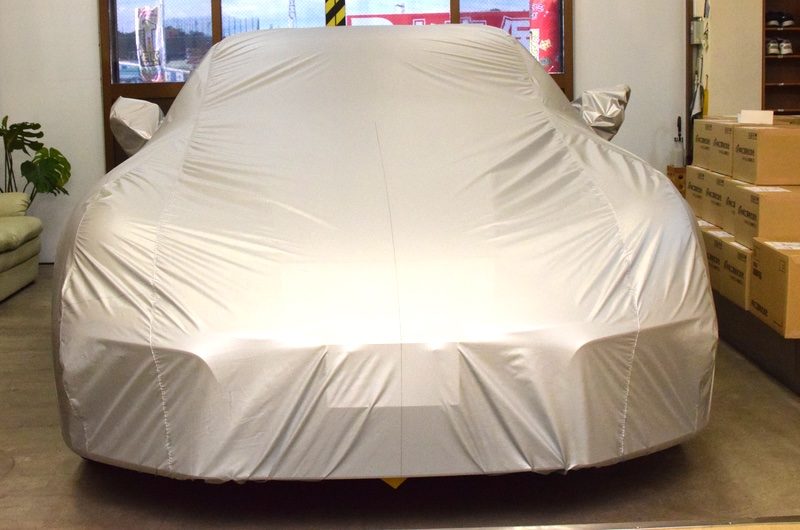
“Wow—it’s finished!”
The slight tension and sagging we’d seen in the sample were gone, and the fit looked much better.
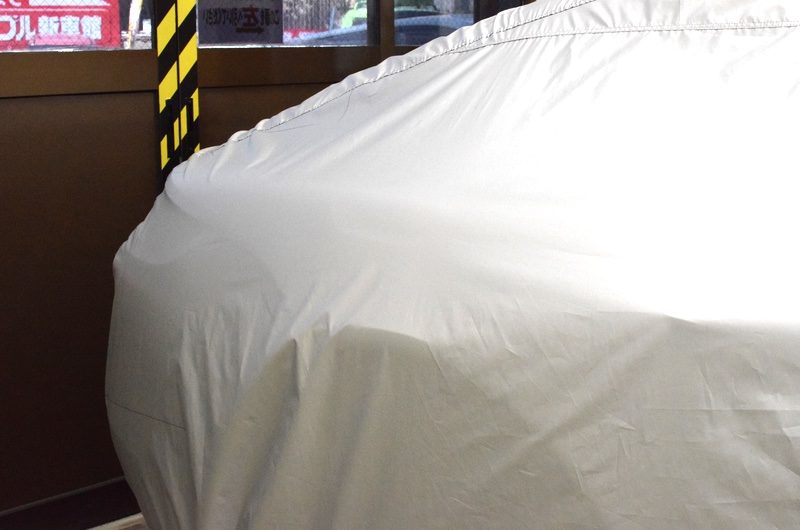
With the first-day sample, quite a bit of the wheels was still visible. The finished cover came down far enough to cover them properly.
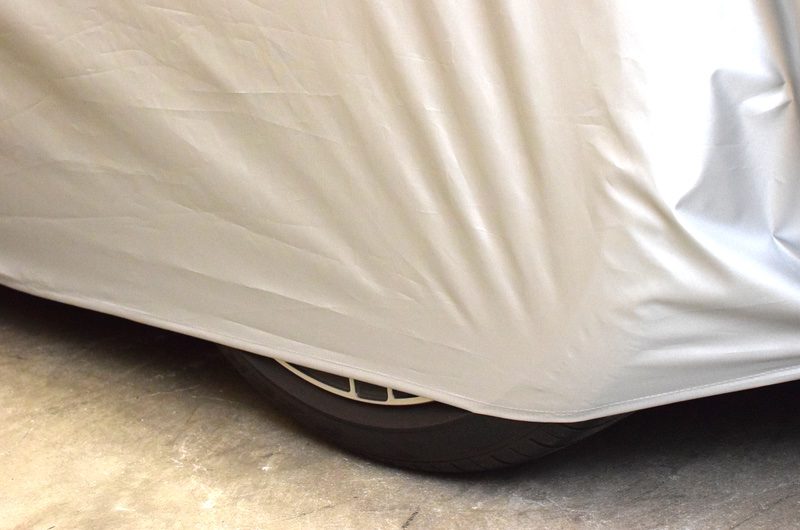
Here’s a comparison between the first-day sample, made from the 970 pattern, and the finished cover.
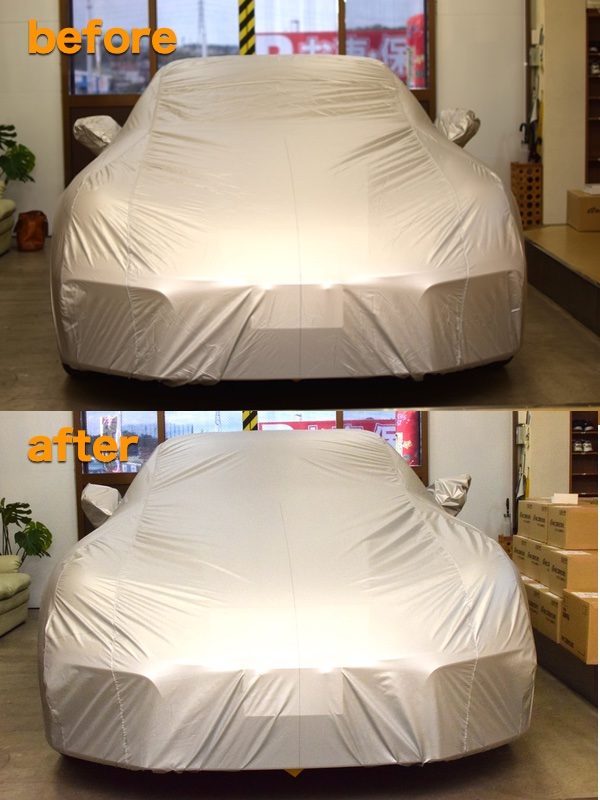
Most people, myself included, probably wouldn’t notice much of a difference, but Nakagawa says it’s a completely different fit. Looking closely, the hood and bumper look a little cramped in the “before” photo. Those areas have been improved in the “after” photo, and the Panamera looks a little more comfortable, too. (Laughs.)
The mirror area was also designed with a little extra room, so the cover won’t put pressure on the mirror even if it’s accidentally left unfolded.
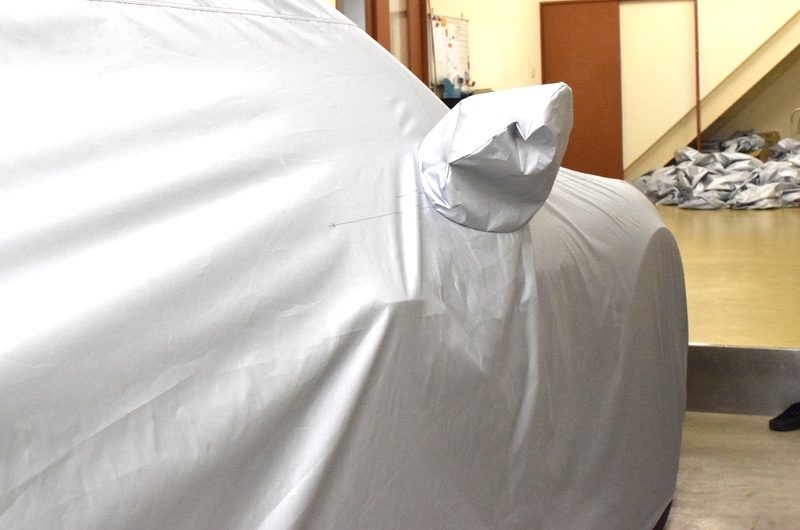
Apparently, some customers ask for a tighter fit because “a snug cover looks better.” But Nakabayashi Kogyo puts function first, with protecting the car as its top priority, so they politely decline requests for a tighter fit.
I assumed I’d take this cover home with me, but it turned out that wasn’t quite how it worked…
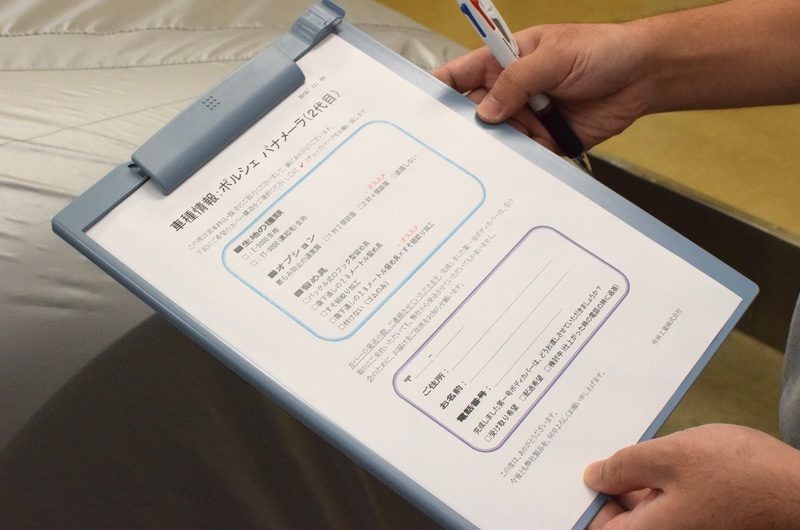
After choosing the fabric (I opted for the fleece-lined version!) and accessories such as the fasteners, they would make the final cover and mail the first one to me at home later. (A value of ¥52,600.)
That’s a great deal!
Protecting the Porsche You Love
As I mentioned earlier, we already use Nakabayashi Kogyo covers at home. My husband says:
“Since we started using a Nakabayashi Kogyo cover, the car hardly gets dirty at all. It stayed put through rain and wind like this year’s typhoon, and it’s lightweight, durable, and easy to put on and take off. I’ve had to wash the car only one-fifth to one-tenth as often. I was a little concerned at first because the lining was thin, but it hasn’t caused any noticeable scratches. They’ve really thought it through. Of course, the cover itself gets dirty, but without it, all that dirt and dust would end up on the car, and I’d have to wash it off every time. It’s best to wash the car as little as possible—after all, washing is what causes the most scratches.”
At first, when I heard that a car cover costs ¥40,000 or ¥50,000, I thought, “Wow, that’s expensive!” But after seeing how much care goes into making each one by hand, ¥30,000 to ¥60,000 almost seems too cheap for a cover like this.
After all, Porsche charges ¥74,000 for an option that does nothing more than add an embossed Porsche Crest to the front and rear headrests… (Laughs.)
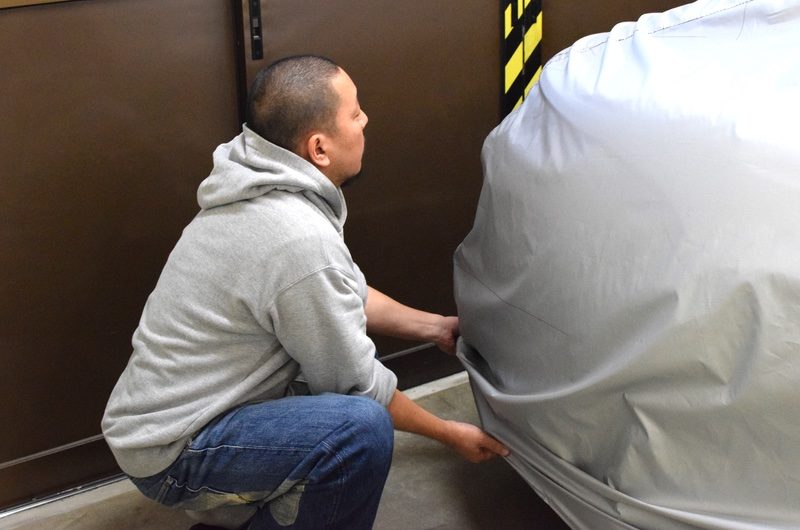
I couldn’t help asking Nakagawa, “Isn’t that a little too inexpensive? You could probably raise the price a bit…” He replied:
“We’re confident that the quality we offer at this price represents excellent value. We haven’t changed our prices in five years, either. That said, some people do consider the covers expensive. That’s why we want to explain the process and the thinking behind our work, so customers understand what they’re paying for and feel confident buying one.”
—
Nakabayashi Kogyo, a long-established car cover maker, is currently receiving a surge of orders. The in-person measurement service is popular, too, and bookings are several months out. After seeing the process up close, I can understand why customers love them.
If you want to keep your car in great condition, why not visit the Nakabayashi Kogyo website?
Thank you so much, Nakagawa!
このブログが気に入ったらフォローしてね!
Comment ( 0 )
Trackbacks are closed.
No comments yet.