

Test-Driving the New Porsche 911 Targa (992): The Most Luxurious Way to Drive a 911
Published: 2021.08.27
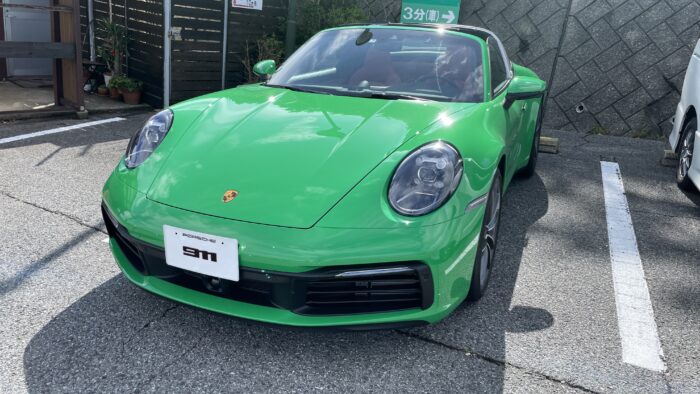

I recently had the unexpected chance to experience the new Porsche 911 Targa 4 (992 generation), and I’d love to share what it was like.
コンテンツ
Porsche 911 Targa 4 (992)
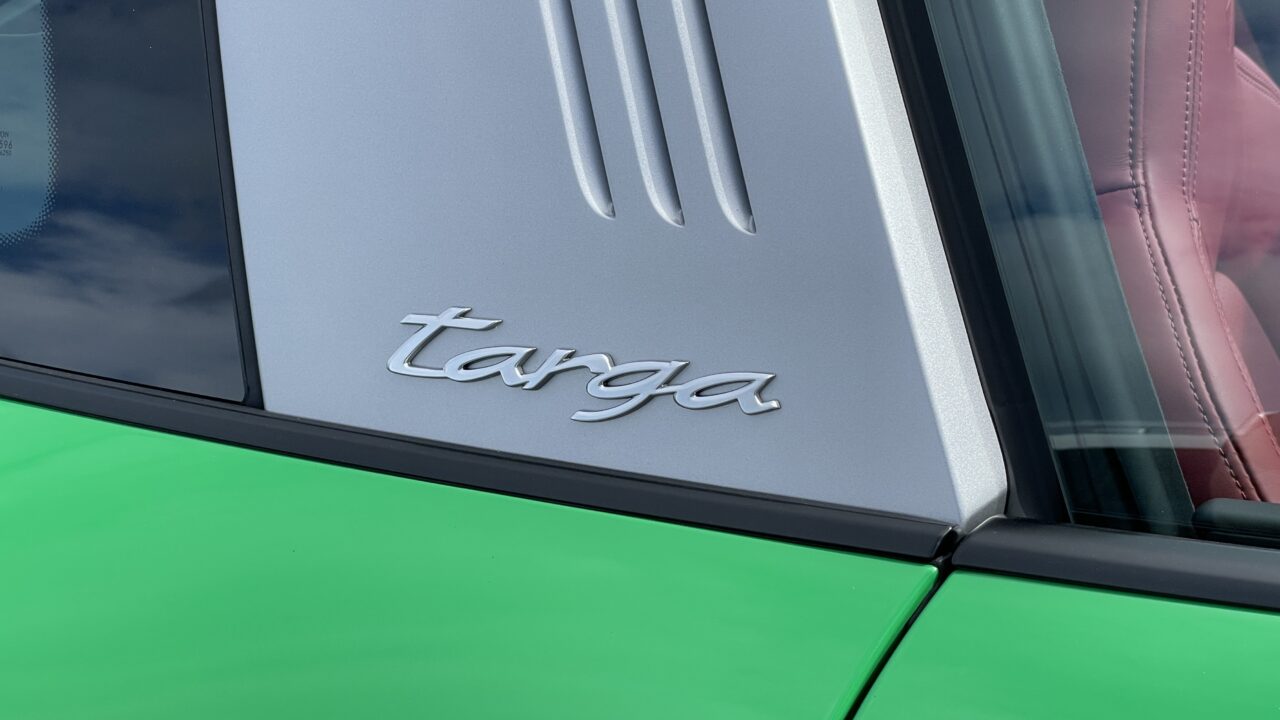
The car I drove was the latest 992-generation Targa 4. As many of you will know, the Targa is neither a cabriolet nor a coupe. It has a bar at the center of the body, in the position of a B-pillar, known as the Targa bar. This helps increase body rigidity and provides greater rigidity and safety than a cabriolet.
The Targa was originally developed in the 1960s to meet U.S. safety standards for open-top cars. The Targa bar disappeared for a time on the 993 through 997 generations, but returned with the 991 and remains part of the design today.
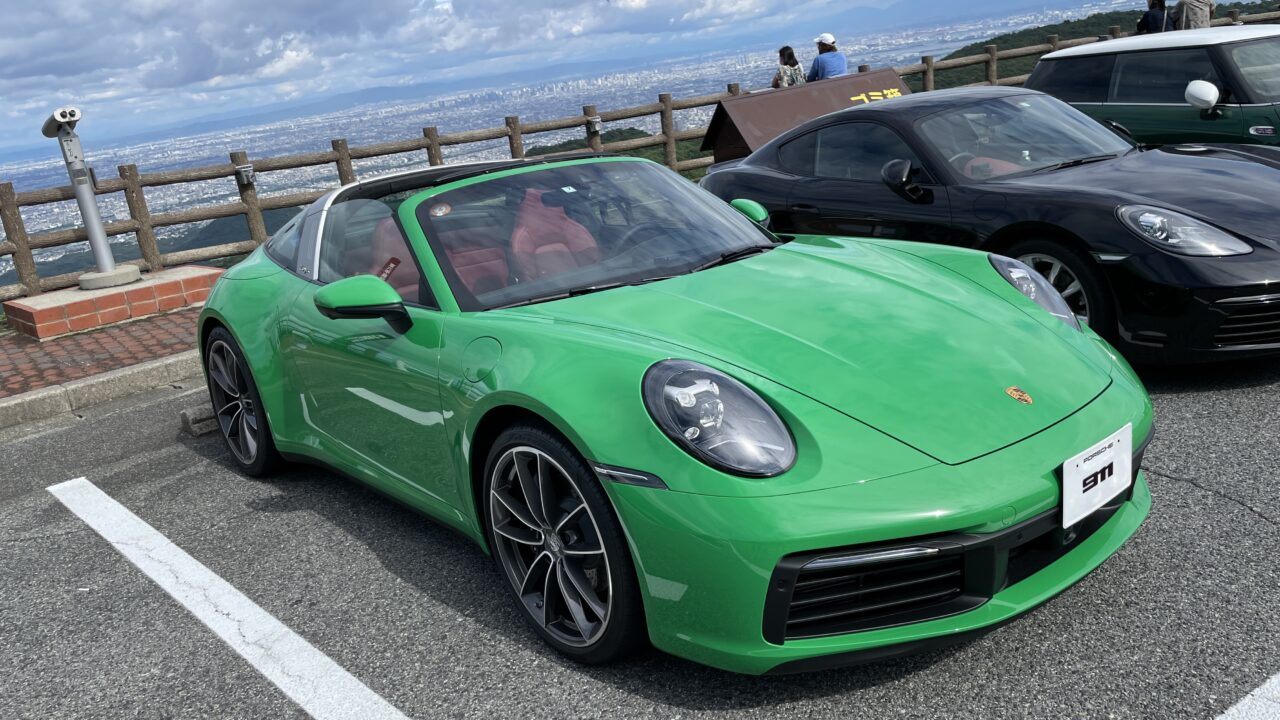
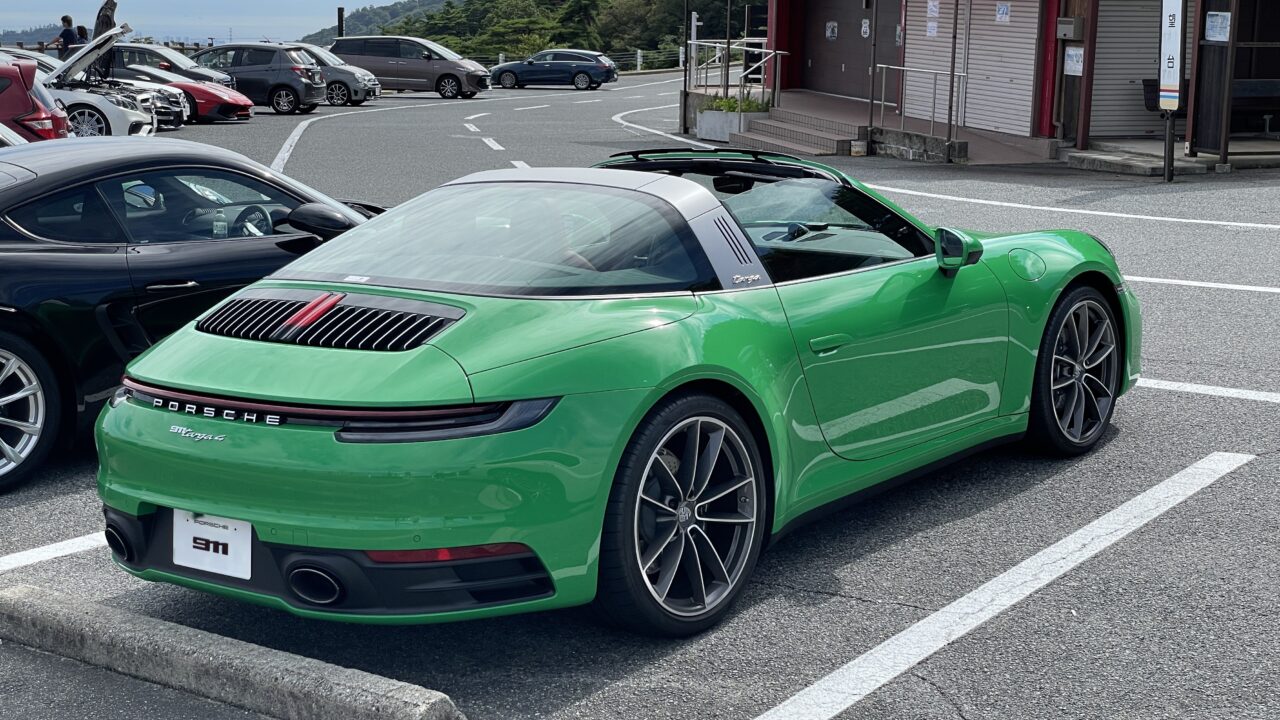
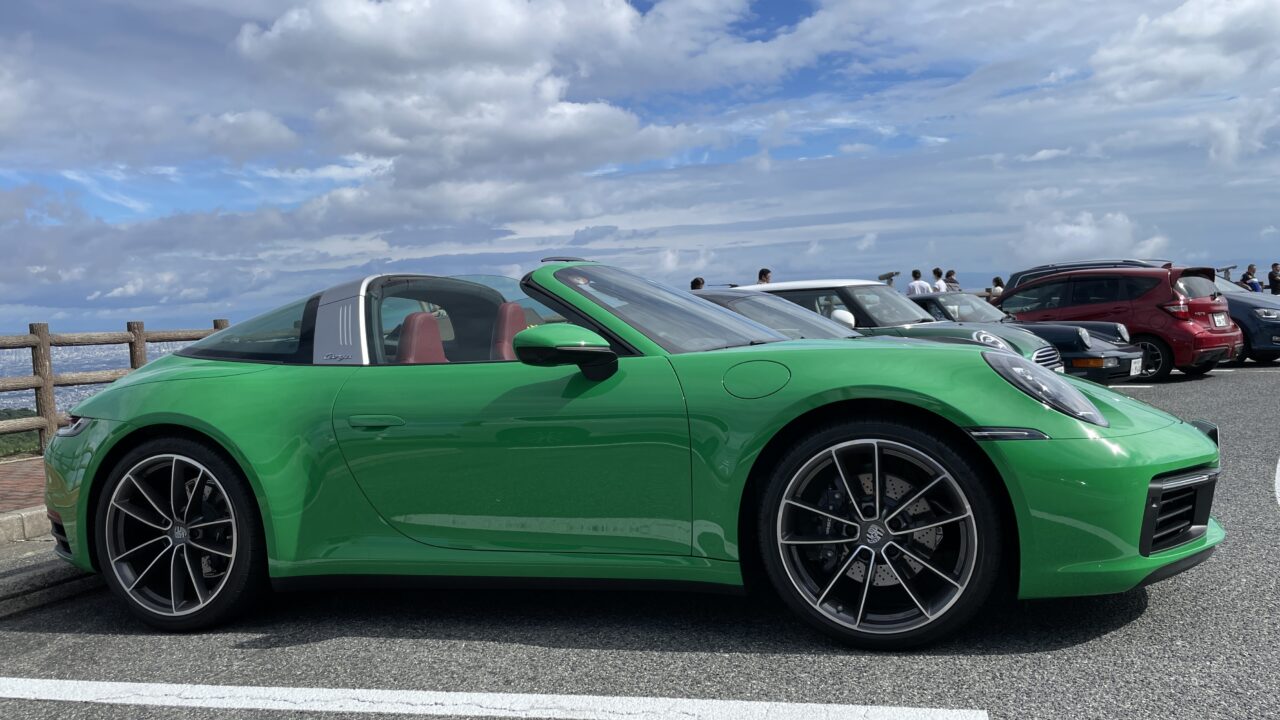
The model I drove was a Targa 4 finished in Python Green. I’d previously featured a Python Green 992 Turbo S in a test-drive article on this blog, and it looked fantastic. The color suits the Targa body just as well. Python Green is one of those colors that looks even better in person than it does in photos, so it’s well worth seeing for yourself.
The combination of the silver Targa bar, black roof, and red interior is superb. It could easily have ended up looking mismatched, but the owner’s eye for color is an inspiration.
Unlike the cabriolet’s roof, the Targa roof can’t be opened or closed while driving, but it takes just 19 seconds to operate. The mechanism moves in an incredibly intricate, precise sequence—mesmerizing stuff if you’re the kind of person who loves machinery.
992のタルガ4を運転させて頂いた。
カブリオレより乗り心地良い! pic.twitter.com/UGmXgwJi7H— Hiro@ポルシェがわが家にやってきた (@boxster_gts) August 15, 2021
Porsche 911 Targa Interior and Exterior
The interior has the Leather Package in a two-tone Black and Bordeaux Red finish. The owner chose to keep the dashboard black rather than red, to avoid reflections in the windshield.
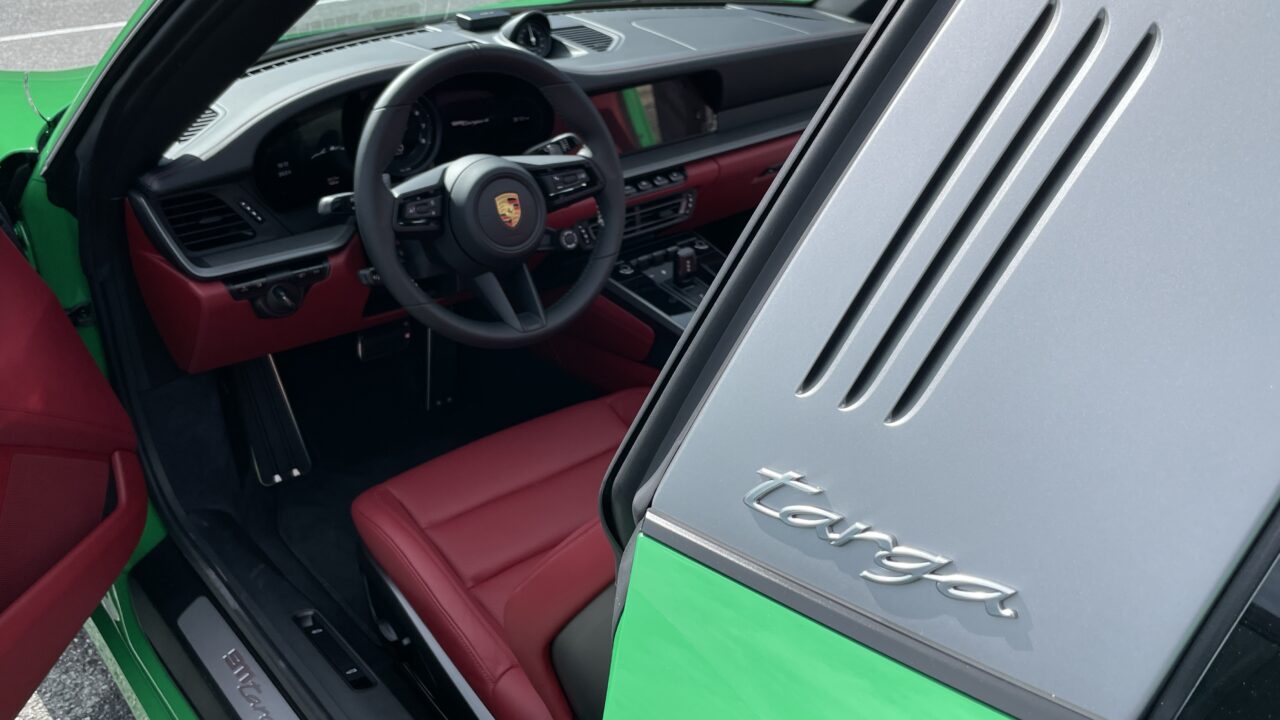
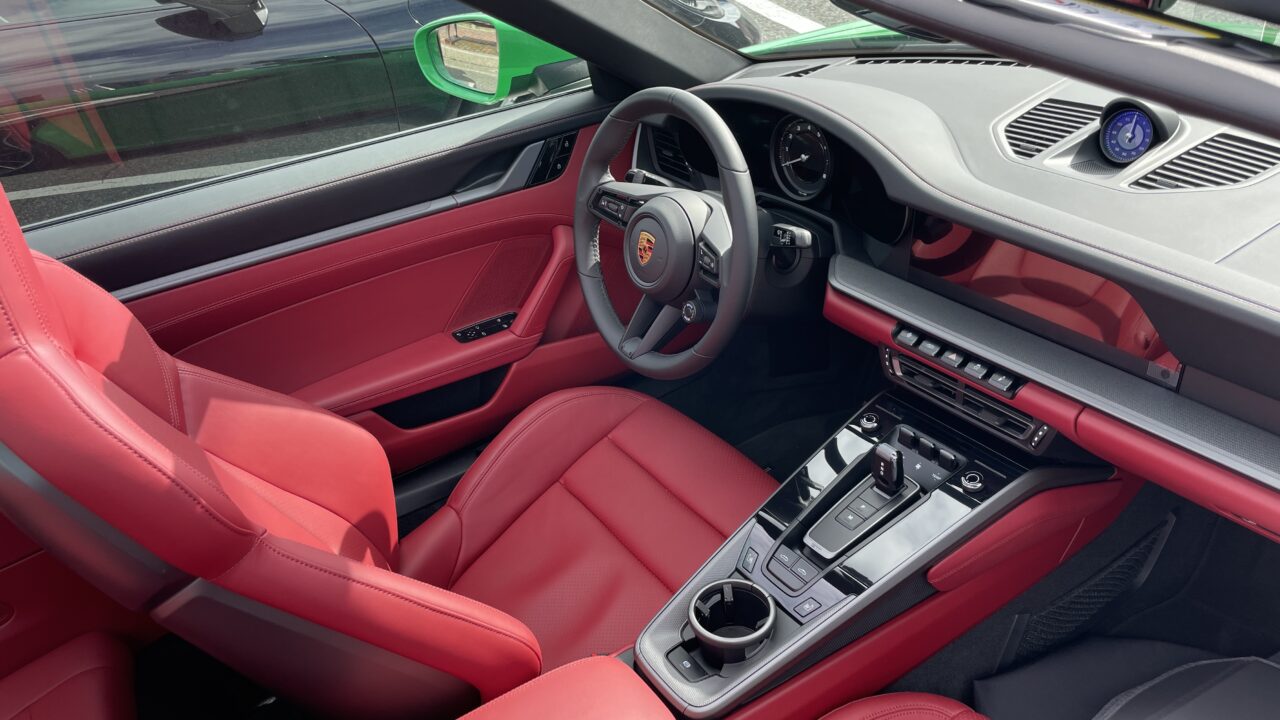
The car was also fitted with Sport Seats Plus. I’ve mentioned this on the blog before, but at least in the 992, I find these optional seats much more comfortable than the standard Sport Seats. Of course, seat comfort depends on your build, but at around 177 cm (5 ft 10 in) and 74 kg (163 lb), I find the Sport Seats Plus fit me much better.
The biggest difference is the extra thickness in the seat cushion. It’s substantial enough to make a real difference to comfort. On long drives, the thinner cushion in the standard Sport Seats can leave my backside aching, but I think I’d be fine in the Sport Seats Plus.
If I buy another 992, I’d definitely choose the Sport Seats Plus.
On the other hand, the standard Sport Seats have less pronounced side bolsters, leaving more room across the seat base and backrest. That may make them a more relaxed fit for larger drivers. So, my take is that slimmer drivers may prefer the Sport Seats Plus, while those with a larger build may be more comfortable in the standard Sport Seats.
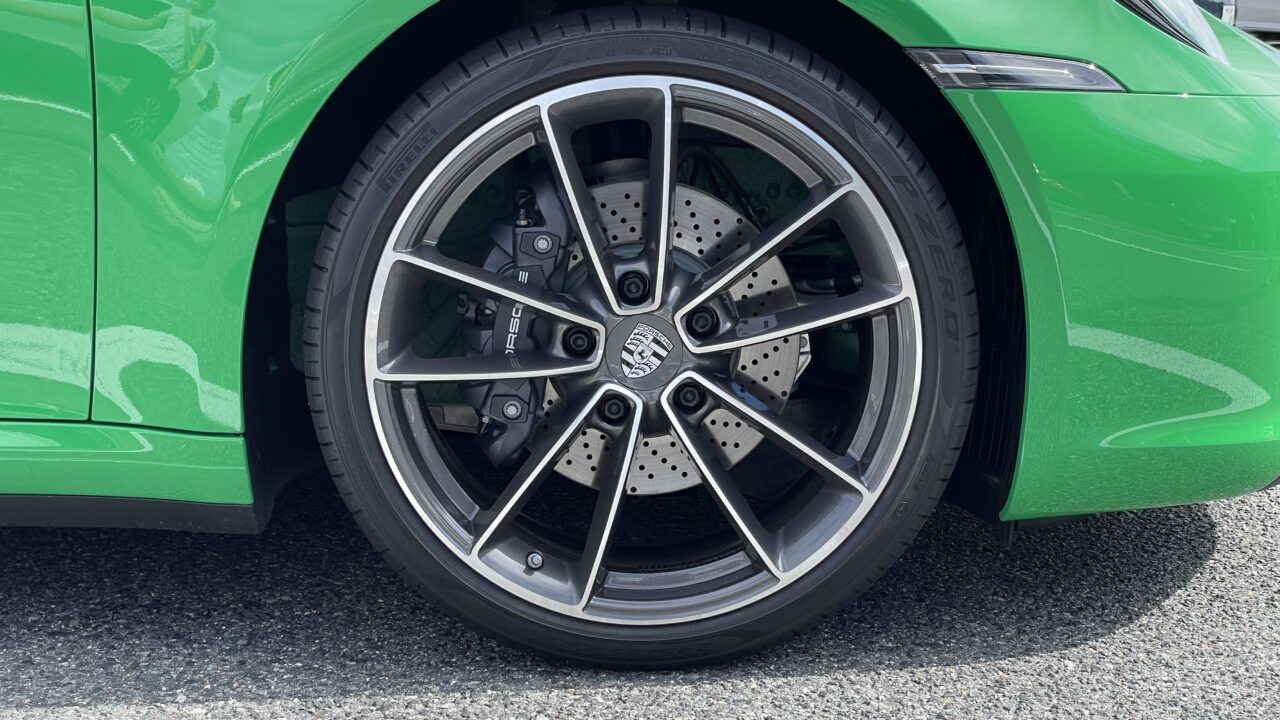
On the outside, this Targa wears 20-/21-inch Carrera Classic wheels. They’re my favorite design, and one of the wheel options I agonized over choosing for my own car. In my opinion, the Targa looks especially good on either these Classic wheels or the Carrera Exclusive Design wheels.
This car also has the optional Sport Exhaust, with its twin outlets positioned closer to the center of the rear. The rear deck looks a little shallower than it does on the cabriolet, and from directly behind, the overall design feels much like the coupe.
What Is the Porsche 911 Targa Like to Drive?
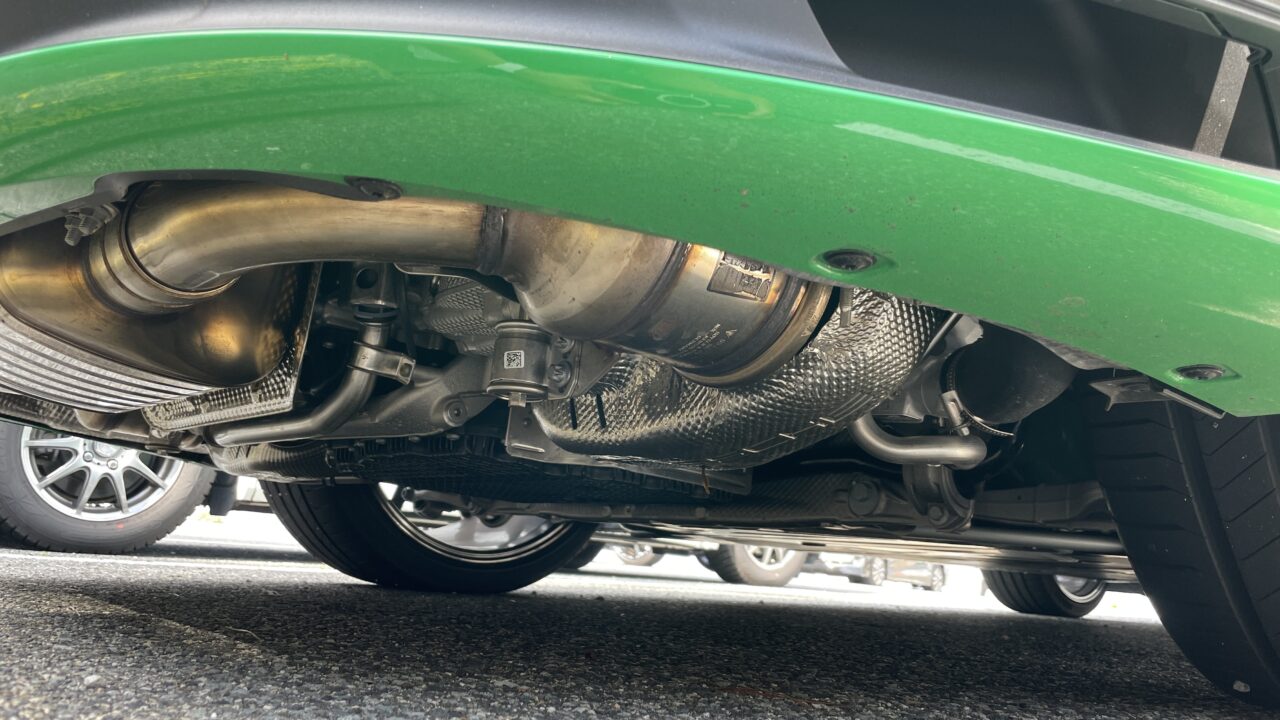
The engine sounds fairly loud at startup—about as loud as my cabriolet. This particular car is a 2021 model year, and when I later compared the exhaust areas of the two cars, it looked as though this Targa didn’t have a gasoline particulate filter (GPF).
Pulling away is incredibly smooth. The Targa eases into motion with a more composed feel than the cabriolet. It doesn’t quite have the Turbo S’s astonishingly rich torque off the line, but the sensation is similar.
As speed builds, the ride quality really stands out. It’s more compliant than the cabriolet or coupe. According to the owner, the Targa has suspension tuning developed specifically for this model.
That makes sense: the ride does feel a little different from any other 911 I’ve driven.
Despite riding on 20-/21-inch wheels, it feels noticeably more settled and smoother than my cabriolet on 19-/20-inch wheels. I doubt anyone would have much to complain about when it comes to ride comfort.
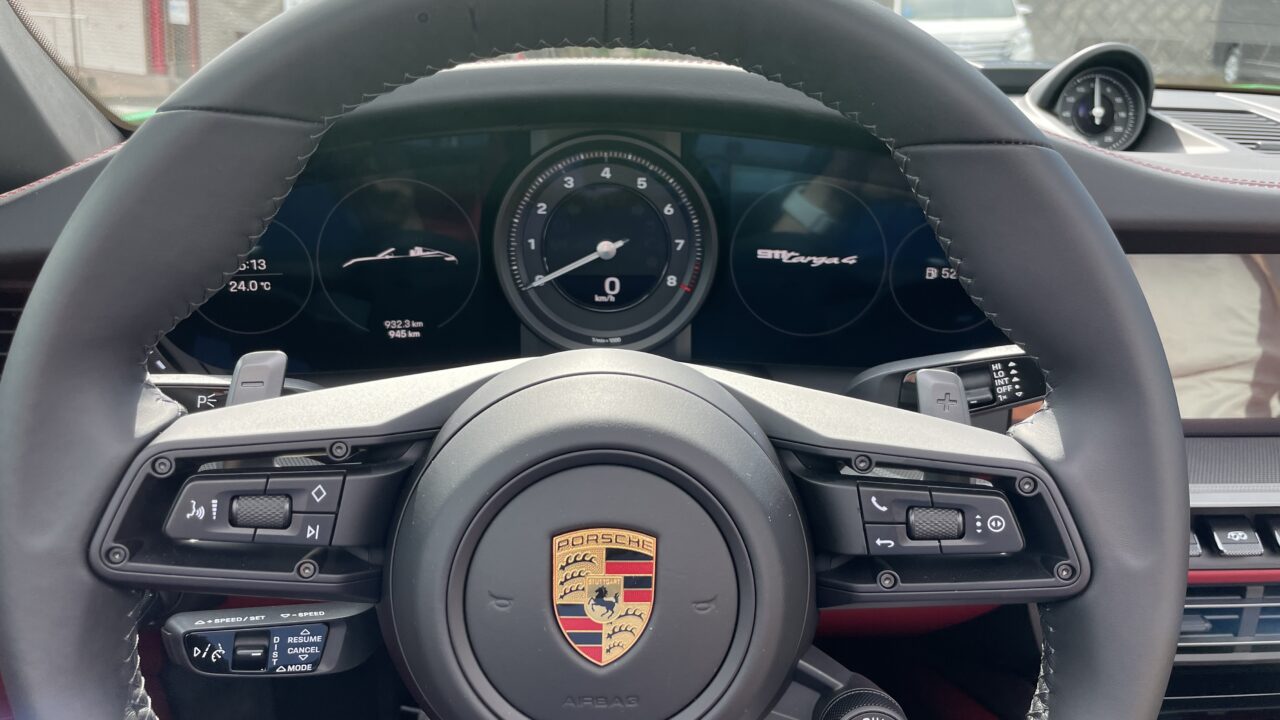
Through a few corners, I could definitely sense the weight of the Targa’s large rear glass. Rather than making the whole car feel heavy, it gives the impression that the center of gravity sits a little higher.
The cabriolet is heavy, too, but its fabric roof keeps the center of gravity low. In tight corners, I sometimes even find it more nimble than the coupe. I’m used to that feeling, of course, which may make the difference seem more noticeable to me.
That said, does the Targa’s extra weight have a negative effect on cornering? Not at all. It doesn’t feel particularly prone to understeer or oversteer, and it’s never difficult to drive. At most, there may be a slight difference in agility. The car sweeps through corners with superb precision and confidence.
At least at public-road speeds, there’s no need to worry about any downside to choosing the Targa. The difference might become more apparent on track, in tight corners that demand quick direction changes—like the chicane at Suzuka or the Dunlop Corner at Fuji—but it’s the sort of distinction most of us would only notice in those conditions.
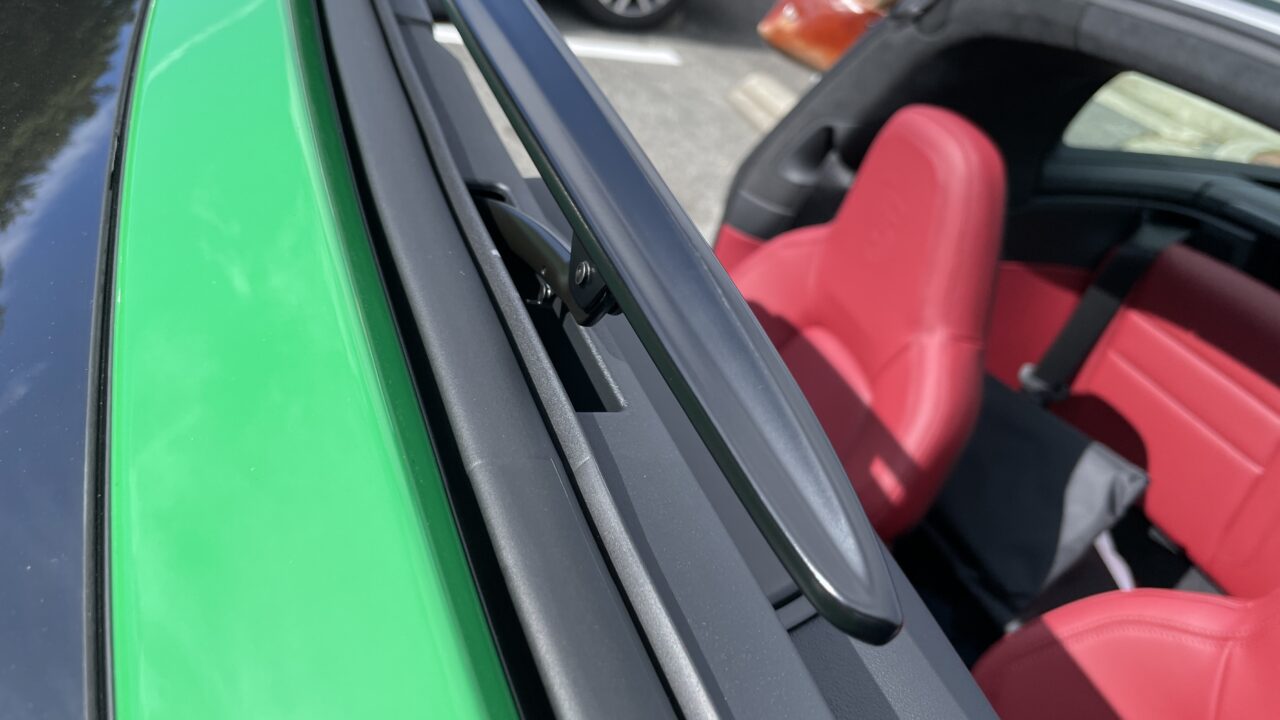
A manually operated wind deflector sits above the Targa’s windshield. Raising it reduces buffeting and wind noise. I didn’t find either the buffeting or the wind intrusion bothersome at all.
As I cruised out of the corners in Normal mode, the exhaust seemed a little quieter than in my cabriolet. The owner had also remarked, “It’s quiet, even with the Sport Exhaust.” I wondered whether the large rear glass and its operating mechanism might help block some of the sound.
Once I’d settled into the drive, I switched to Sport mode and started pushing the Targa a little harder. The Sport Exhaust valves opened, and the transmission selected one or two lower gears. As the revs climbed and I pressed the accelerator further, the engine sounded fantastic. This was no longer the “quiet” car the owner had described.
With two people on board, the Targa felt a little more measured under acceleration than my cabriolet. But I suspect the difference would be almost impossible to notice when driving alone.
Lift off the accelerator and you hear a wonderfully rousing “bub-bub-bub-bub!” from the exhaust. Compared with the standard exhaust on my cabriolet, this is the biggest difference: the Sport Exhaust’s more pronounced overrun burble. The standard exhaust can make a similar sound in Sport mode, but it’s lighter and softer—more of a “pop-pop-pop-pop”—rather than this clear, emphatic note.
As for the sound under acceleration, the two exhausts are much alike. If anything, the Sport Exhaust is just a touch louder. Unlike the 981 and 991.1 generations, I didn’t notice a dramatic difference in volume between the standard and Sport Exhaust systems.
In Sport mode, I noticed the difference in weight between the Targa and the cabriolet even less through corners. The engine mounts stiffen, and the whole car feels more muscular. Throttle response sharpens, and the 911 begins to react exactly as you ask it to.
I figured a tight uphill section would best reveal how the Targa’s rear-biased weight affected its handling, so I headed up Jūhachichō Corner and the Royu Esses, staying focused and tuning in to every response. But with my level of driving skill, I couldn’t detect any difference. The car carved eagerly through every corner, with tremendous traction and not the slightest hint of uncertainty at the front.
Then I remembered: the Targa is all-wheel drive!
The Targa is probably all-wheel drive in part to help offset the weight around the rear. Sending power to the front wheels also means placing drivetrain components up front, helping balance the weight distribution. And clever torque management across all four wheels seems to erase any potential downside.
The result is a car that feels genuinely enjoyable and fast. And you never have to think about the fact that it’s all-wheel drive.
Final Thoughts After Driving the Targa
When the drive was over, I was once again amazed by the Targa’s performance and the sophistication of its engineering. One of Porsche’s greatest strengths is that it doesn’t simply “add a Targa top” or “fit an all-wheel-drive system” and call it done.
Porsche takes the time to carefully tune and develop each version around its overall balance. It feels like far more than a simple trim-level addition—almost as though Porsche has tested and validated it with the same care another manufacturer might give an entirely new model. That’s how thoroughly resolved it feels.
The Targa delivers the elegant, refined ride you’d expect from its graceful looks. But put your foot down, and it also delivers the uncompromising performance of a true 911.
I spent some time thinking about who the 911 Targa is best suited to. It’s certainly a great choice for anyone who wants the sporty performance of a 911. But it’s especially appealing if you want a more luxurious ride than the Carrera offers and your driving is more likely to involve city streets, dates, and shopping trips than winding roads. That’s the kind of car the Targa is.

If you enjoy this blog, follow along.
Comment ( 0 )
Trackbacks are closed.
No comments yet.