

Buying a Porsche 911 Carrera T: Why I Chose Left-Hand Drive
公開日:

コンテンツ
Why Choose a Left-Hand-Drive Porsche?
The other day, I received this question on the blog:
Why did you choose left-hand drive for the Carrera T?
When the 911 Carrera ST was announced in 2023, I told my Porsche Center contact that I’d love to reserve one.
Since it’s an ST, I’m assuming it’ll be manual transmission only.
I have no problem driving a left-hand-drive car, but for everyday use in Japan, I’d always thought I’d choose right-hand drive. Then my Porsche Center contact said, “If you’re ordering an ST, it has to be a left-hand-drive manual…”
Is the driving position in a 911 really that different between right- and left-hand drive? I’d be interested to know why you chose left-hand drive in Japan—even though you usually drive a right-hand-drive Swift Sport. Was resale value a factor, or were there other reasons?
Thank you for the question!
When I was buying a Carrera T, I said, “If I’m getting one, I might as well go for the manual,” and my husband replied, “Don’t get right-hand drive—you absolutely have to get left-hand drive.”
I’d asked him from time to time about the “differences in driving (pedal) position between right- and left-hand-drive cars,” and quite a few people around us drive left-hand-drive cars, too. So I just thought, “Yeah, that makes sense,” and chose left-hand drive without giving it much more thought! (laughs)
So I asked my husband to explain again why he recommends left-hand drive when buying a Porsche. Here’s a quick summary of what he told me.
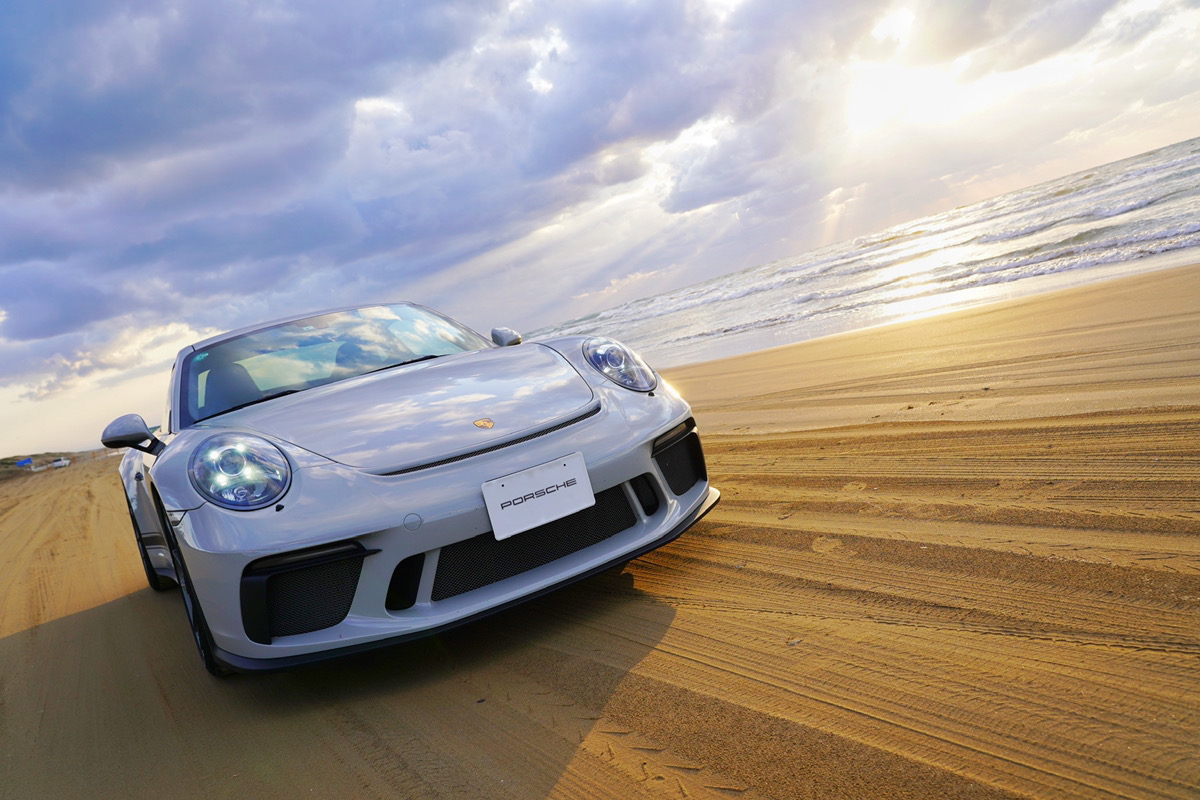
Why Left-Hand Drive Makes Sense
My husband started by saying:
“If you’ve only ever driven right-hand-drive Porsches, you might not notice anything wrong. But having driven both, I can say that left-hand drive is by far the easier of the two.”
1. The main hassles are turning right, merging, and taking a parking ticket
According to my husband, there aren’t many situations where left-hand drive feels inconvenient in Japan. The main ones are “turning right, merging, and reaching the machine to take a parking ticket.” On the other hand, with left-hand drive, you can see more clearly whether a motorcycle is coming up behind you when turning left. You’re less likely to cut someone off, and it’s easier to position the car close to the edge of the road. Overall, he finds it easier to drive.
When turning right, he says, you can angle the car a little to get a better view of oncoming traffic, depending on the road. When merging, check behind you early and, if needed, lean forward to get a better view and take your time. (That said, rear visibility over the right shoulder in a Boxster is terrible.)
Some parking lots have ticket machines for left-hand-drive cars. And even if there’s only a machine for right-hand-drive cars, you can use a “magic hand” grabber to reach the ticket, so it’s not a big deal.
2. Easier to drive if you’re right-handed
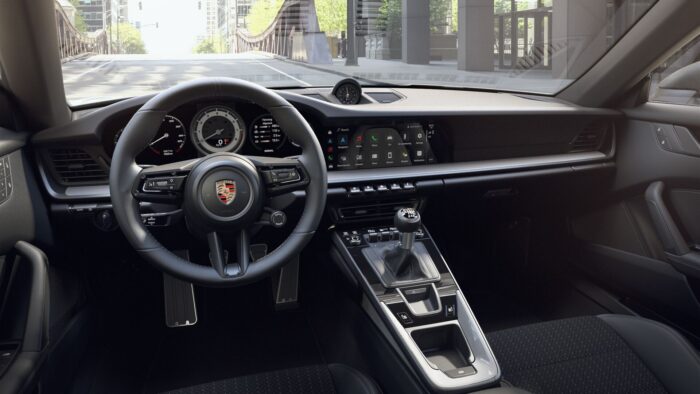
With a left-hand-drive car, you can use your dominant right hand to shift gears and operate the buttons and switches on the center console, which feels more natural. If you only drive right-hand-drive cars, you might not find them difficult to use, but the moment you get behind the wheel of a left-hand-drive car, the controls feel surprisingly intuitive and easy to operate.
3. Your left hand doesn’t have to do everything
In an imported car with right-hand drive, the turn signal is on the left, and so is the gear lever—so your left hand gets especially busy in a manual (laughs). In a left-hand-drive car, your left hand handles the turn signal while your right hand operates the gear lever and buttons. Using both hands makes driving feel easier, especially when turning.
4. The pedals feel more naturally positioned
Porsche’s pedal layout is designed for left-hand drive. When that layout is carried over to a right-hand-drive car, the pedals end up shifted toward the left, which can feel awkward. (The right-side wheel takes up space, pushing the pedals farther to the left.)
Below are photos my husband took when he drove a right-hand-drive 911.
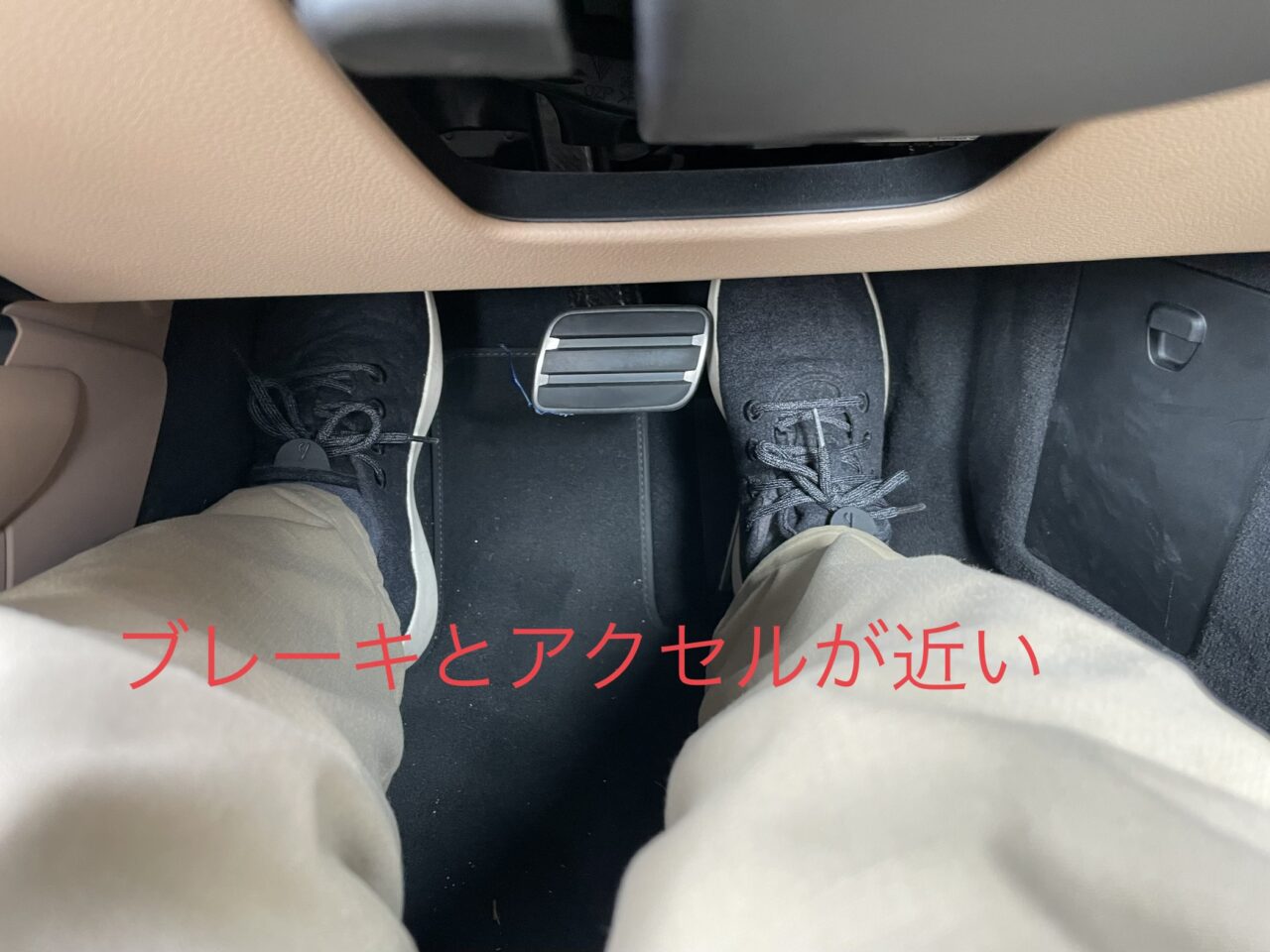
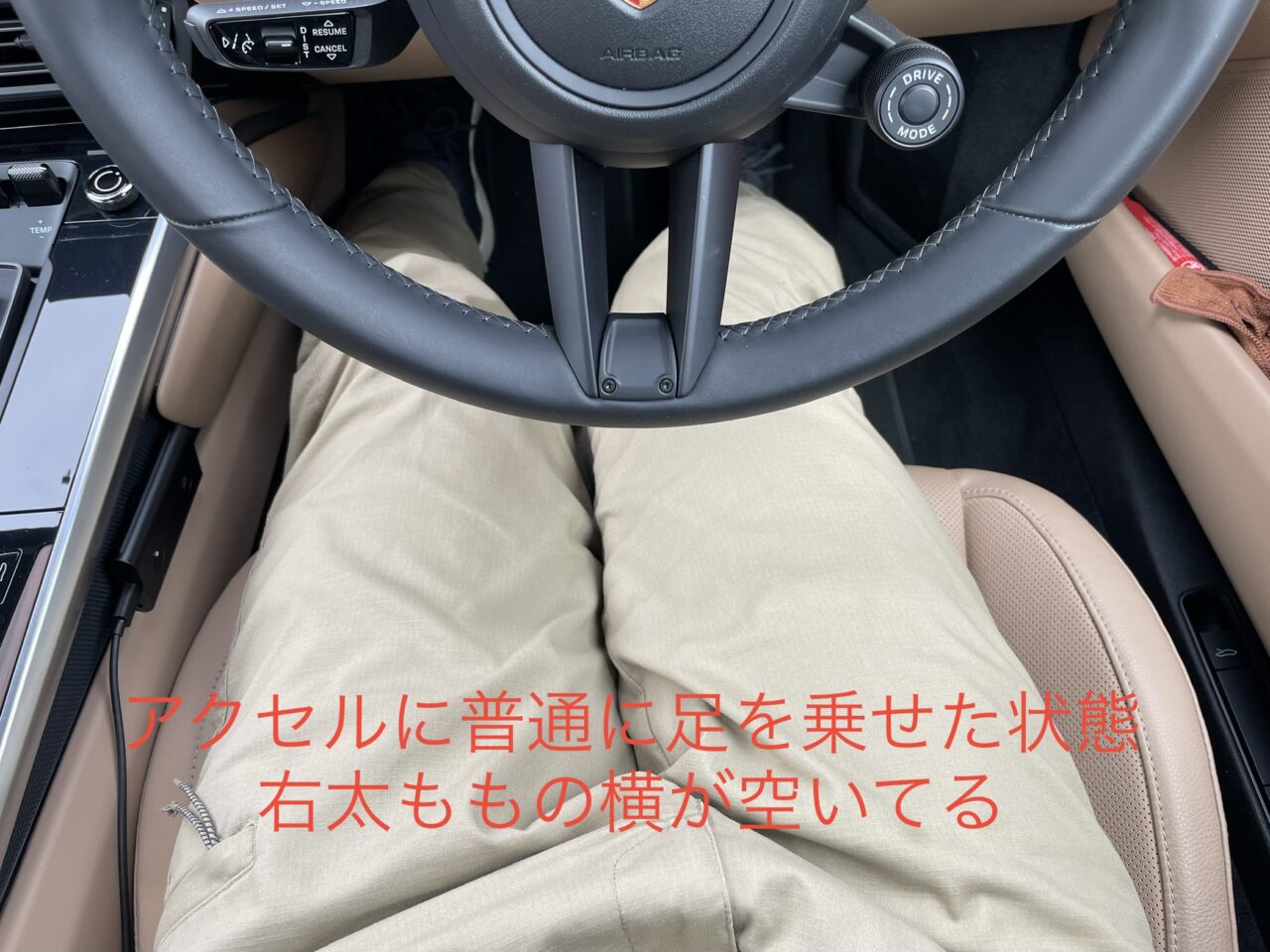
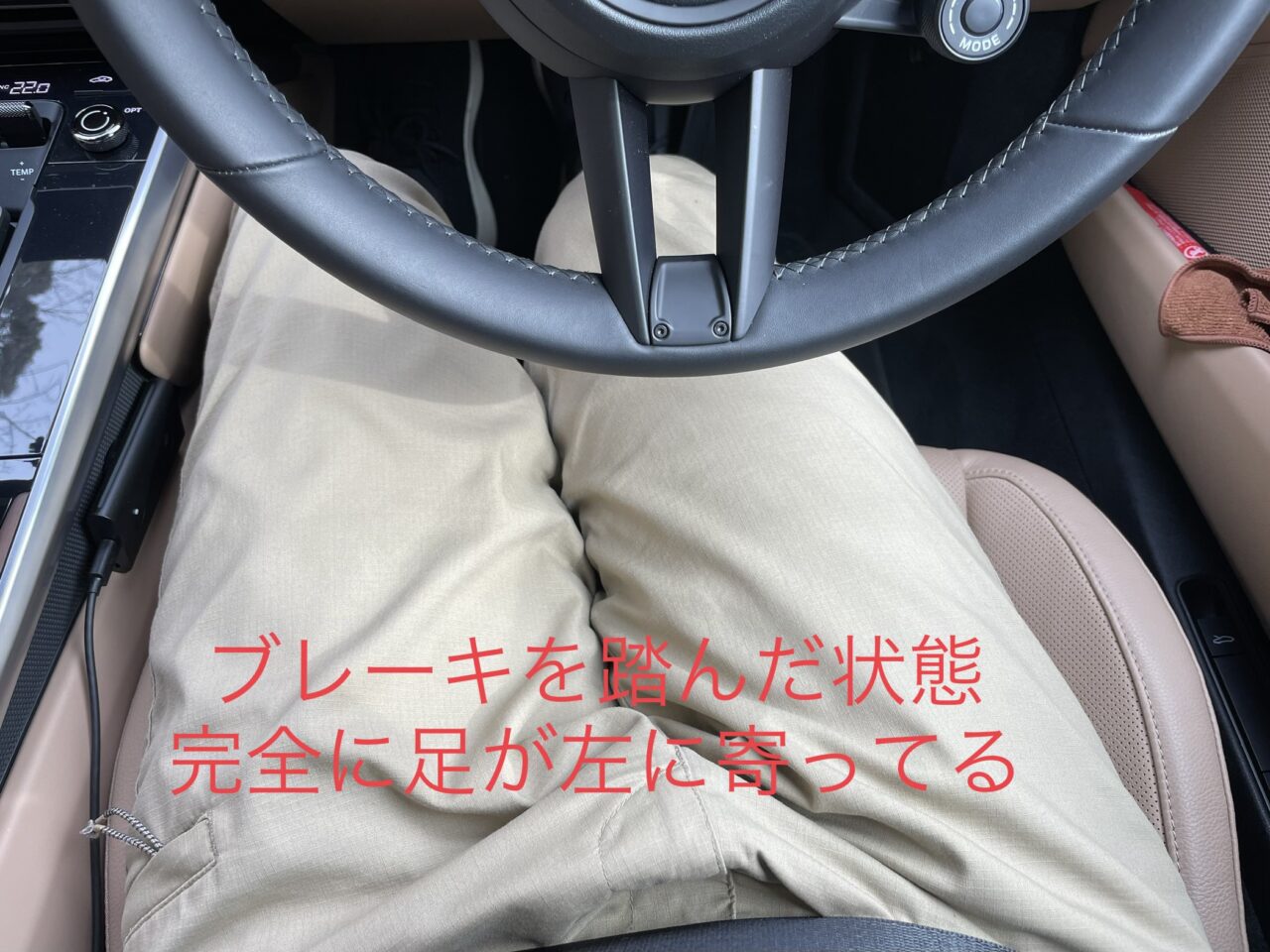
I remember feeling something similar in a Cayenne I borrowed as a loaner car—though maybe it was a different model. At first, the pedals didn’t seem to be where I expected them to be. You can get used to it, of course, but after driving both versions back to back, I think left-hand drive feels more natural and easier.
5. Left-hand drive can add long-term value to a limited-edition model
Finally, my husband put it this way:
“This might sound a little over the top, but I think owners of limited-edition models have a responsibility to preserve them as part of our automotive heritage. In a way, we’re just looking after these cars for a while (laughs).
Maybe decades from now, one of them will end up in a museum.
That’s why I think it’s better to order the car in its original home-market specification, rather than changing it unnecessarily to suit Japan. Left-hand-drive countries make up the vast majority of the world, so left-hand-drive cars are likely to be worth more on the global used-car market in the long run—they appeal to a worldwide market. I imagine dealers would also prefer customers to choose left-hand drive.
For a regular production model, right-hand drive may be perfectly fine. But for a limited-edition model, I think it’s better to go with left-hand drive and keep it true to the global standard.”
That’s an interesting perspective. I hadn’t thought about it that deeply at all—I chose left-hand drive pretty casually. Once the car is delivered, I’ll share more about how it feels to drive in practice.
このブログが気に入ったらフォローしてね!
Comment ( 0 )
Trackbacks are closed.
No comments yet.