

What Does a Porsche Owner Think of the Subaru WRX STI?
公開日:2020.12.08

The other day, I wrote about getting the chance to drive a blog reader’s Subaru WRX STI. This time, my husband has shared his impressions. We hope you enjoy reading them.
Memories of the First-Generation Subaru Impreza
I wonder how many years it’s been since I last drove an STI. When I was younger, I often rode in a friend’s Impreza. If I remember correctly, it was a first-generation, two-door Impreza WRX Type R STI Version.
When I’d just started my first job, I’d finish work early on Friday nights and head to the ski resorts in Gifu with my friends almost every week, flying along the expressways and snowy roads. The Impreza STI was the perfect express ride to the slopes.
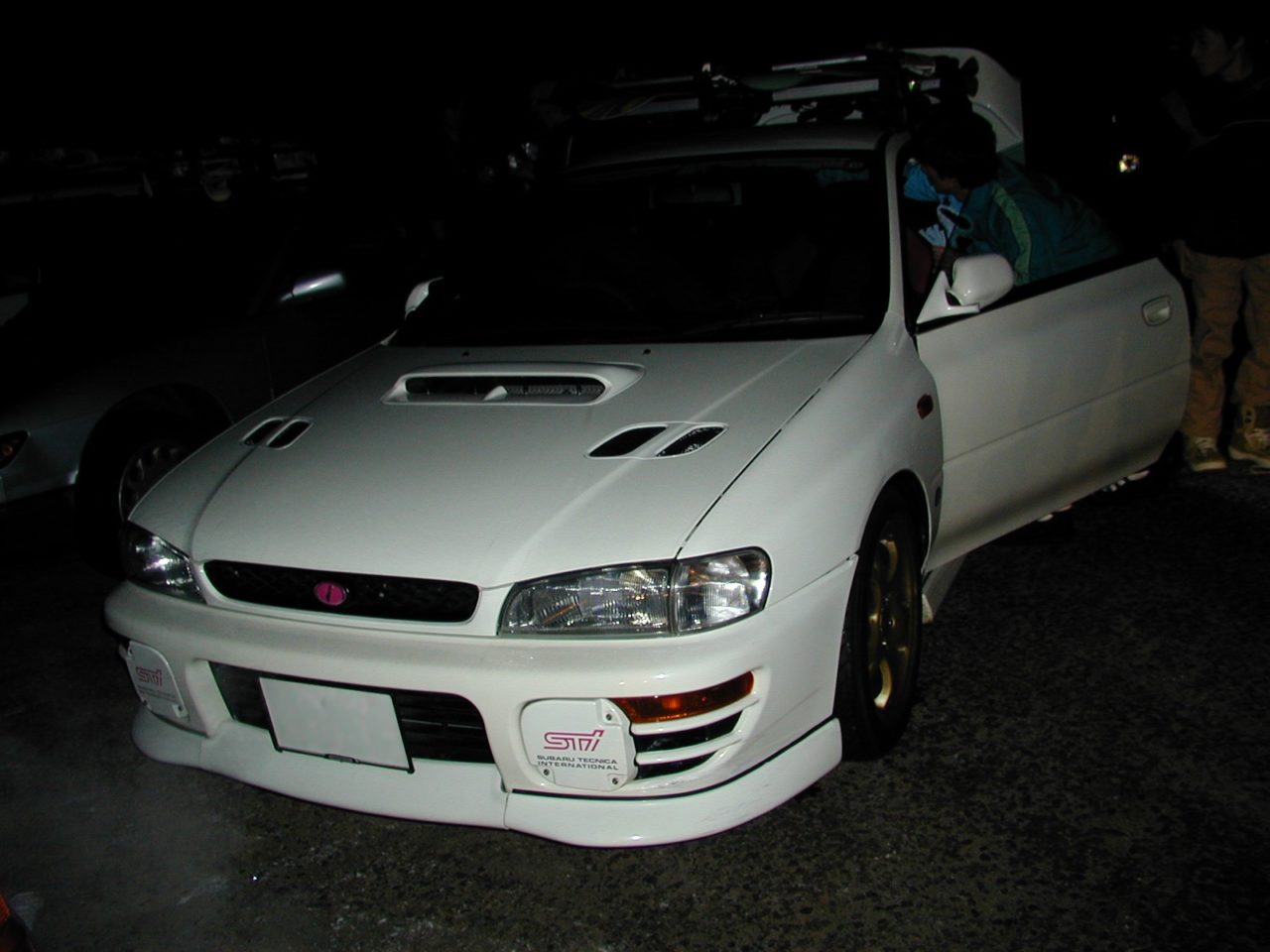
A photo from back then. We used to take this car skiing all the time.
I still remember how thrilled I was the first time I drove it. The short gearing and 280-PS turbo engine delivered an explosive surge of acceleration. Even cruising in fifth gear, it accelerated so sharply when overtaking on the expressway that it felt like I might run into the car ahead. Its incredible stability made me think it could take any highway bend at 180 km/h without breaking a sweat.
I still vividly remember thinking what a fast, comfortable car it was.
At some point, my friend fitted aftermarket lowering springs, a heavier clutch, and a ridiculously loud exhaust. That threw the car out of balance, leaving it with an awful ride and making it very difficult to drive. Until then, though, it had been a car I truly loved and still remember fondly.
Driving the Subaru WRX STI
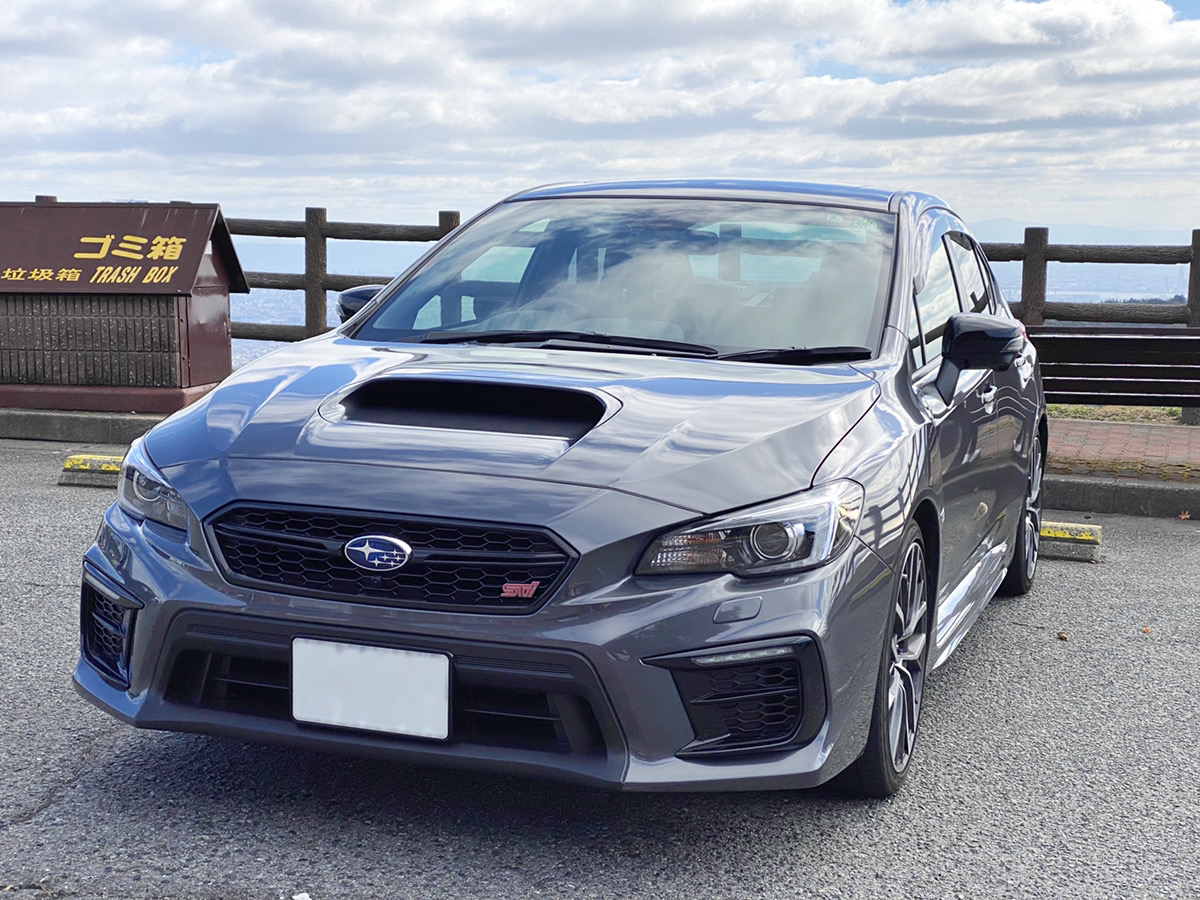
Now, here in front of me, is the latest STI—a Subaru WRX STI from nearly 20 years later.
The legendary EJ20 engine is now a rarity: a non-direct-injection engine that uses port fuel injection. This flat-four produces 308 PS and 43 kgf·m of torque. It also revs high by modern turbo-engine standards, with peak power at 6,400 rpm and maximum torque at 4,400 rpm.
The cabin, fitted with Recaro seats, is exceptionally comfortable. They gently hug your body and make it easy to settle into a proper driving position.
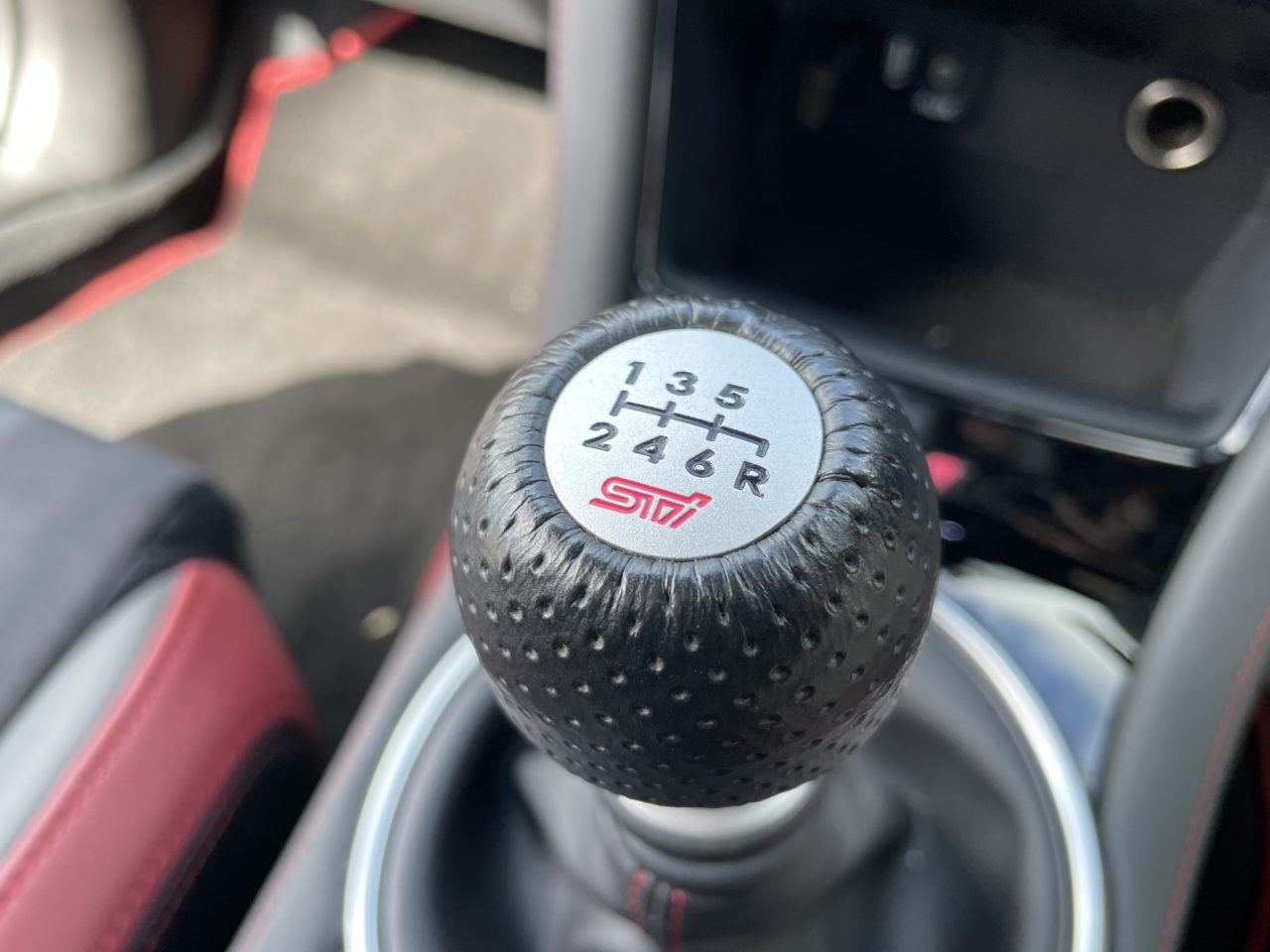
I move the shifter into first. The throw is on the long side, and it doesn’t click crisply into gear. Instead, there’s a slightly rubbery feel to it—more like a regular manual-transmission car than a high-performance sports car.
The clutch isn’t especially heavy, either, which makes it surprisingly easy to use. The engagement point is a little narrow and seems to sit fairly high, but I quickly got used to it and pulled away without any real difficulty.
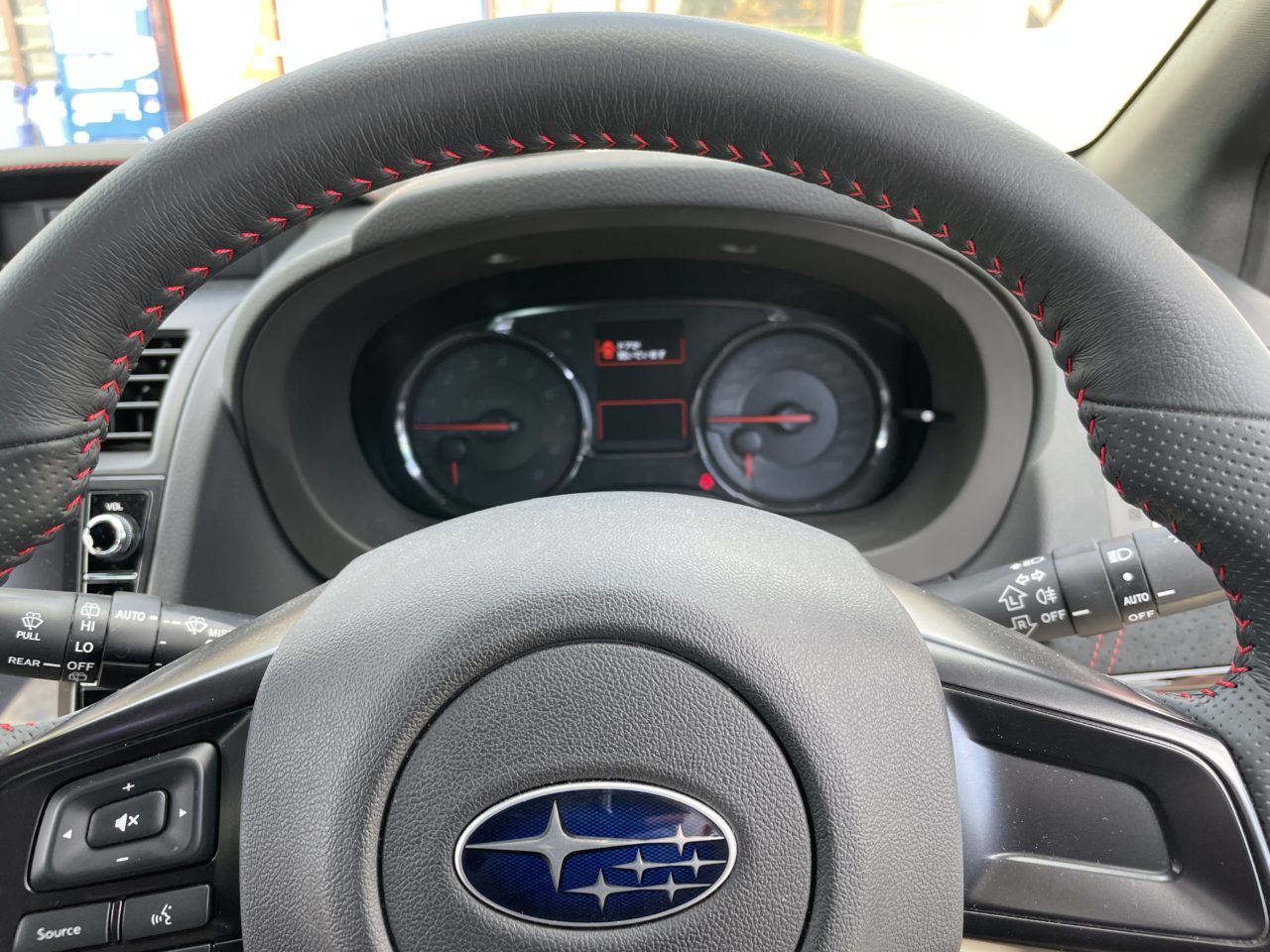
My first impression as I set off is that the car feels “light.” That word can mean a lot of things, but here I don’t particularly sense the solid body structure or planted feel I’d expect from a high-performance sports car. Instead, it moves along with the ease and relaxed, everyday feel of an ordinary car.
My memory may be a little hazy, but compared with the first-generation STI, this one feels a lot more approachable. I take a corner slowly. At a relaxed pace, the nose changes direction quite quickly when I turn the steering wheel.
“Yes, this is what an STI feels like.” As I think that, I start getting used to the engine and the shifter.
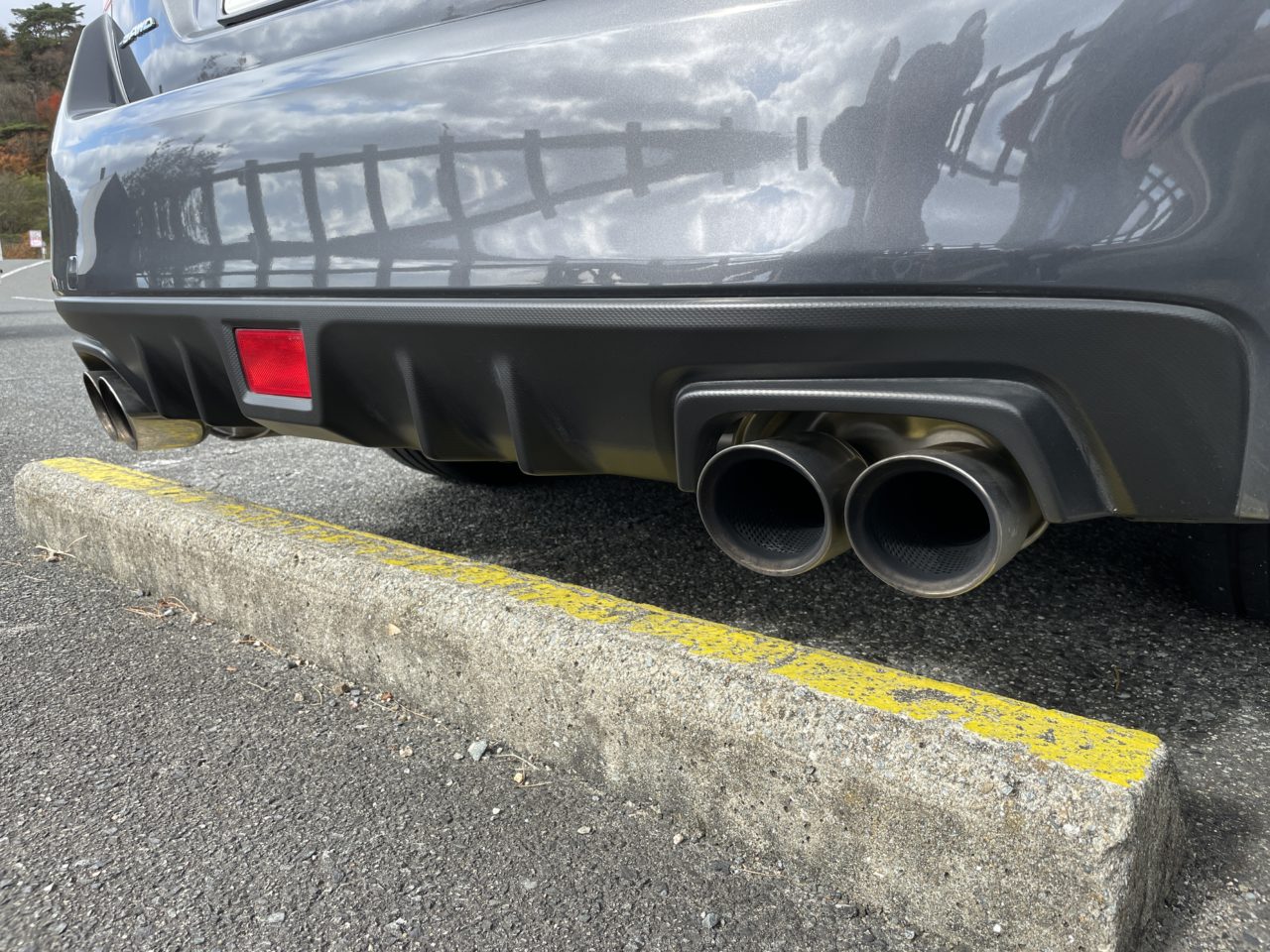
Low-speed torque is on the modest side, and the engine is relatively quiet. Compared with the 718 Cayman, which also has a 2.0-liter flat-four, the STI feels quite subdued overall.
As I let the engine rev a little higher, though, it starts pulling with authority from the mid-range. A strong wave of torque builds, and the car surges forward. Even as the revs climb, there’s none of the power drop-off often associated with turbo engines. This really is a high-revving engine.
With 308 PS, the acceleration isn’t brutal, but the car is certainly quick.
Under acceleration, there’s a brief sensation that the tires have lost contact with the road, but the car soon seems to intervene and then grips firmly as it continues to accelerate. I brake before a corner. The brake pedal has a fairly long travel and doesn’t take much effort to press. The brakes aren’t weak, but since I’m not used to them, it’s a little difficult to modulate my speed.
To be honest, compared with the 718 and similar cars, there’s a noticeable difference in brake feel, rigidity, and control.
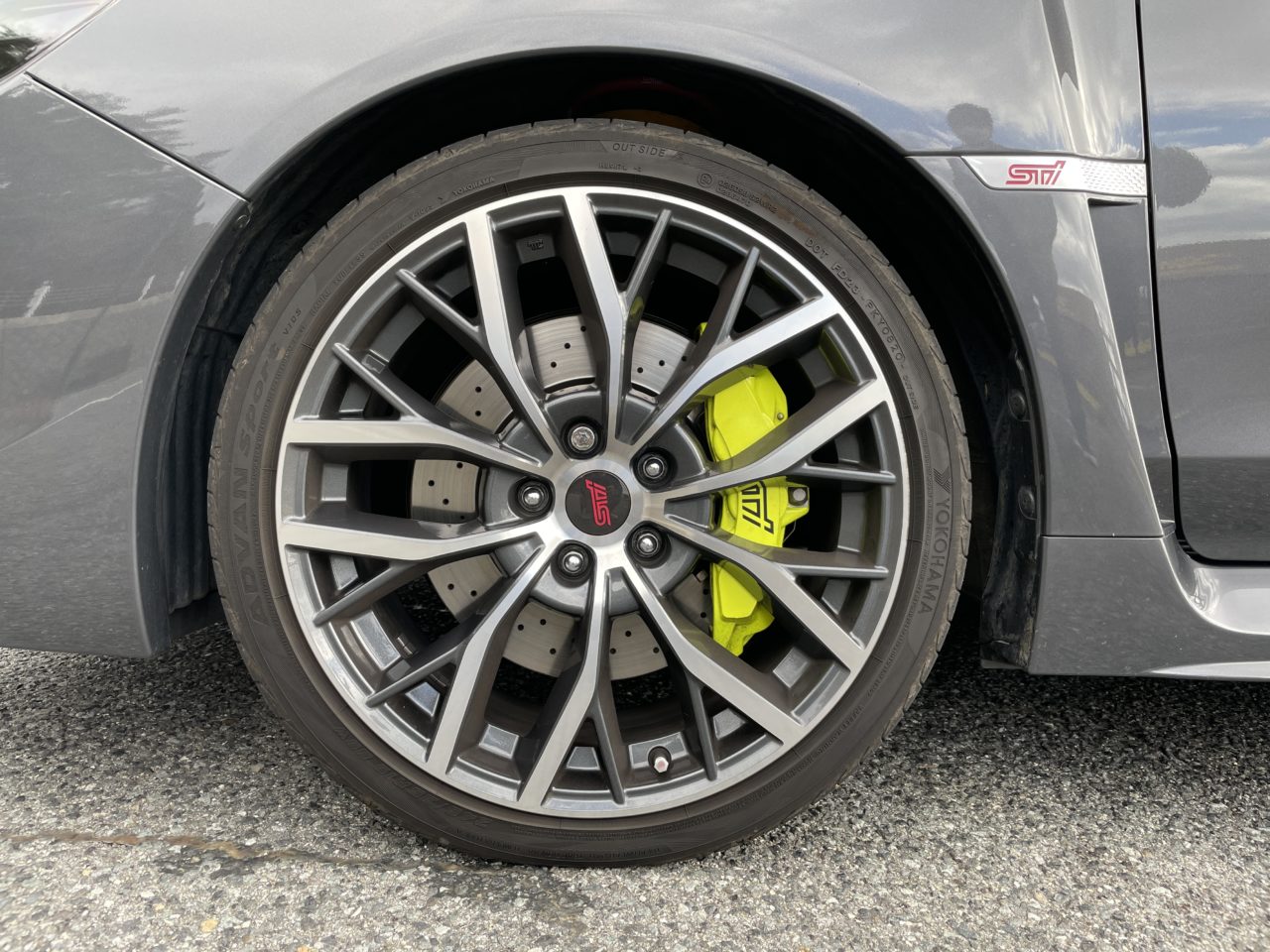
Downshifting is easy: give the throttle a quick blip and release the clutch. Some cars can jolt if the revs don’t match precisely, but this one doesn’t seem to require that kind of precision.
| Next page → How does the Porsche 718 compare with the WRX STI (VAB)? Final thoughts |
このブログが気に入ったらフォローしてね!
Comment ( 0 )
Trackbacks are closed.
No comments yet.