

Porsche Brakes Explained: PCCB vs. PSCB vs. Standard Brakes—and How to Choose
Published:


コンテンツ
When talking about Porsche, brakes are a subject you can’t ignore.
Often called “the best brakes in the universe,” Porsche’s braking systems are just as important as the cars’ acceleration. Anyone who has driven a Porsche knows these brakes aren’t simply there to bring the car to a stop. They’re works of art that teach you the joy of controlling deceleration.
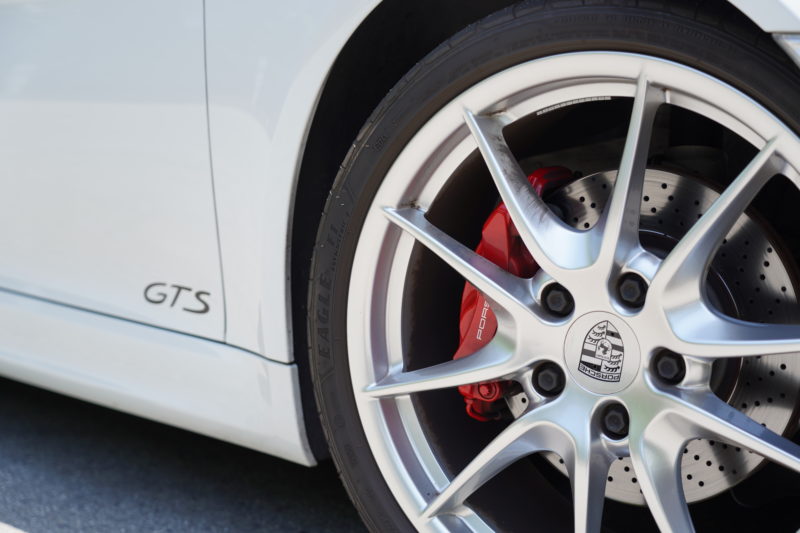
ボクスターGTSのタイヤ
I was amazed by the brakes when I first drove a 981 Boxster GTS.
Plenty of cars make acceleration feel exciting, but Porsche is the only one that has made me enjoy slowing down just as much. Readers sometimes ask whether they should option PCCB, so let’s take a closer look at Porsche’s braking systems and how to choose between them.
Standard Porsche Brakes Deliver Performance on Another Level
Porsche’s standard brakes use cast-iron discs.
Most feature internal ventilation, and cross-drilled discs are available on some models. Depending on the specification, the brakes use four- or six-piston calipers to deliver excellent stiffness and responsiveness.
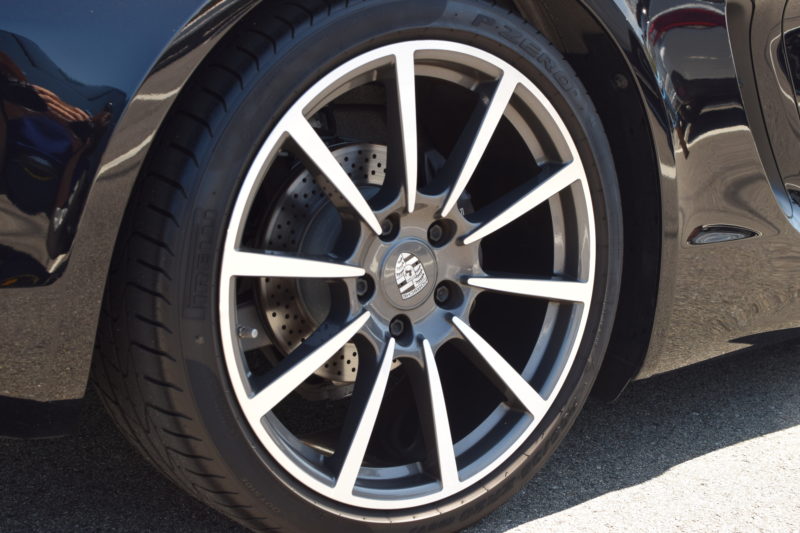
ボクスターブラックエディション
One defining feature of Porsche brakes is their short pedal travel. Within that short range, braking force is designed to respond to how firmly you press the pedal. It may take a little getting used to at first, but once it clicks, it’s fantastic. Just as you use the accelerator to control acceleration, you can use the brake pedal to control deceleration. It’s a feeling you won’t find in any other car.
The braking power itself is exceptional, but what really sets Porsche brakes apart is their remarkable controllability.
PSCB vs. PCCB: What Sets Them Apart?
PSCB stands for Porsche Surface Coated Brake. It uses cast-iron discs with a ceramic coating. Its distinctive white calipers are matched by greatly reduced brake dust.
The brake system was developed by Japan’s Akebono Brake Industry and is available on models such as the Cayenne. However, it isn’t offered on dedicated sports cars like the 718 or 911.
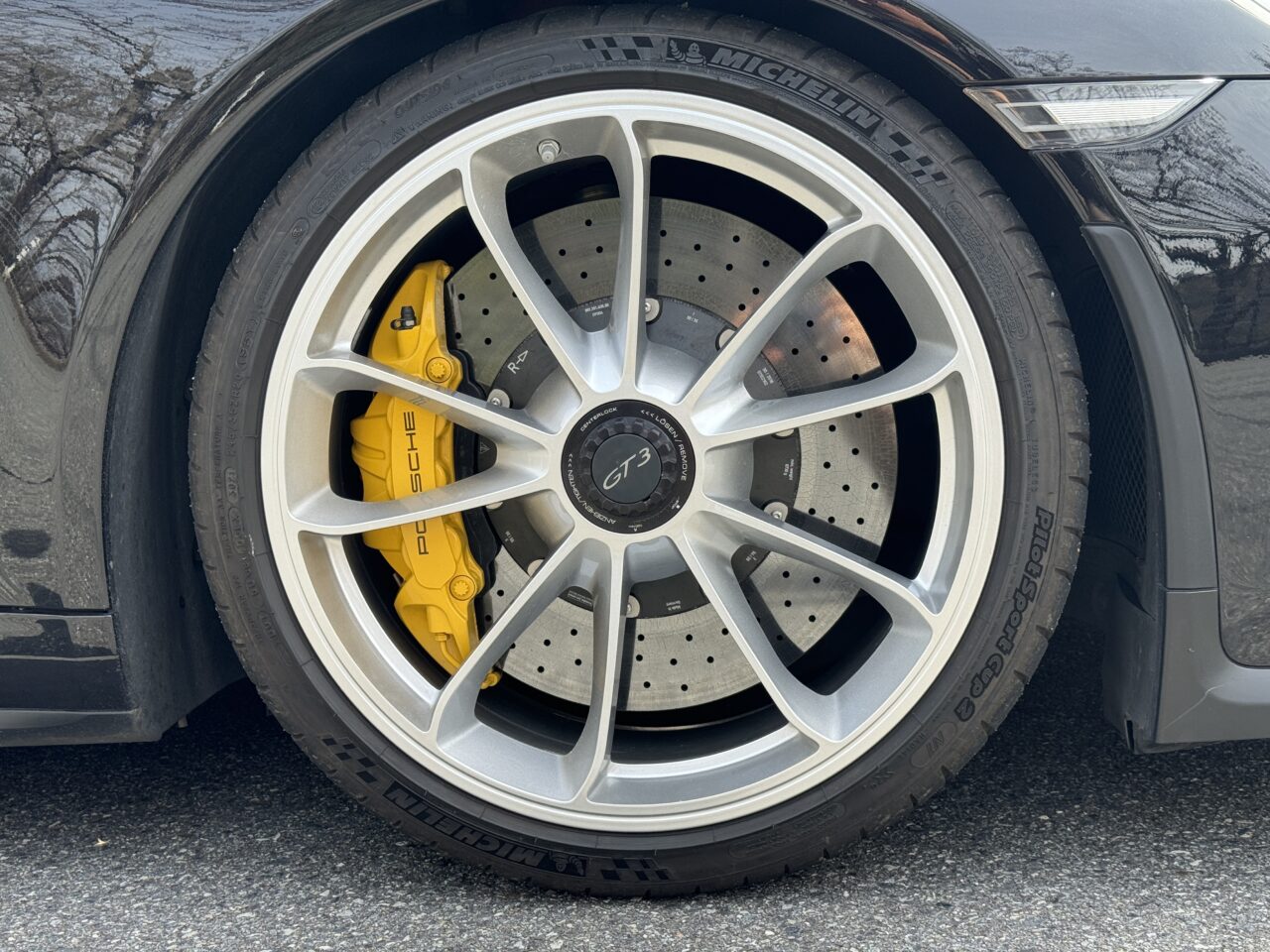
PCCB装着車
Then there’s PCCB, famous for its yellow calipers.
Porsche Ceramic Composite Brakes use ceramic discs that weigh more than 50% less than their cast-iron counterparts. They deliver consistent braking across a wide range of temperatures, even under repeated heavy braking. The dramatic reduction in unsprung weight allows the suspension to respond more quickly to the road, significantly improving grip, steering response, and high-speed stability.
The first car I equipped with PCCB was a 991 GT3 Touring, and its high-speed stability exceeded my expectations. Even on the same GT3, the driving feel changes noticeably depending on whether it has PCCB. At low speeds, the standard brakes feel a little more progressive, but PCCB comes into its own as speeds rise. The whole car feels lighter and more agile. Once you experience the difference, a price that’s generally over ¥1.5 million, depending on the model, starts to make sense.
Common PCCB Concerns and How to Choose
I often hear people worry that PCCB doesn’t work well when cold, but that concern is a thing of the past.
In my experience, PCCB systems from the 991 generation onward work normally from the moment you set off. Some drivers say the feel is different and takes getting used to, but most adapt after just a few brake applications. In fact, the grabby brakes found in many Japanese cars can be much harder to get used to.
That said, I wouldn’t recommend PCCB for anyone who drives on track frequently.
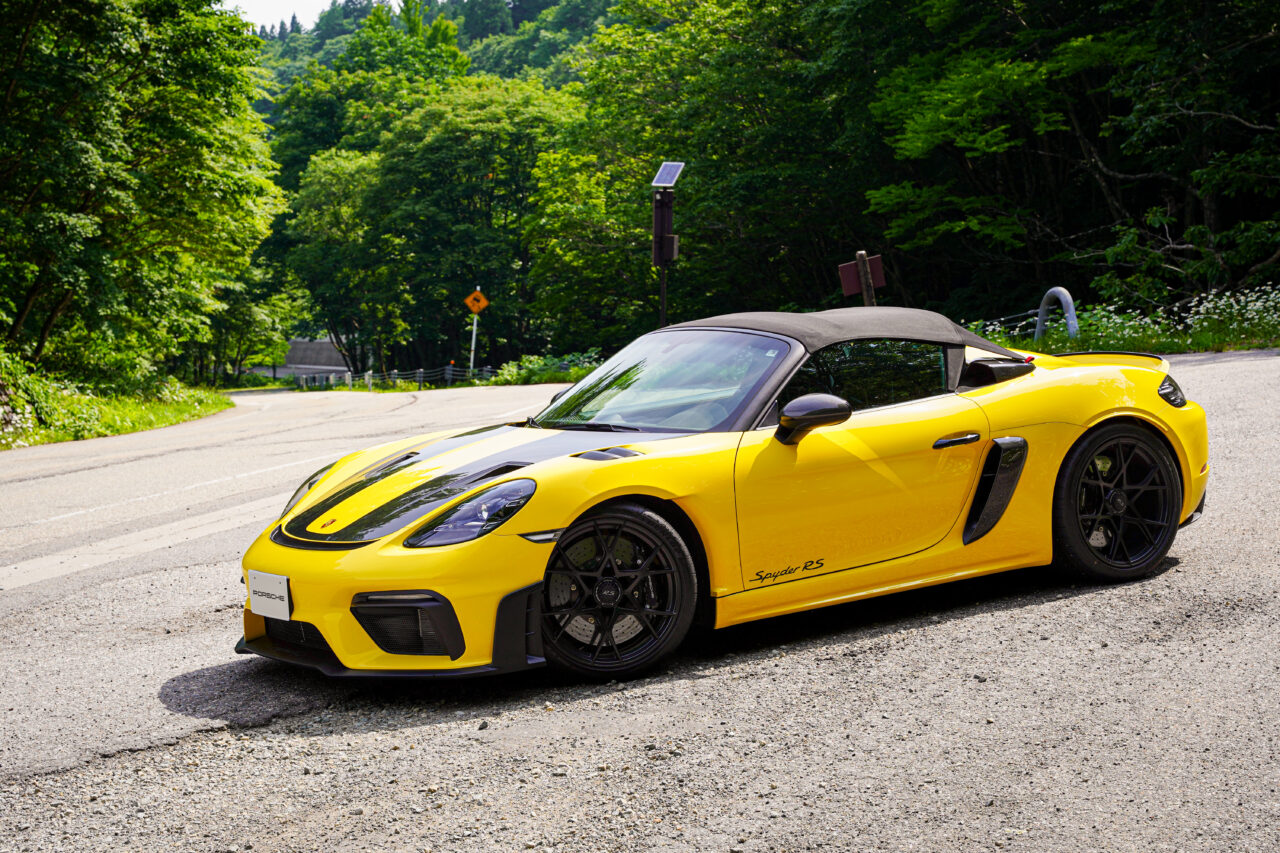
It’s not ideal for sustained use in extreme conditions, and replacement costs can be enormous. But if you mainly drive on public roads and only do a light track day once or twice a year, PCCB is absolutely worth choosing. My Spyder RS has PCCB, and even after driving 2,000 or 3,000 kilometers, the wheels stay completely clean. Once you’ve experienced that convenience, it’s hard to give up.
In my view, PCCB is best reserved for the Porsche that really means something to you.
That might be a Porsche you plan to keep for years, or a special model such as an RS or limited edition. PCCB is worth considering on cars like these. If you’re buying a range-topping model, it makes sense to give it the best brakes, too.
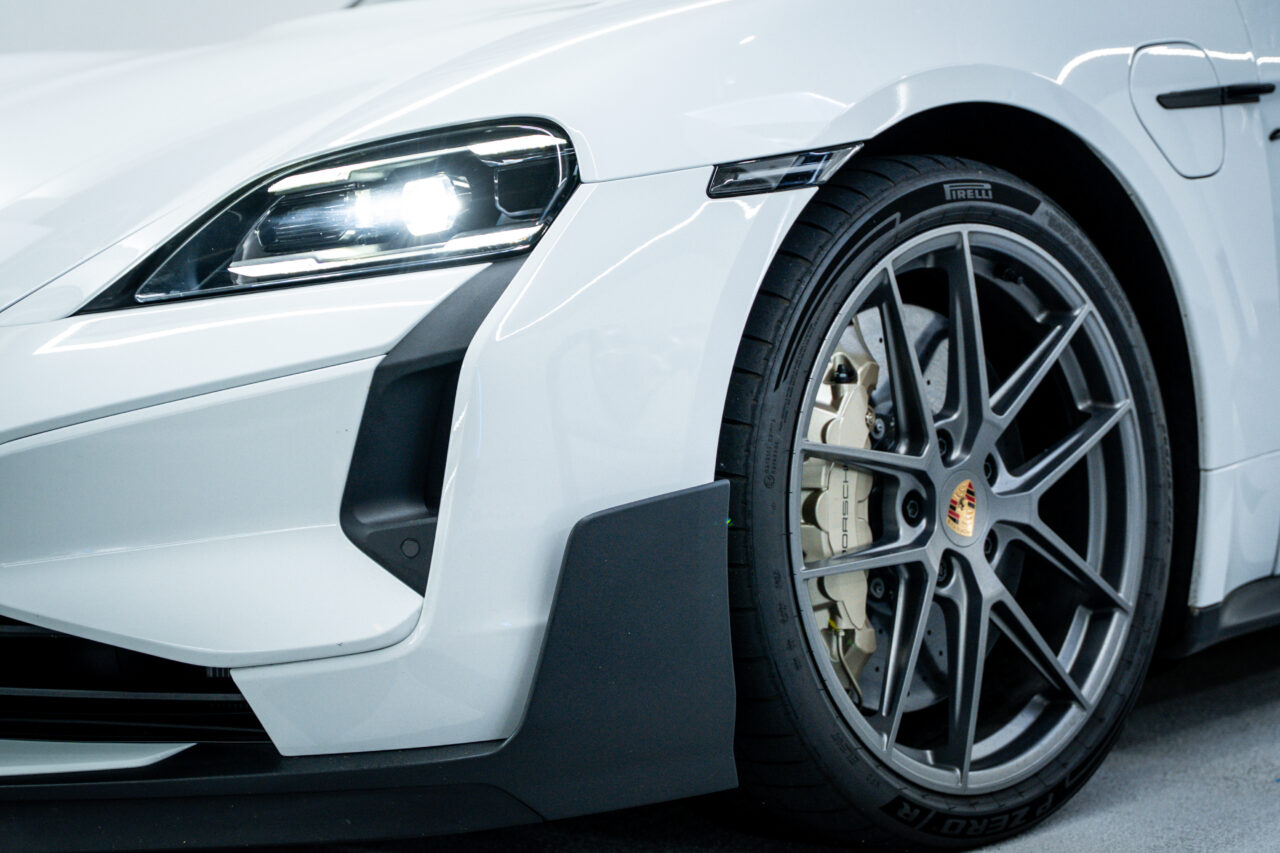
In practice, the improvement PCCB brings to the driving experience can justify its price.
High-speed stability, sharper steering response, and—above all—the ability to keep your wheels looking clean all help make Porsche ownership more rewarding. Ultimately, it comes down to your budget, but choose an option you won’t regret. Porsche brakes are more than just components. They’re an upgrade that can take your Porsche to the next level.

If you enjoy this blog, follow along.
Comment ( 0 )
Trackbacks are closed.
No comments yet.