

Why Are White, Black, and Silver Cars So Popular in Japan?
公開日:2018.05.17

I Finally Joined Instagram
I finally got around to joining Instagram recently. My husband recommended porsche.sport.germany, saying, “This account is really good.”
The account belongs to someone in Germany who posts photos of Porsches in all kinds of models and colors every day. Every shot is gorgeous—and the account has an incredible 529,000 followers!(As of May 2018) Amazing. How do they find so many different Porsches to photograph? Do they spend all day hunting them down—or are the streets of Germany just packed with Porsches? (Maybe!)
Here’s a taste of the photos:
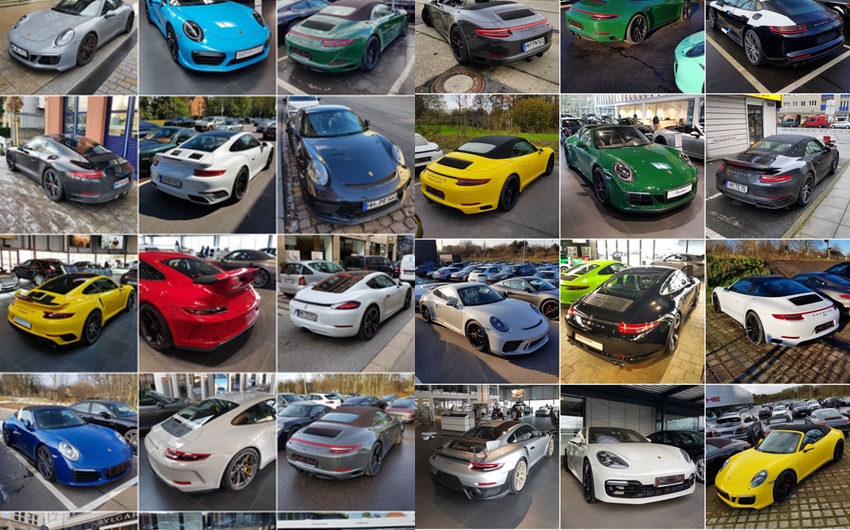
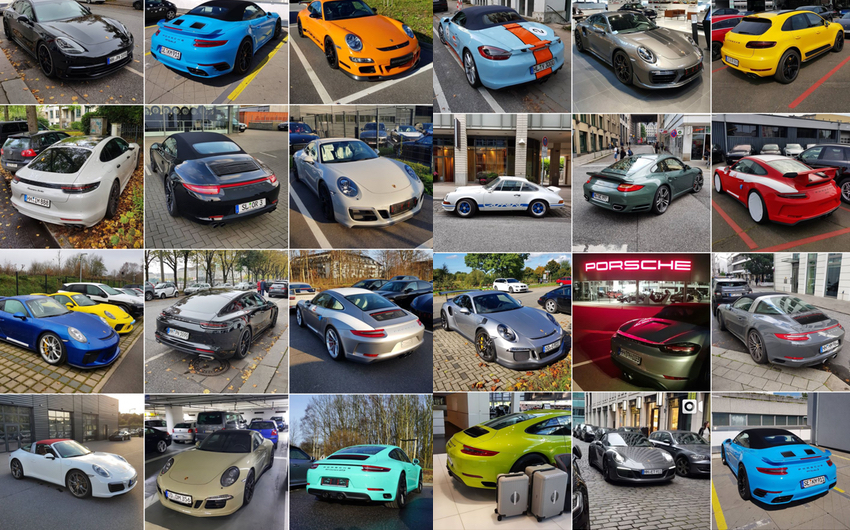
As I admired all the vivid, beautiful colors, a question suddenly came to mind.
“Why are Porsches in Germany so colorful? ( ゚д゚ )”
White, black, and silver are still common, but compared with Japan, you see far more brightly colored Porsches.
I asked my husband, “Why are there so many colorful ones? I’ve never seen Porsches in colors like these in Japan.”
“In Japan, white, black, and silver tend to fetch higher prices on the used-car market, so I bet lots of people choose those colors when buying new, too. If you get a red one, it’ll lose a lot of value when you sell it.”
That made sense.
Are the Color Options Different?
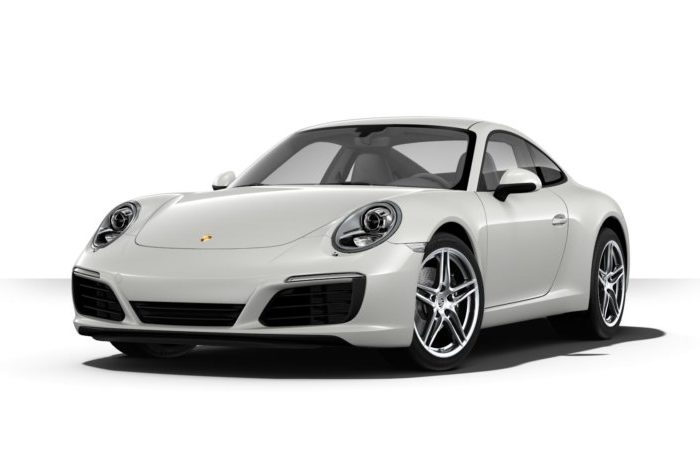
I wondered if Porsche offered a wider range of colors in Germany, so I compared the websites. I looked at the standard 911. Here’s the German Porsche site:

Source: Official Porsche website, “Porsche 911 modellÜ”
And here’s the Japanese site:

Source: Porsche Japan official website, “911 Carrera Models”
The default color shown is different—white in Germany and black in Japan—but the only color missing from the Japanese lineup is the special color Crayon; otherwise, the options are the same. The prices were almost identical, too. Here’s Crayon, by the way:
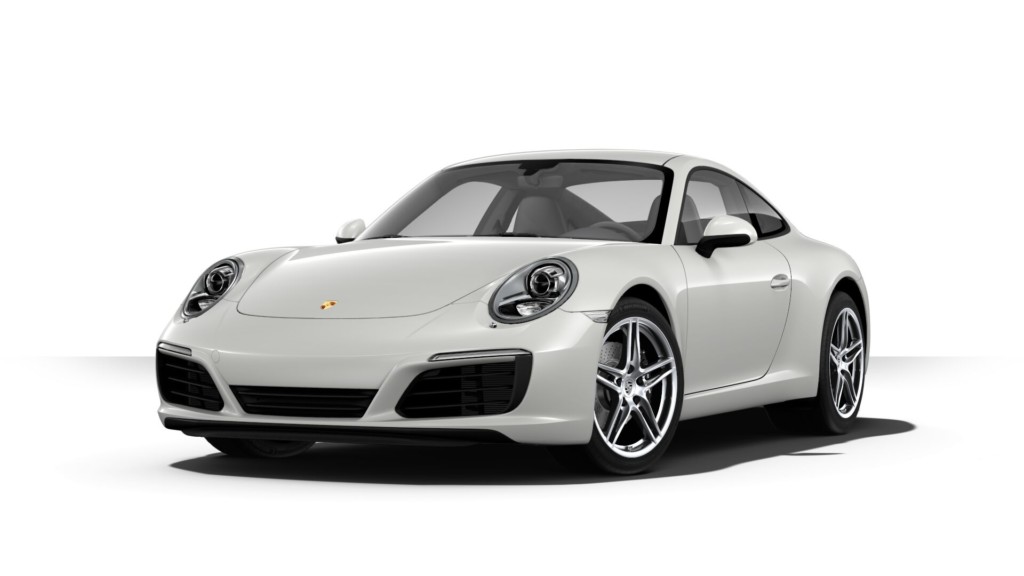
It’s gorgeous. It’s a shame that, at the time, you couldn’t choose this color for a 911 in Japan. (-_-)
How Carmakers Manage Production
I’d heard before that building a car takes time, so manufacturers start by producing large numbers of safe, popular colors—white, black, and silver—and shipping them to dealerships. Those cars become dealer inventory, so salespeople naturally try to sell them first.
If a customer asks for red, they might hear, “A red one would have to be built to order, so it’ll take three months. We can deliver a white one right away,” or “Red won’t hold its value as well when you sell it, so black is the safer choice.” And so, more and more people end up buying white, black, or silver.
Does Japan’s Social Climate Play a Big Part?
But I think there’s a bigger reason than the idea that we’re simply falling for carmakers’ and dealerships’ strategies: the distinctive social atmosphere in Japan.
Japan has a strong tendency to value fitting in with everyone else. People can be especially wary of standing out. Maybe that’s understandable in a relatively homogeneous island nation—and there is comfort in being like the people around you.
A classic example is the job-hunting process for university seniors. When recruitment season begins, students dye their hair black, put on black suits, attend large-scale job fairs, study for aptitude tests, and work hard to land offers from well-known companies. Parents and teachers often encourage them to “do your best at job hunting and get a job at a big or famous company.” For many, not job hunting at all doesn’t even seem like an option. But when you think about it:
“Why does everyone have to job-hunt at the same time?”(I did it myself about 15 years ago, without questioning it, too.)
You could skip the traditional job hunt and start working freelance. If there’s a company you want to work for, you could contact them—even if they aren’t advertising a position. You don’t have to wear a black suit; wear a color you like. And if your hair is brown, why not go job hunting with it that way?
What’s Conventional Isn’t Always Right
It feels as if values that were once considered perfectly acceptable are now being overturned one by one. People used to praise employees who worked overtime; now they’re told, “Don’t drag things out—go home early!” Work used to mean going into the office, but more and more companies are offering remote and work-from-home options. It’s striking how quickly what society considers “normal” can flip 180 degrees.
Doing what everyone else does isn’t necessarily right. A life spent following the crowd without ever questioning it can be fragile. Even if you’re different from the people around you, I think it’s better to value what you want and the person you want to be. After all, you’re the main character in your own life.
I’m Going to Buy a Bright Red One!
The same goes for car colors. If you want blue, choose blue; if you want red, choose red. Even if it makes you stand out in your neighborhood or lowers the resale price a little, go for it if that’s what you want.
…That’s easy for me to say. When we were choosing our Panamera, I initially said, “Let’s get Sapphire Blue!”(Like this ↓)
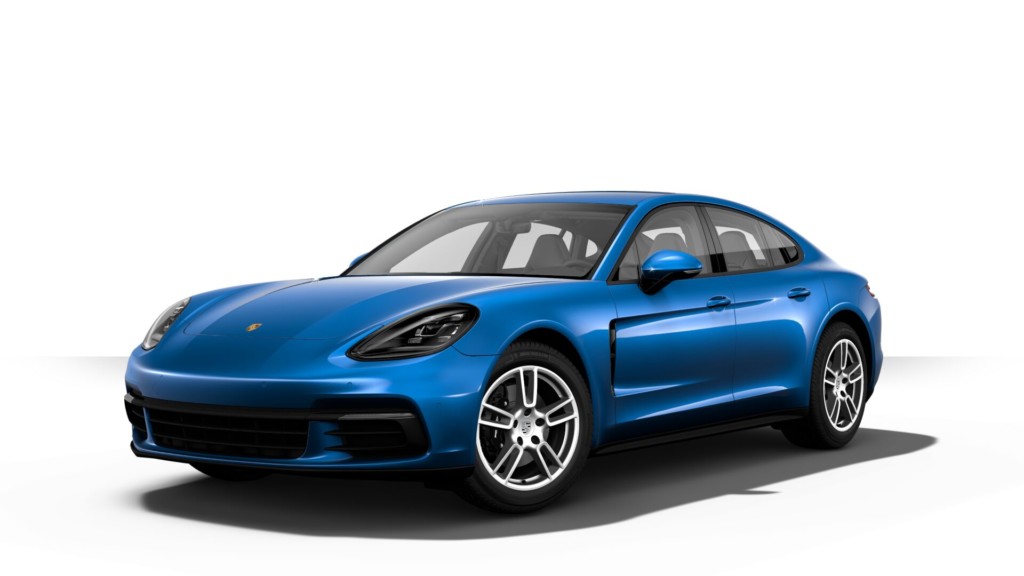
But then we thought, “Wouldn’t Sapphire Blue be a bit too attention-grabbing on a Panamera?” and “Everyone on the street would be pointing it out—‘Hey, there’s that blue Panamera!’” So in the end, we went with navy blue. (-_-)
Still, if I ever buy a Porsche of my own, I’d love to choose a bright red one.
このブログが気に入ったらフォローしてね!
Comment ( 0 )
Trackbacks are closed.
No comments yet.