

Porsche’s Third Annual General Meeting: A More Realistic Approach to Electrification and the Future Model Lineup
公開日:

コンテンツ
Porsche Takes a More Realistic Approach to Its Electrification Strategy
On May 21, 2025, Porsche AG’s third Annual General Meeting, held in Stuttgart, marked an important turning point in the company’s strategy for the future.
CEO Oliver Blume made clear that Porsche is accepting the reality that the transition to electric mobility is taking longer than originally planned—and will significantly adjust its product strategy as a result.
“Going forward, Porsche will continue to offer a balanced mix of powertrains. Until the mid-2030s, customers will be able to choose between combustion engines, hybrids, and fully electric powertrains in every vehicle segment.” Blume’s statement signals a clear shift from the company’s previously aggressive approach to electrification.
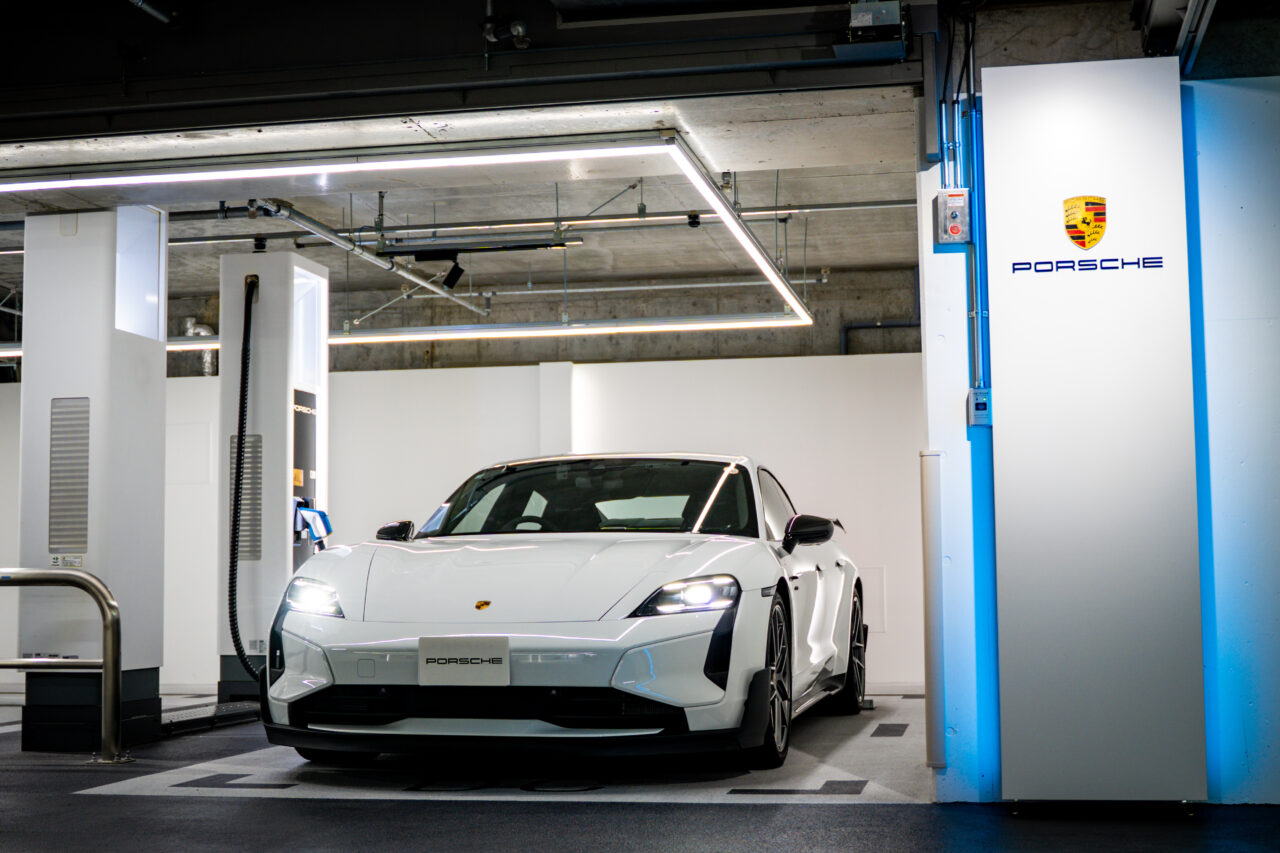
The announcement appears to reflect Porsche’s measured assessment of global market trends and customer needs. The company originally set an ambitious target of making more than 80% of new-car sales electric by 2030, but in reality, the transition to EVs is progressing more slowly than expected. Porsche’s target for the BEV (battery-electric vehicle) share of sales in 2025 has also been set at a more modest 20–22%, reflecting current market conditions.
Keeping Combustion Engines and Hybrids in the Lineup—and Expanding the Portfolio
At the heart of the new strategy outlined at the AGM is the addition of models with combustion engines and plug-in hybrid powertrains.
While maintaining its long-term direction toward electrification, Porsche has made clear that it intends to offer three powertrain choices—combustion, hybrid, and fully electric—in every vehicle segment until the mid-2030s. It’s a pragmatic way to meet a wide range of customer needs while preserving the performance that lies at the heart of Porsche’s DNA. For iconic models like the 911 in particular, demand remains strong among customers who value the character of a combustion engine, making its continued availability essential.
Expanding the product portfolio will require additional investment, affecting Porsche’s 2025 financial outlook. However, Blume said, “In the short term, this will require more resources, but in the long term, it will make us even more profitable,” expressing confidence that the investment will improve the company’s future profitability.
Rethinking Battery Strategy and the Financial Impact
Alongside its revised electrification plans, Porsche announced a strategic realignment of its battery operations. Reassessing the production of high-performance batteries reflects the reality that the EV market is growing more slowly than originally anticipated.
The strategic reorganization, together with related changes to product and corporate plans, is expected to result in a total of €1.3 billion in special expenses in 2025. This will weigh significantly on short-term results, and Porsche has lowered its financial outlook for the year.
| Metric | 2025 Forecast |
|---|---|
| Group sales revenue | €37–38 billion |
| Group operating return on sales | 6.5%–8.5% |
| Automotive net cash flow margin | 4%–6% |
| Automotive EBITDA margin | 16.5%–18.5% |
| BEV (battery-electric vehicle) share | 20%–22% |
Blume explained, “This will have a noticeable impact on our earnings, but it is necessary to ensure Porsche remains robust and highly profitable.” It’s a strategic decision that accepts short-term pain in order to secure long-term profitability.
Strengthening and Refreshing the Sports Car Lineup
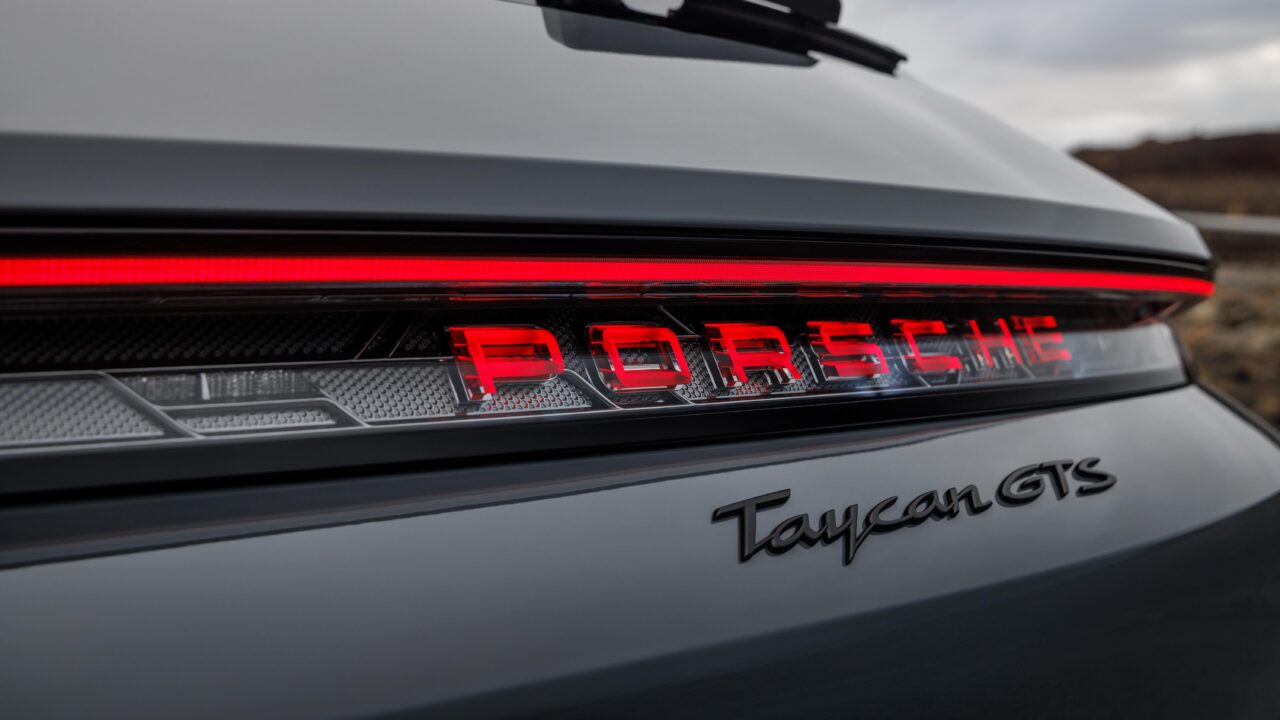
At the AGM, Blume said Porsche would “raise the bar further in the sports car segment,” highlighting plans to strengthen the heart of the brand’s lineup. While no specific models or detailed plans were announced, the remarks point to a clear intent to reinforce Porsche’s identity as a sports car maker.
Porsche reported the following sales figures for 2024:
- Cayenne: 102,889 units
- Macan: 82,795 units
- 911: 50,941 units
SUV sales remain strong, while the iconic 911 continues to post steady numbers. Blume noted, “Since December 2023, we have renewed five of our six model lines and comprehensively refreshed our product portfolio. This has laid the foundation for success over the coming years.” The lineup renewal is already well underway.
Two particularly noteworthy additions are the all-new second-generation Macan EV and the new Cayenne. The Macan EV is Porsche’s first series-production SUV developed as a fully electric vehicle and is a key model in the company’s electrification strategy. The Cayenne, meanwhile, will continue to be offered with hybrid and combustion powertrains, making it a clear example of Porsche’s strategy to serve a diverse range of customers.
A New Generation of Leaders and a Vision for the Future
The AGM also addressed planned generational changes within Porsche AG’s Executive Board. During 2025, a relatively young generation of leaders, aged 45 to 60, is expected to take up key positions, refreshing the company’s leadership as it adapts to a changing automotive industry.
Dr. Wolfgang Porsche, Chairman of the Supervisory Board, said, “The automotive industry remains in a challenging situation, and Porsche cannot escape its effects. At the same time, our brand continues to have great appeal.” His remarks affirmed his confidence in Porsche’s brand strength, even in a difficult market.
What to Expect from Porsche’s Future Lineup
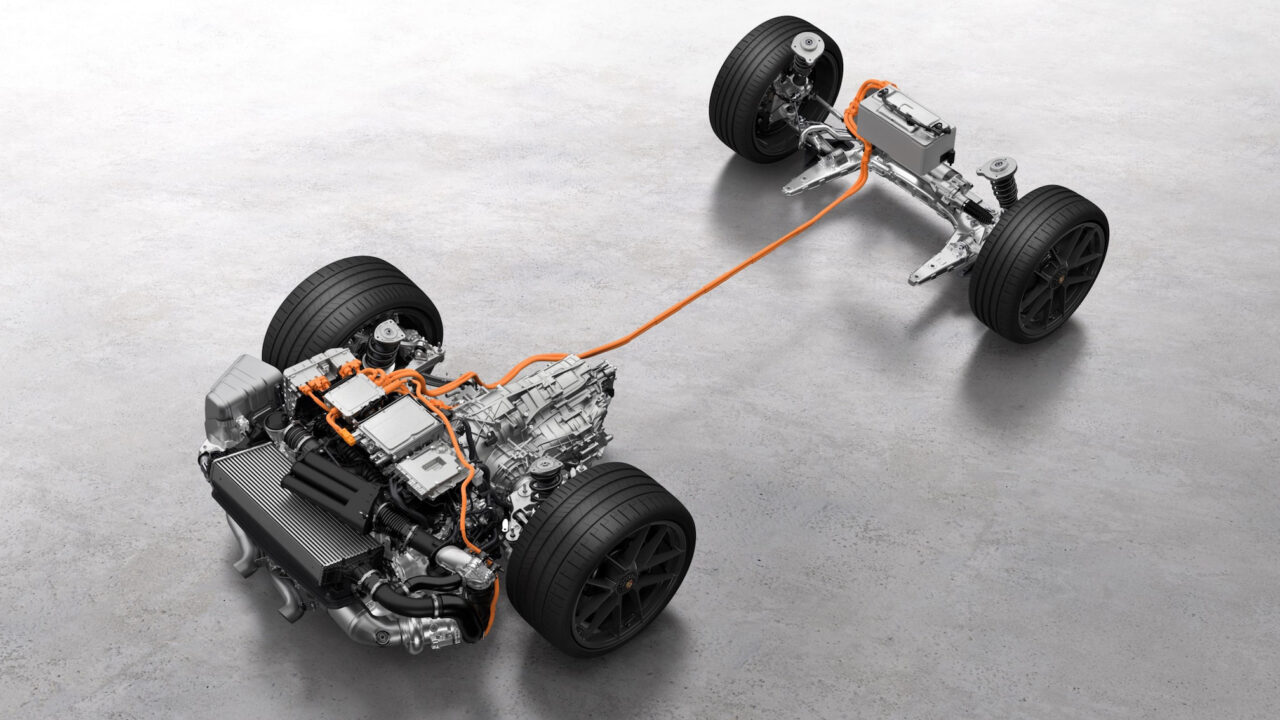
The message behind Porsche’s new strategy is clear: rather than going all-in on electrification, the company is taking a pragmatic approach built around three balanced powertrain options: combustion engines, hybrids, and EVs. That shift will likely be welcome news for Porsche fans. For owners who love the visceral sound and direct feel of a combustion-powered Porsche, the prospect of those models remaining in the lineup until the mid-2030s is significant.
Here are the key points of Porsche’s strategy going forward:
- Three-pillar strategy: Offer combustion, hybrid, and EV powertrains in every vehicle segment until the mid-2030s
- Expanded product portfolio: Add combustion-engine models and models equipped with plug-in hybrid systems
- Rethinking battery strategy: Reassess high-performance battery production in light of market conditions
- Strengthening the sports car segment: Raise the bar further for the sports cars that define Porsche’s identity
That said, Porsche hasn’t abandoned its commitment to electrification. Development of EVs will continue across other model lines following the Macan EV. Porsche’s strength lies in pursuing what makes a car unmistakably Porsche, whatever the powertrain. The goal remains the same: deliver the driving thrills and performance of a sports car, even in an EV.
“We live in a changed world. We are experiencing a severe storm. But we are doing everything we can to counter it,” Blume said. His words capture Porsche’s resolve to adapt to a changing world while holding on to its identity as a sports car maker. We’ll be watching closely to see how the Porsche lineup evolves—and how the meaning of “Porsche DNA” continues to develop.
このブログが気に入ったらフォローしてね!
Comment ( 0 )
Trackbacks are closed.
No comments yet.