

Porsche Rules Out an F1 Return: The Iconic Brand’s Clear Position and Why
Published: 2024.08.20

コンテンツ
Porsche’s F1 Plans—and Why the Brand Walked Away
Porsche has explored the possibility of entering Formula 1 for many years.
Talks with Red Bull Racing gained momentum in 2022, with a major proposal reportedly involving Porsche acquiring a 50% stake in Red Bull’s F1 team and power unit division. However, negotiations between the two companies broke down in September 2022. Red Bull team principal Christian Horner cited a “difference in direction between the two brands.”
Red Bull later announced a partnership with Ford starting in the 2026 season. Meanwhile, Audi—like Porsche, part of the Volkswagen Group—decided to enter F1 as a power unit supplier and has been moving forward with its acquisition of Sauber.
Now, Thomas Laudenbach, Porsche’s vice president of motorsport, has stated unequivocally that “the ambition to enter F1 is over.” This is Porsche’s first official statement on its F1 plans since the 2026 regulations were formally announced.
Laudenbach called F1 “a closed chapter for us,” making it clear that F1 is no longer on Porsche’s radar.
Porsche’s Clear Stance on Formula 1
Laudenbach reiterated Porsche’s decision, saying, “F1 is not on our agenda right now, and we won’t be putting our energy into it.” He described Porsche’s current motorsport activities as “almost a perfect fit” for the brand, signaling that the company intends to focus on its existing programs rather than pursue an F1 entry.
Formula 1 is no longer a priority for Porsche, which appears content with its current motorsport portfolio. As a result, a return to F1 looks unlikely for the foreseeable future. Porsche last supplied engines to the Footwork team more than 30 years ago.
Porsche’s Current Motorsport Strategy
Laudenbach outlined the motorsport programs Porsche is currently focused on. The company competes across a broad range of categories:
1. Customer racing: From track days and GT4 to one-make racing and professional GT racing (GT3)
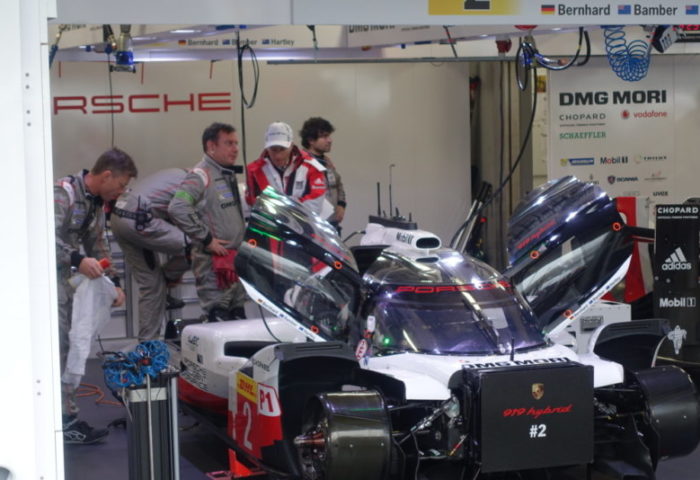
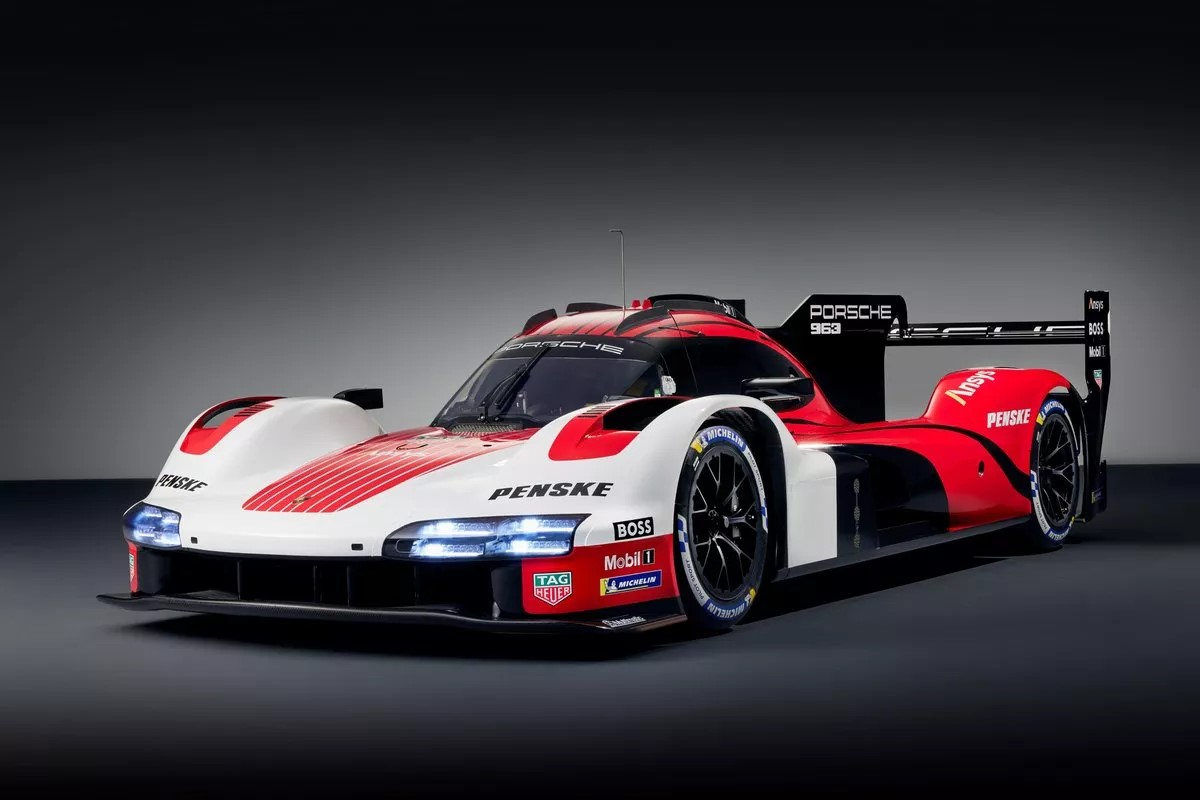
2. Endurance racing: Competing in the FIA World Endurance Championship (WEC) and IMSA SportsCar Championship with the 963 LMDh, in partnership with Penske
3. Formula E: Competing in the top-tier all-electric series as part of the brand’s electrification strategy
“We’re busy enough with what we’re doing now, and we’re very happy with it,” Laudenbach said, emphasizing that Porsche sees no need to pursue an F1 entry.
What Porsche’s F1 Decision Means for Motorsport’s Future
Porsche’s decision to rule out an F1 entry is likely to make an impact across the motorsport world. With a storied manufacturer opting not to join the grid, the competitive landscape and direction of technical development in F1 may be affected.
At the same time, Porsche could achieve even more by investing further in its existing programs, including GT racing, endurance racing, and electric motorsport. Its Formula E campaign is closely tied to the company’s electrification strategy and is expected to remain an important part of its plans.
With Porsche closing the door on F1, motorsport fans will be watching to see what the brand achieves in other series—and how it continues to drive innovation. The decision may also prompt a renewed appreciation of the value of motorsport beyond Formula 1.
Finally, it will be worth watching whether Porsche’s choice influences other automakers considering an F1 entry. The series is always looking to attract new participants, and Porsche’s decision could factor into other manufacturers’ calculations. The future of F1—and the wider automotive industry’s motorsport strategies—will be well worth following.
If you enjoy this blog, follow along.
Comment ( 0 )
Trackbacks are closed.
No comments yet.