

How Does the Porsche 911 Targa 4 GTS Compare Across the 991 Generations?
公開日:2020.03.26
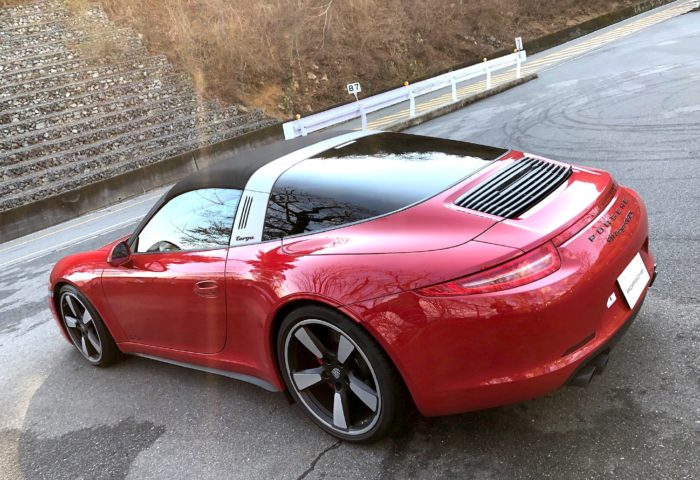

My husband recently had the chance to drive an acquaintance’s Porsche 911 Targa 4 GTS, and he’s written up his impressions. The 911 Targa was a car I once dreamed of owning, so I hope you enjoy reading his take.
Behind the Wheel of the 911 Targa 4 GTS
The other day, I had the opportunity to drive an early 991.1 Targa 4 GTS, albeit briefly. Around the same time, I’d borrowed an acquaintance’s later 991.2 Carrera GTS and driven it for a while as my everyday car, so I’d like to compare the two.
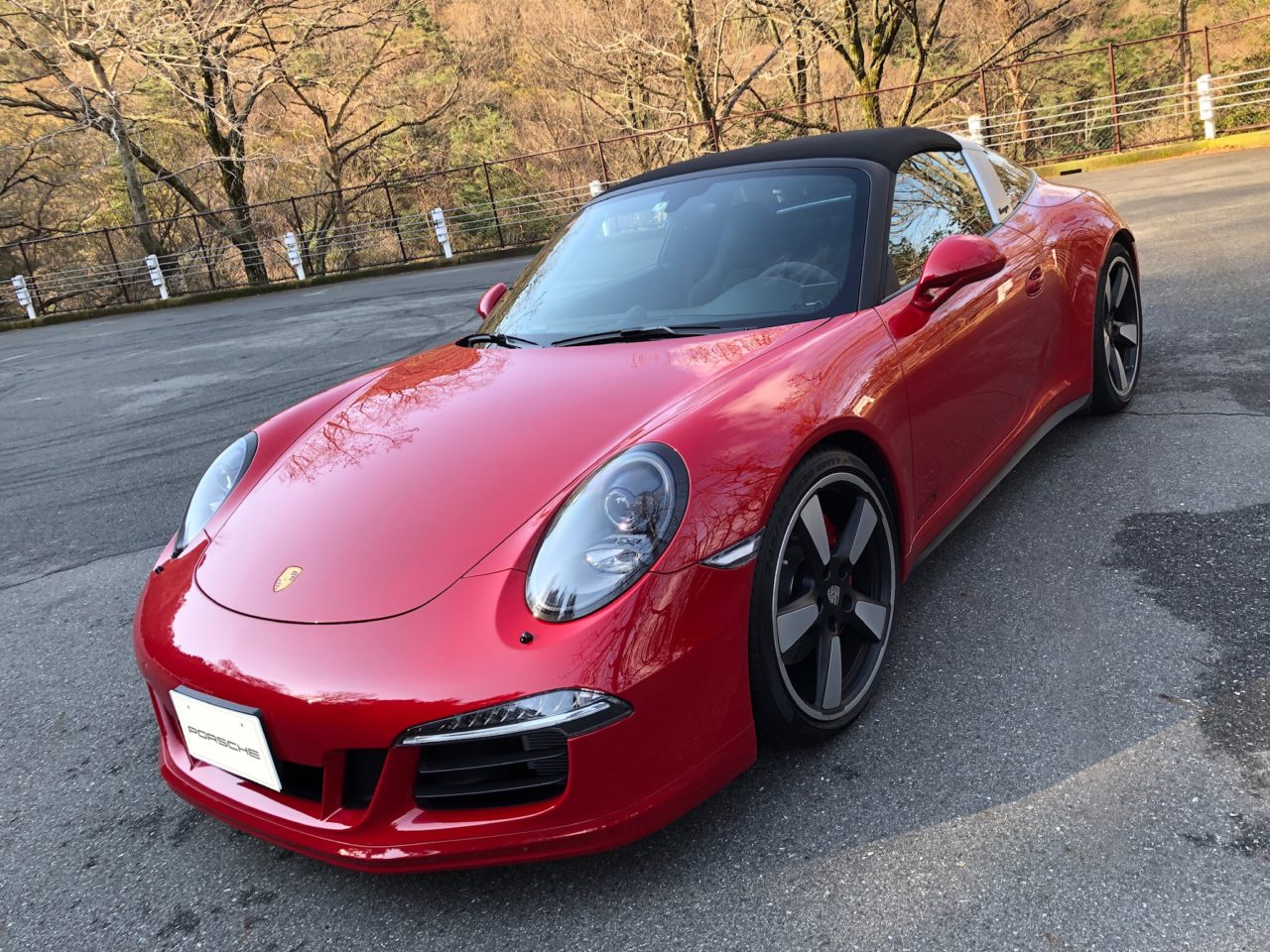
The 991.1 Targa I drove wore Carmine Red paint and was a Targa 4 GTS. Its specs include a naturally aspirated 3.8-liter flat-six producing 430 PS at 7,500 rpm, with 44.9 kg·m of torque at 5,750 rpm.
As soon as I started the engine and pulled away, my first impression was that the car felt “heavy” off the line. I think the main reason was that I’d just stepped out of the turbocharged later 991.2 GTS.
I noticed it most when pulling away and building speed through 30 and 40 km/h.
To be clear, though, that’s a relative comparison. In ordinary driving, there’s no question that this Targa 4 GTS is a powerful sports car, and very few drivers would find it lacking.
In fact, after about a minute, I’d completely adapted to it and no longer noticed any difference.
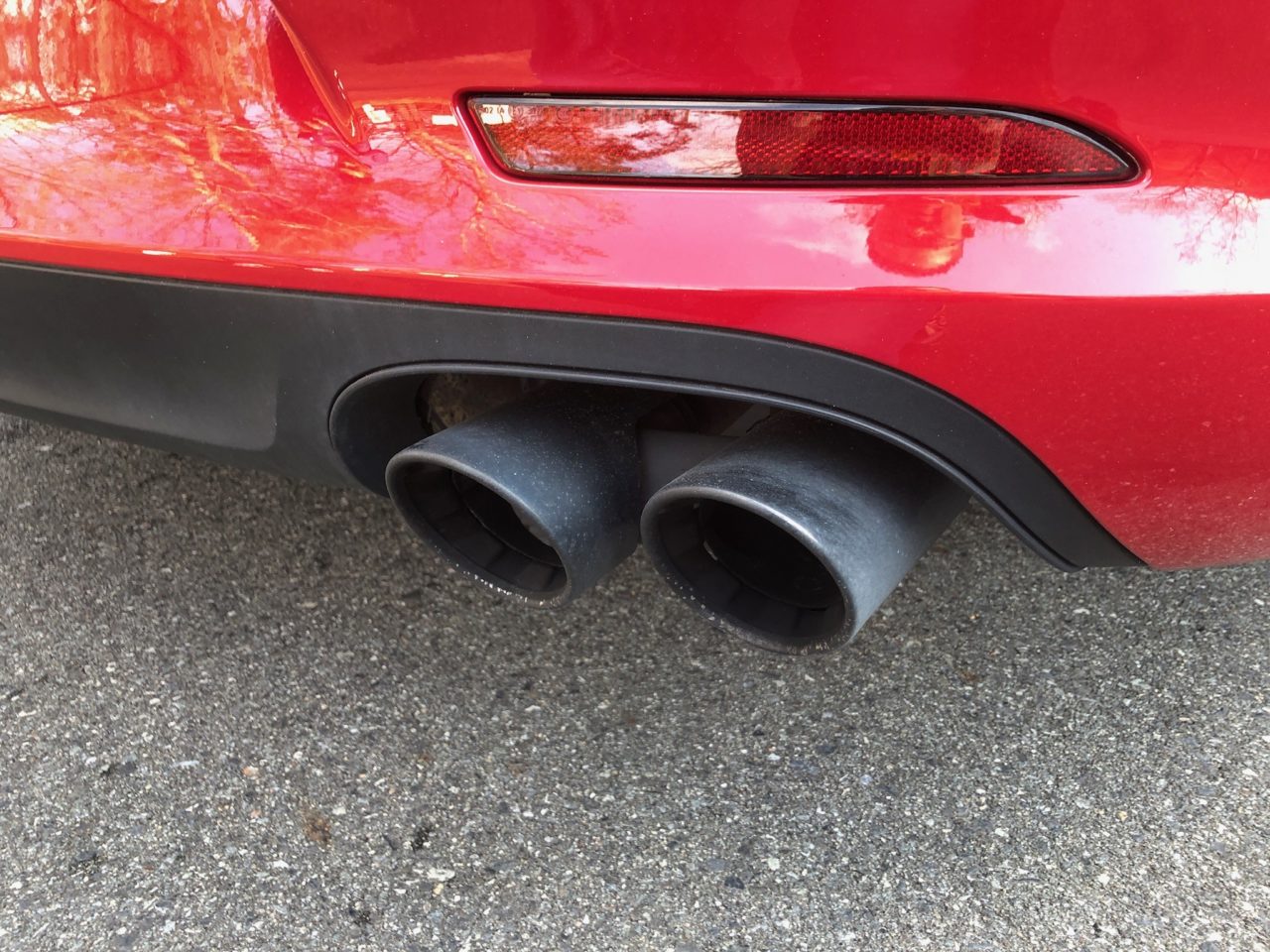
As you’d expect from a naturally aspirated engine, the power delivery feels completely different from the later model. The first thing that stands out is the sound. Its high-pitched exhaust note is an absolute pleasure.
Compared with the 981 Boxster Spyder, which uses the same engine, it isn’t quite as loud, but it still has the kind of presence you’d expect from a GTS. The GTS models from this era—whether 911, Macan, Boxster, or Cayman—all sound fantastic.
The clear, almost musical exhaust note, punctuated by the occasional theatrical afterfire pop, is pure fun.
991 GTS: Early vs. Late
When it comes to power, the later 991.2 has the edge, no question. It makes 450 PS—20 PS more than the earlier model—but the torque figures differ considerably. The later car delivers 56.1 kg·m between 2,150 and 5,000 rpm. With peak torque arriving much lower in the rev range, the difference in how much torque you feel from behind the wheel is significant.
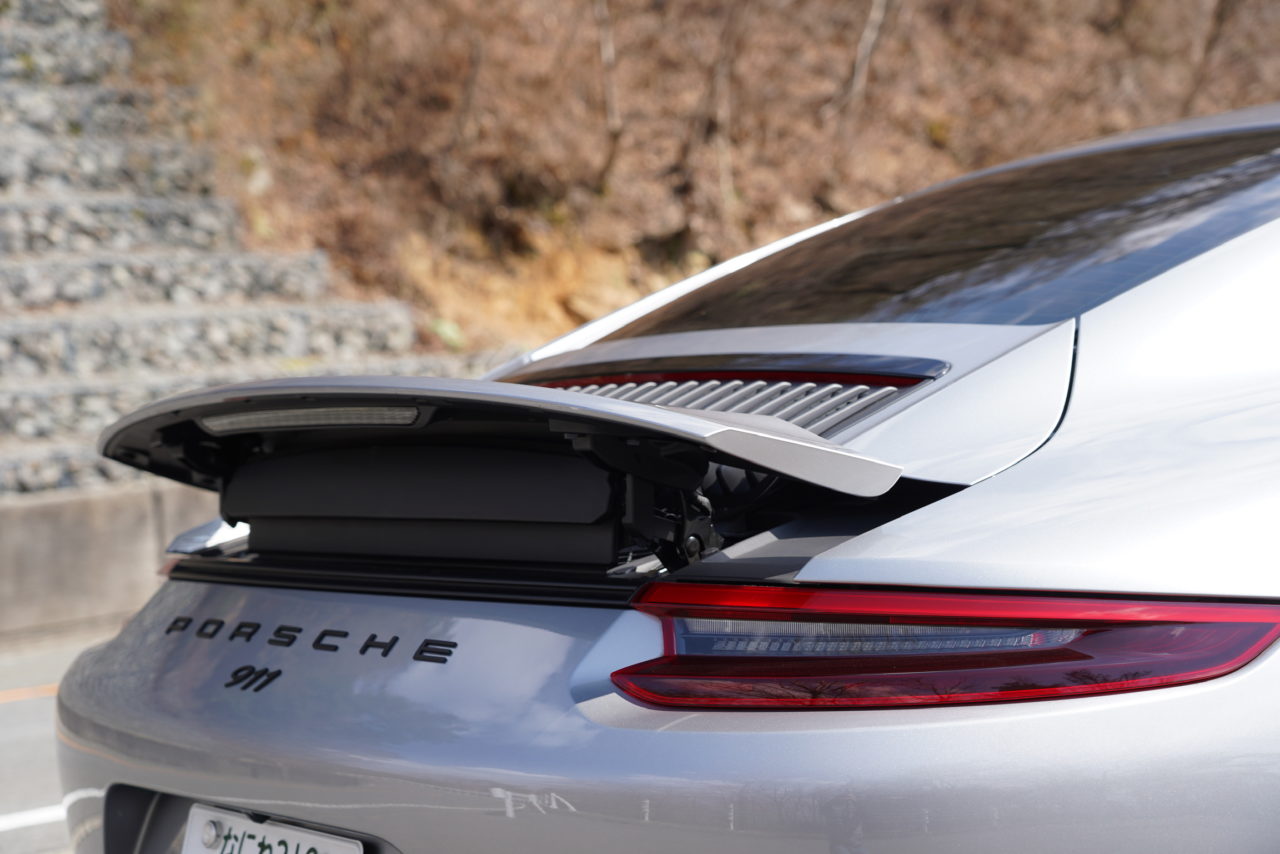
The later model delivers a strong surge of torque from low revs, while the earlier one builds its power as the revs rise. For stop-and-go city driving, the later model seems easier to drive. On the other hand, the earlier car feels more rewarding as you wind out the engine and accelerate, with a lovely, progressive build of torque. The later car is probably quicker on paper, but once the engine is spinning, the earlier one can feel faster from behind the wheel. I suspect that’s down to its high-pitched exhaust note and the way the torque builds.
The owner told me that the PDK shifts faster in the later model than in the earlier one, and faster still in the newer 992 than in the 991.2. During my brief drive, I could clearly feel the difference between the 991 and the 992, but I couldn’t pick out a major difference between the early and late 991 PDKs.
As for the chassis, this Targa 4 GTS was equipped with PDCC (Porsche Dynamic Chassis Control), and I was reminded just how much of a difference it makes. It’s an expensive option, but if your budget allows, it’s one I’d strongly consider.
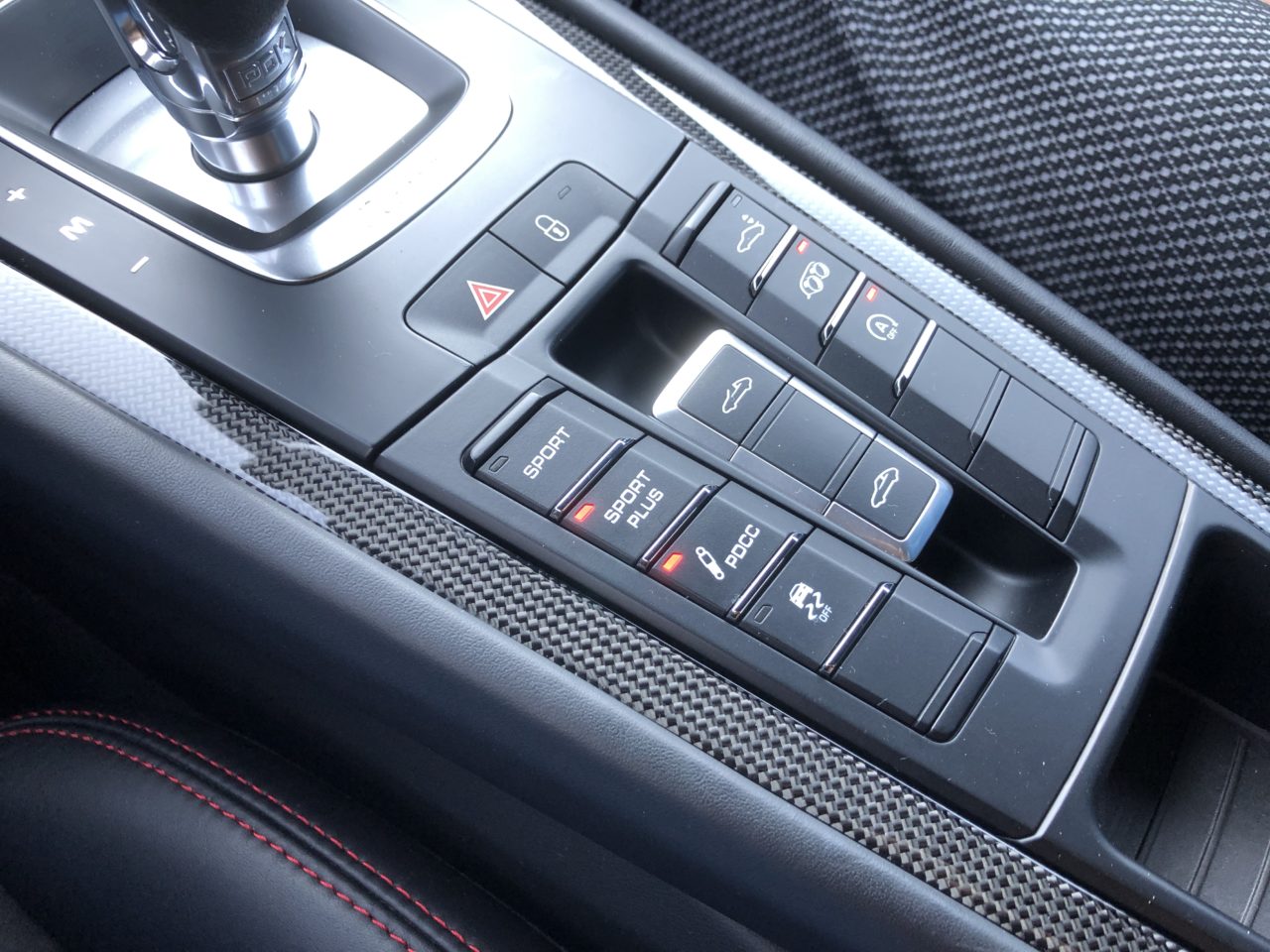
For starters, the ride is excellent: remarkably flat, with very little side-to-side movement. Through corners, body roll is kept to a minimum, giving you the sensation of sweeping through each bend with the car staying beautifully level.
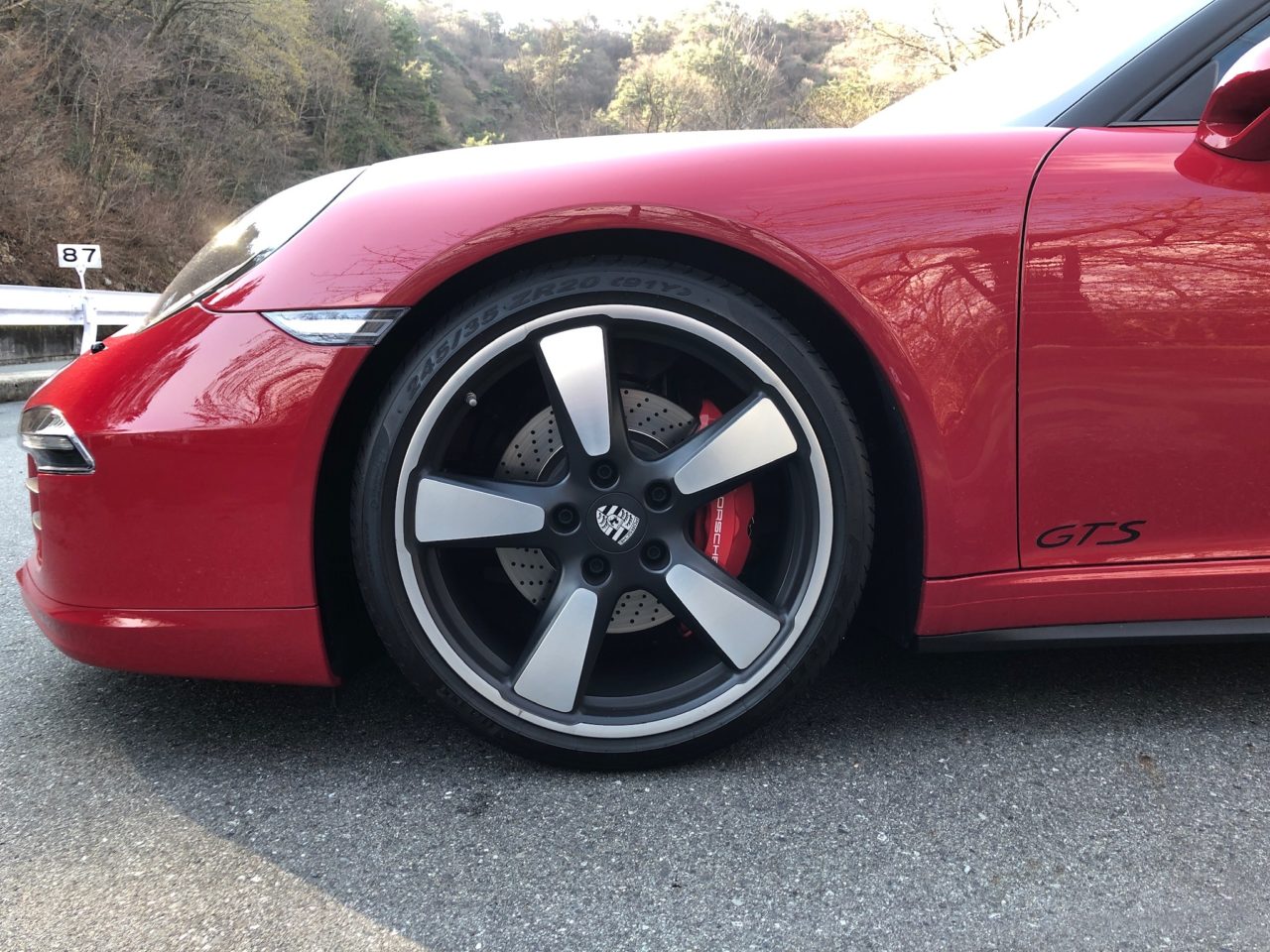
My recollection is that the later 991 has a noticeably firmer, more composed chassis than the early car, with a stronger sense of grip. But this Targa 4 GTS feels every bit as good as the later model. I suspect PDCC is playing a significant role.
The Targa’s all-wheel drive may also be a factor. It feels stable and sure-footed throughout. Even when taking a tight corner at a decent speed, the car claws its way out with all four wheels firmly planted, inspiring no fear at all.
And, of course, the Targa is a convertible. But with the roof closed, you’d never know it. The roof is so solidly built that you can completely forget it opens; there’s no hint of looseness or flex. Even when you push up on it from inside, it doesn’t give with the springiness of a soft top—it feels very sturdy.
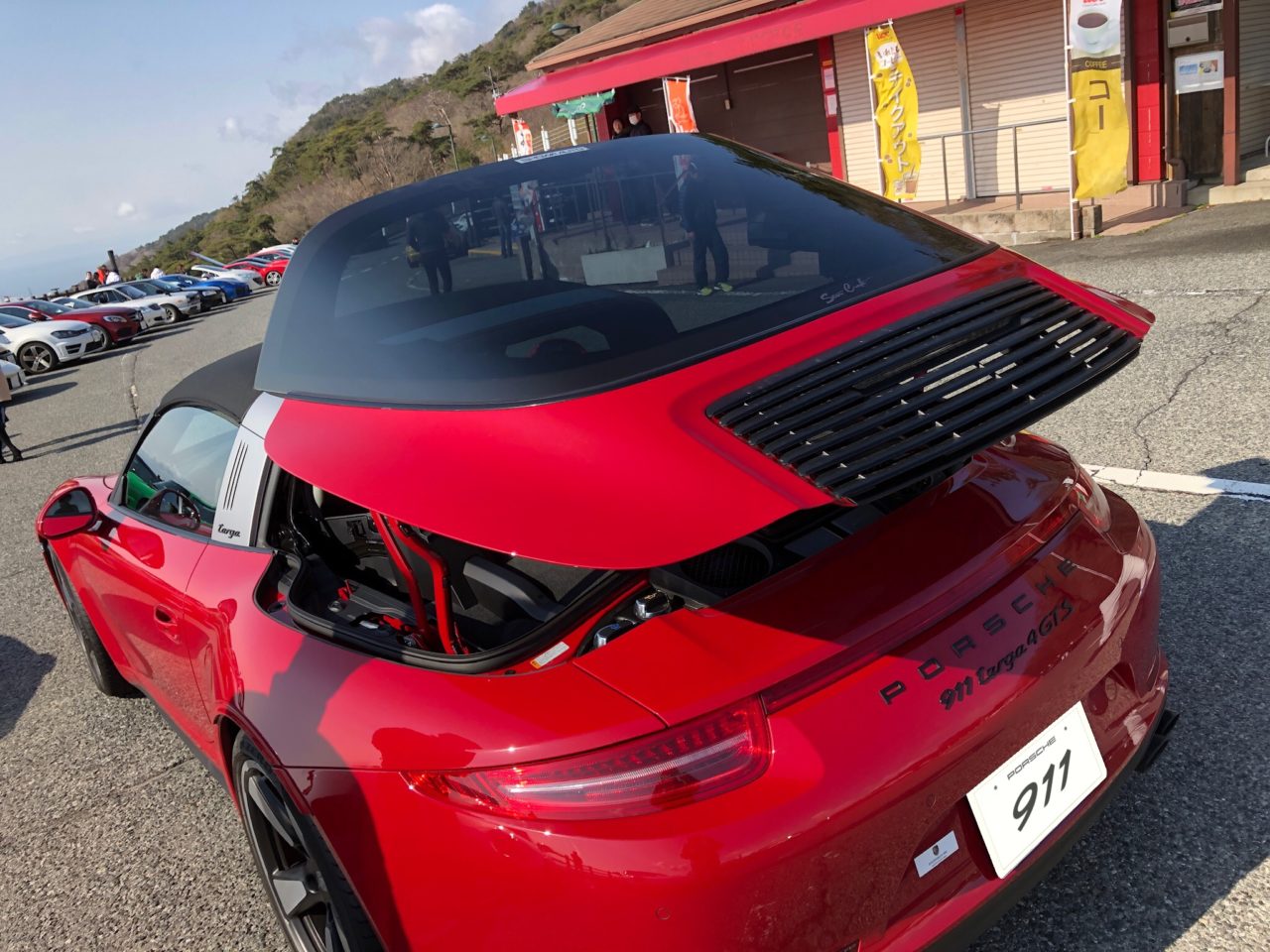
Of course, any difference in body rigidity is probably beyond what an untrained driver could detect. As for wind buffeting at speed, the owner said it gradually becomes more noticeable from around 80 km/h onward. He thought the Targa’s shape might be partly to blame, since air has fewer places to escape at the rear.
The Targa Is a Rare 911
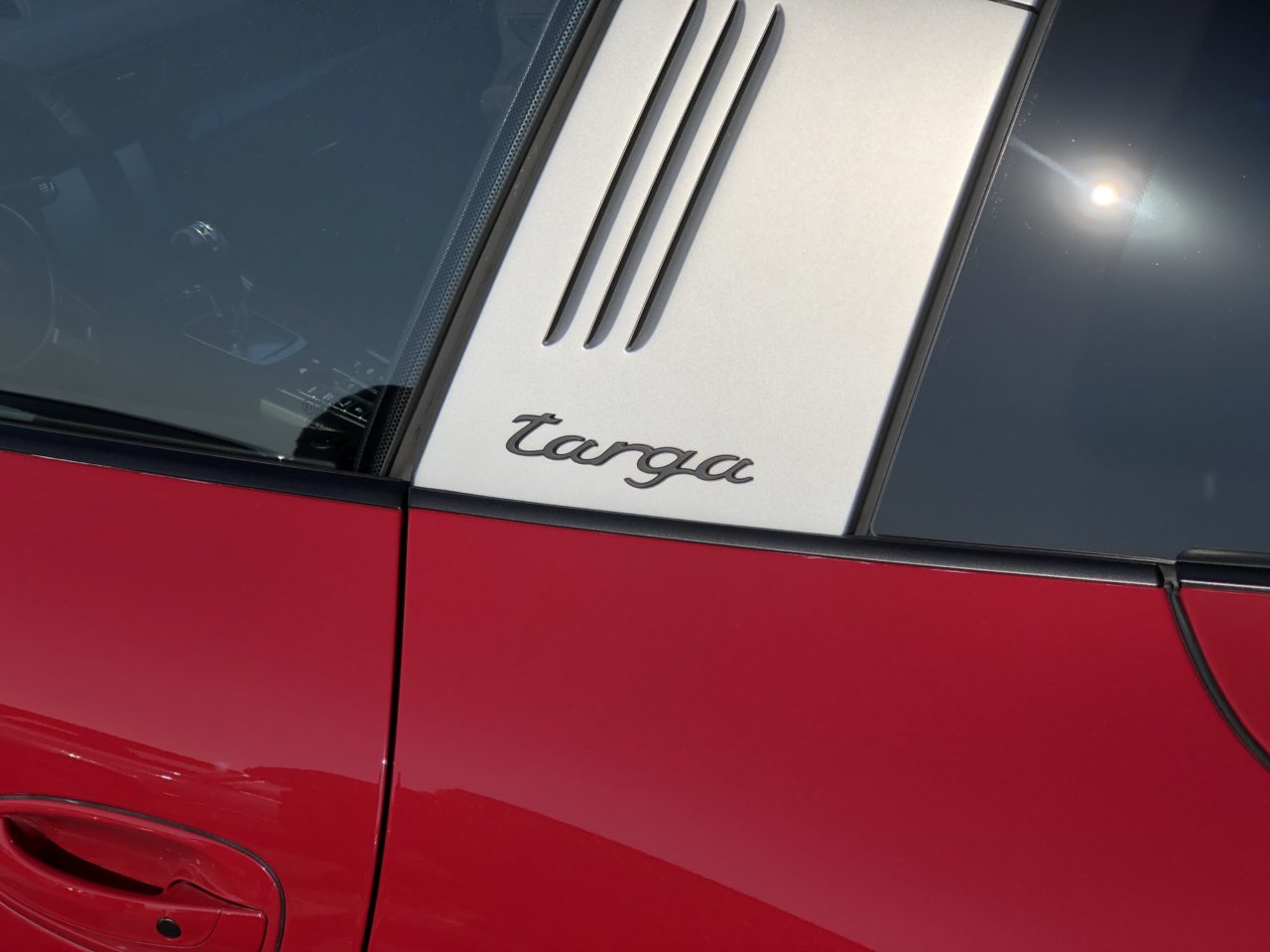
I’ve heard that Porsche builds far fewer Targas than GT3s, making the Targa one of the rarest 911 variants. This one was a GTS, making it rarer still. A huge thank-you to the owner for letting me drive such a special car—and I hope you continue to enjoy it for many years to come.
このブログが気に入ったらフォローしてね!
Comment ( 0 )
Trackbacks are closed.
No comments yet.